Loading, please wait...

Use mousewheel to zoom in and out, click to enlarge

Details

LOT 2036

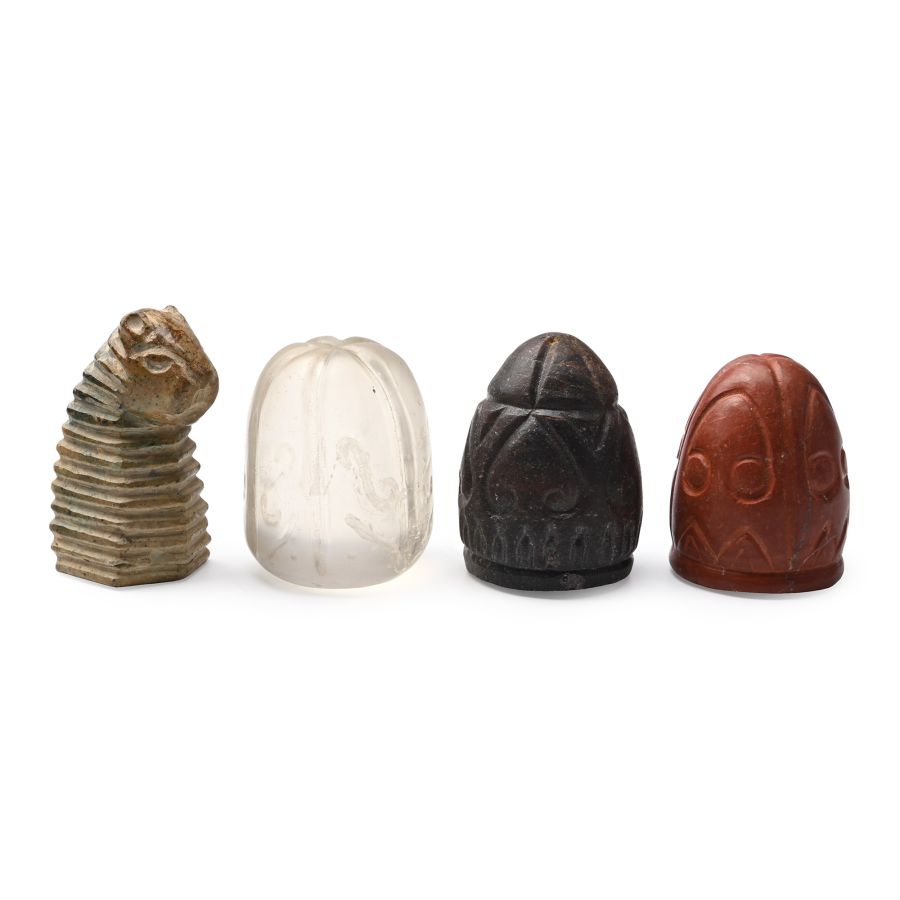
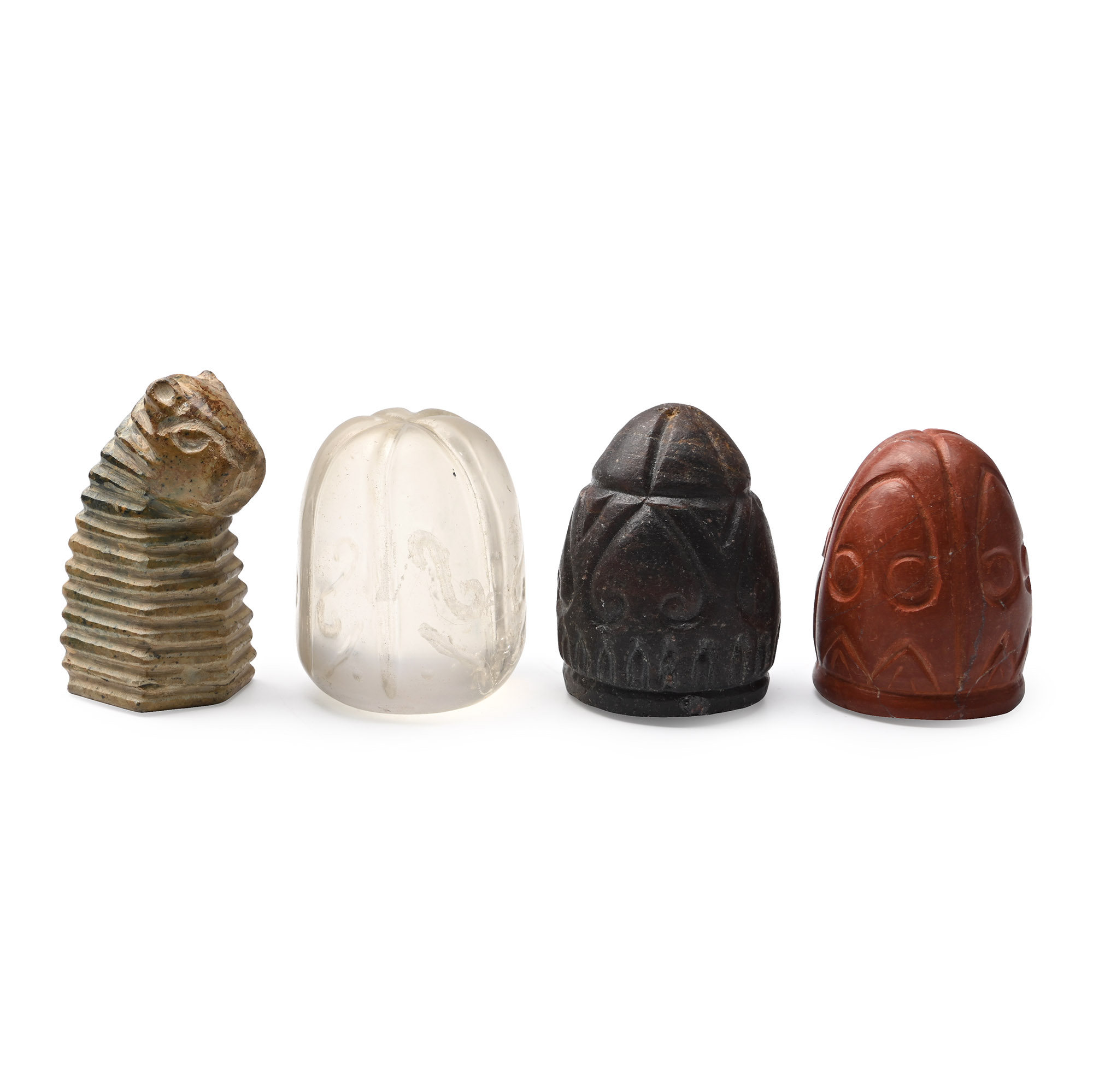
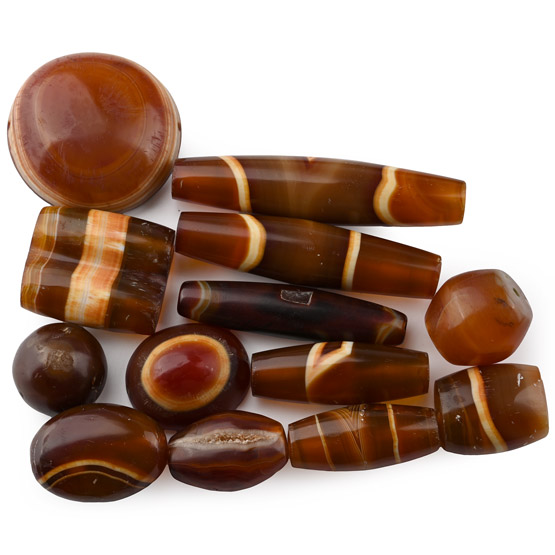
Western Asiatic Stone Gaming Piece Group

20TH CENTURY A.D.

1 1/2 - 1 7/8 in. (287 grams total, 40-48 mm).

Including pawn with stylised masks, knight with ribbed facets and other types. [4, No Reserve]

Provenance

Private collection, UK.

CONDITION

VETTING:

TimeLine Auctions follows a vetting process to ensure the authenticity and legality of all items, reinforcing our commitment to integrity and responsible trading. Each antiquity, antique, and coin lot undergoes thorough examination by a vetting committee of at least ten external specialists, professional trade association members, scientists, and archaeologists: Our Vetting Process


AUCTIONS:

TimeLine is a leading auction house specialising in antiquities, ancient art, collectables, natural history, coins, medals, and books. Our auctions offer museums, collectors, historians, and enthusiasts the opportunity to acquire unique and historically significant pieces.

LOT 2036

Western Asiatic Stone Gaming Piece Group

Sold for (Inc. bp): £33

Print page

RELATED LOTS

  • Large Post Medieval Merchant’s Seal Ring Engraved with BG and Shield
    Large Post Medieval Merchant’s Seal Ring Engraved with 'BG' and Shield
    Germany, 16th century A.D.

    Sold for (Inc. bp): £12,350

    Engraved with the owner's initials ‘B G’ above a tilting shield with flanche; merchant's mark motif of capital 'A' and a cross. 20.03 grams, 28.33 mm overall, 23.00 x 18.47 mm internal diameter (approximate size British T 1/2, USA 9 3/4, Europe 21.89, Japan 21)


    Private collection, Europe. Acquired on the English art market. This lot has been checked against the Interpol Database of stolen works of art and is accompanied by a search certificate number no.13051-248349.

    Merchants' marks were chosen by their owners as a form of personal cypher, and so it is almost impossible to decipher the owner of many merchants' marks, as they were not governed by the strict regulation and recording that heraldry laws dictated. Merchants' rings were engraved with geometric symbols used to mark their goods or personal belongings and used instead of a coat of arms for those not entitled to them. Most merchants in the sixteenth and seventeenth centuries had marks, easily identifiable and formed with a few strokes. Many such rings also bear religious or talismanic inscriptions or imagery, combining a spiritual with a commercial function. The shape of the shield on this example draws direct parallels to the heraldic shields and jewels of this period in Germany.

    Lot Details

  • Post Medieval Mirror with Centaur Kitovras
    Post Medieval Mirror with Centaur 'Kitovras'
    16th-17th century A.D.

    Sold for (Inc. bp): £910

    Discoid with ribbed border and central raised pellet, motif of a winged centaur holding a square shield and a staff(?), foliage motif to the background; pierced three times to the rim. 153 grams, 10.1 cm


    From the private collection of a London gentleman, from his grandfather's collection formed before the early 1970s.

    This version of a centaur was known as ‘kitovras’, an old Russian version of the word ‘kentauros’. He is typically portrayed with the body of a horse and the torso and head of a man, often featuring prominent wings and wearing armour. Kitovras is best known from a legend, ‘The Tale of Solomon and Kitovras’, in which he is tricked into building the temple for King Solomon. While held in captivity, Kitovras tells Solomon how to obtain the stone needed to build the temple and stays with him through its completion. When Solomon doubts Kitovras’ strength, Kitovras throws him to the edge of the Promised Land, but the king eventually returns and takes back the throne.

    Lot Details

  • Cylinder Seal Electrotype Group
    Cylinder Seal Electrotype Group
    Late 19th-early 20th century A.D.

    Sold for (Inc. bp): £130

    Of academic interest, copper-coated lead seal impressions including presentation scenes, combat scenes, court scenes and others; some with cuneiform text. 250 grams total, 36-46 mm


    Possibly made by the British Museum. From a West Country, UK, private collection.

    Lot Details

Stay up-to-date with the latest from TimeLine Auctions by joining our mailing list