
Loading, please wait...
LOT 1430
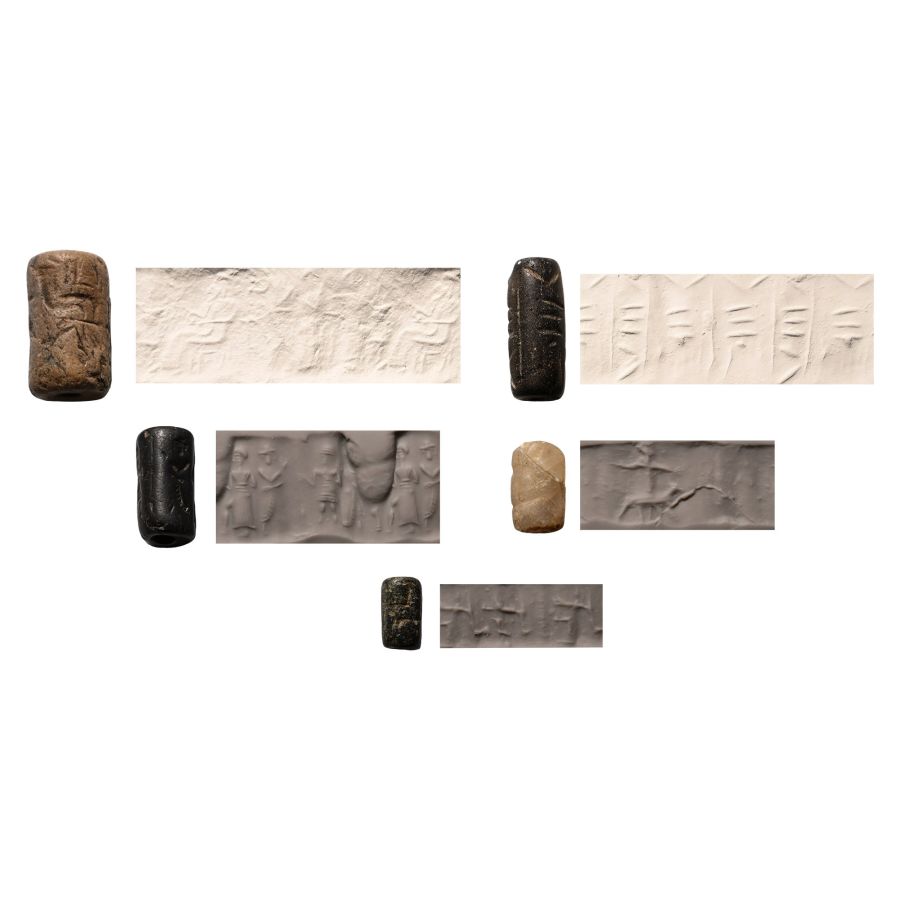
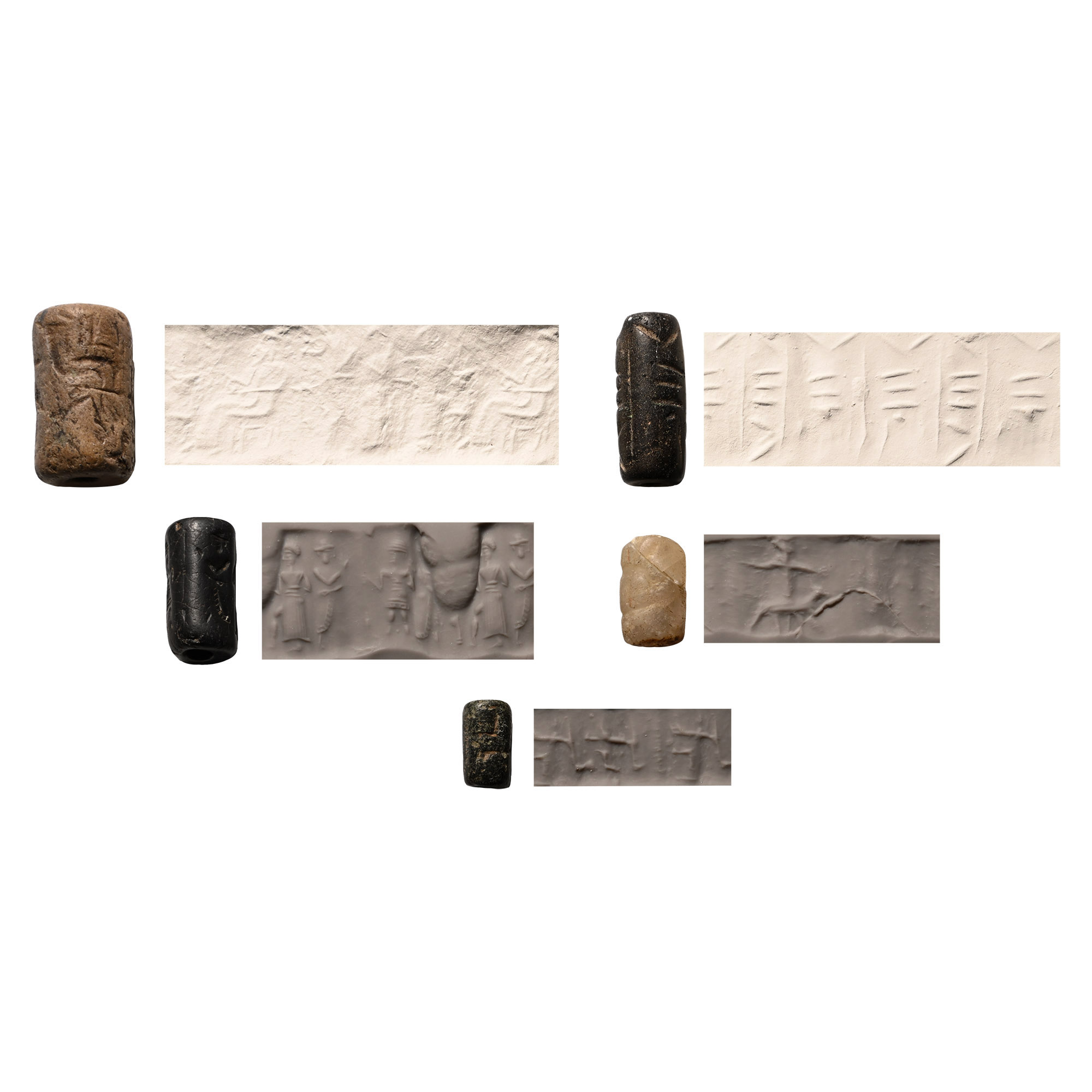
Western Asiatic Stone Cylinder Seal Group
2ND-1ST MILLENNIUM B.C.
1/2 - 1 in. (16.57 grams total, 12-24 mm).
Comprising: a dark grey steatite seal with two standing creatures with two smaller creatures above them; a hematite seal with a Syrian man wearing a short skirt, a man with curly hair holding a staff, an adorant in a Syrian skirt and a man wearing a pleated skirt; a light grey quartz seal with a figure with outstretched arms riding a beast; a steatite seal with vertical registers; a steatite seal with a seated figure and standing attendants; supplied with museum-quality impressions. [5, No Reserve]
ProvenanceFrom the private collection of a European gentleman (1942-2024), formed since the 1970s.
Accompanied by previous typed catalogue slips with collection nos.29,39,59,70, and one handwritten note.
Cf. a seal with similar patterns in Buchanan, B., Early Near Eastern Seals in the Yale Babylonian Collection, New Yale and London, 1981, no.231.
CONDITIONTimeLine Auctions follows a vetting process to ensure the authenticity and legality of all items, reinforcing our commitment to integrity and responsible trading. Each antiquity, antique, and coin lot undergoes thorough examination by a vetting committee of at least ten external specialists, professional trade association members, scientists, and archaeologists: Our Vetting Process
AUCTIONS:
TimeLine is a leading auction house specialising in antiquities, ancient art, collectables, natural history, coins, medals, and books. Our auctions offer museums, collectors, historians, and enthusiasts the opportunity to acquire unique and historically significant pieces.
-
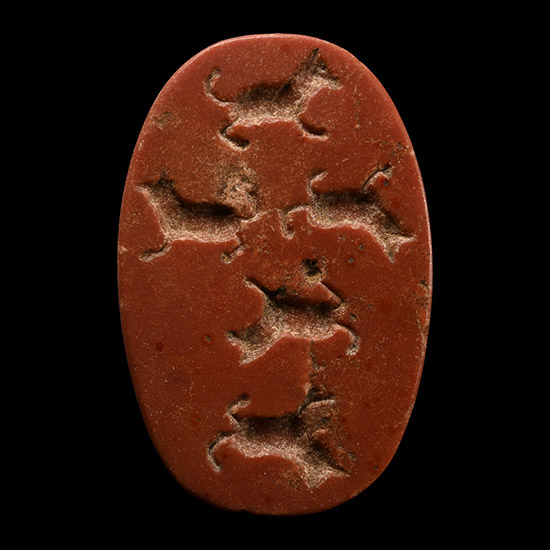
Large Akkadian Red Jasper Seal
Circa 2200 B.C.Sold for (Inc. bp): £780
Plano-convex in section with incuse animal forms to the underside. 82.8 grams, 66 mm
Private collection. Acquired from a Swiss collection, 2002.
The seal shows stylistic affinity with Akkadian seals representing animals. A few scenes of daily life occur on Akkadian seals, chiefly on the small number illustrating the history of Etana and the eagle. If Akkadian, our seal can be considered very rare. -
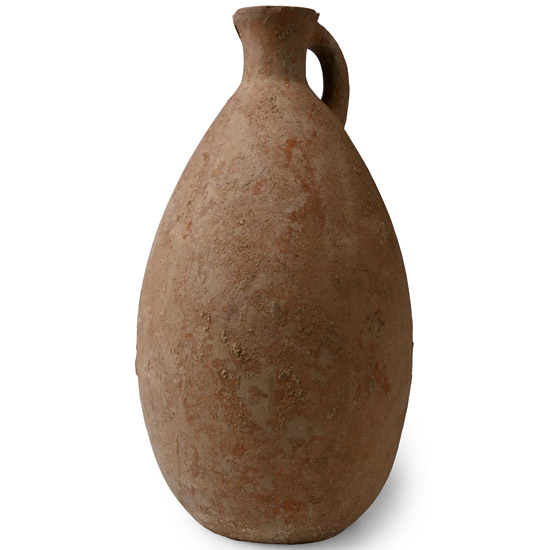
Large Western Asiatic Tall Terracotta Jug
1st millennium B.C.Sold for (Inc. bp): £260
Piriform body with a narrow trumpet-shaped neck and a small strap handle to the rear. 1.61 kg, 32.7 cm
Ex Abelita collection, 1990s. -
.jpg)
Large Western Asiatic Style Ceramic Bowl with Mythical Beast
Late 20th-21st century A.D.Sold for (Inc. bp): £26
Bell-shaped in profile with polychrome rim, incised advancing winged feline among fronds. 577 grams, 21.7 cm wide
Private collection, UK.
