
Loading, please wait...
LOT 1725
Western Asiatic Stone Cylinder Seal Group
2ND-1ST MILLENNIUM B.C.
1/2 - 7/8 in. (12.9 grams total, 12.3-21.08 mm).
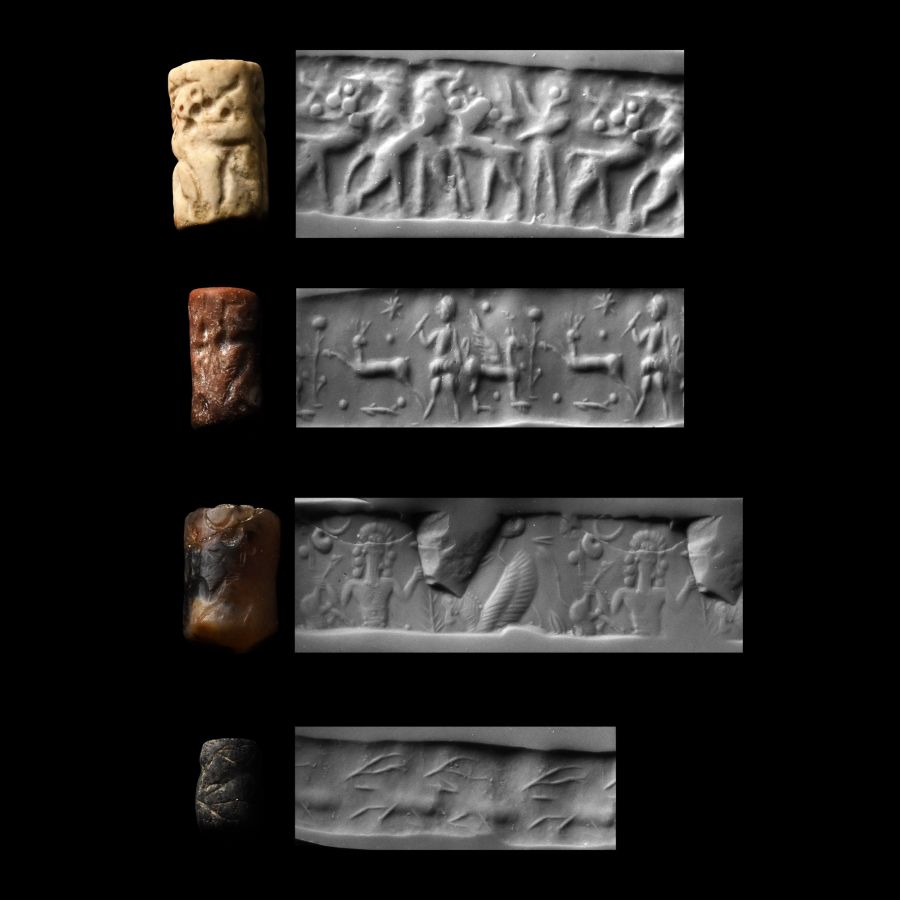
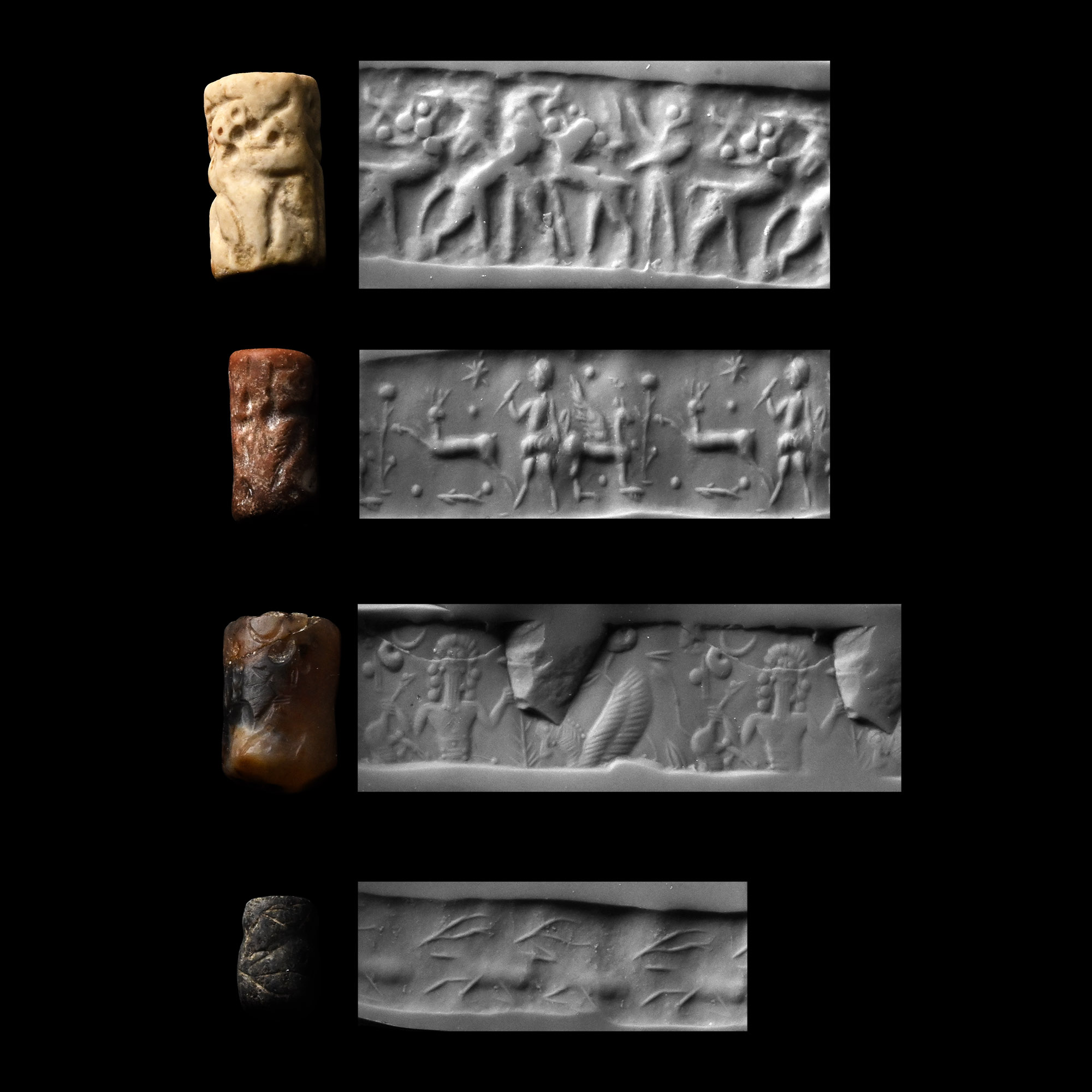
Comprising: frieze of a standing figure with rearing animals; winged beast facing a figure with pelletted headdress holding the hind leg of an ibex; figure with a staff facing towards a fleeing ibex, gryphon to his rear; row of running ibexes; each supplied with a museum-quality impression. [4, No Reserve]
ProvenanceFrom the private collection of a European gentleman (1942-2024), formed since the 1970s.
CONDITIONTimeLine Auctions follows a vetting process to ensure the authenticity and legality of all items, reinforcing our commitment to integrity and responsible trading. Each antiquity, antique, and coin lot undergoes thorough examination by a vetting committee of at least ten external specialists, professional trade association members, scientists, and archaeologists: Our Vetting Process
AUCTIONS:
TimeLine is a leading auction house specialising in antiquities, ancient art, collectables, natural history, coins, medals, and books. Our auctions offer museums, collectors, historians, and enthusiasts the opportunity to acquire unique and historically significant pieces.
-
Western Asiatic Cylinder Seal in Gold Mount
2nd-1st millennium B.C. and laterSold for (Inc. bp): £1,105
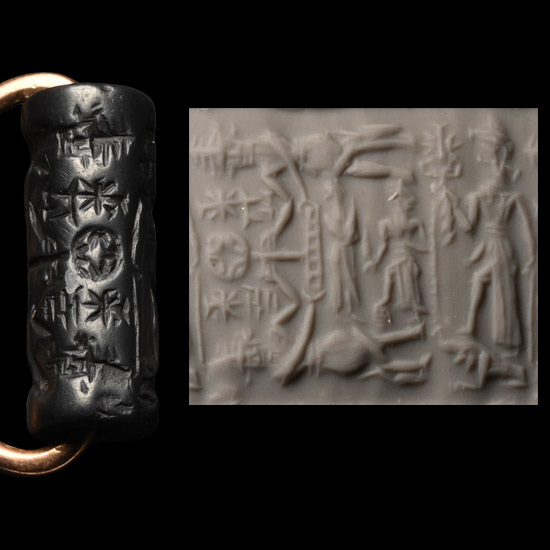
Cylindrical hematite seal showing a robed figure standing on a supplicant, and holding a long staff, symbols behind; another scene positioned vertically showing two standing figures holding an idol(?) between them; mounted on a gold loop; supplied with a museum-quality impression. 5.45 grams, 24.7 mm
From the private collection of a European gentleman (1942-2024), formed since the 1970s. -
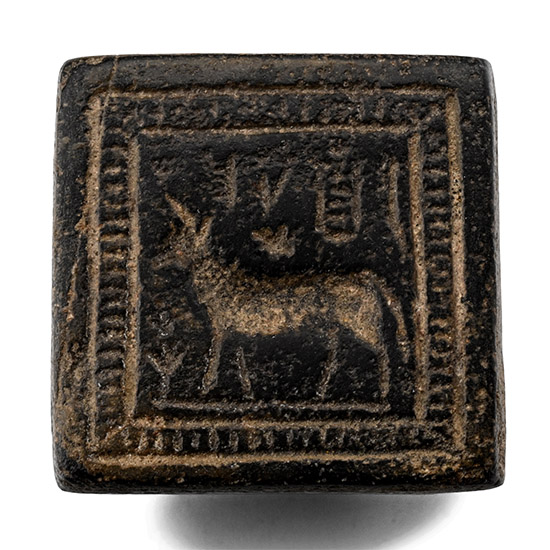
Western Asiatic Stone Stamp Seal with Inscription
1st millennium B.C.Estimate: £350 - 450 (+bp*)
Opening Bid: £180
Pierced tapering handle to reverse, billeted border enclosing profile standing bull and legend in Indus Valley script. 21.1 grams, 28 mm
From the London collection of the late Mr S.M., 1969-1999. -
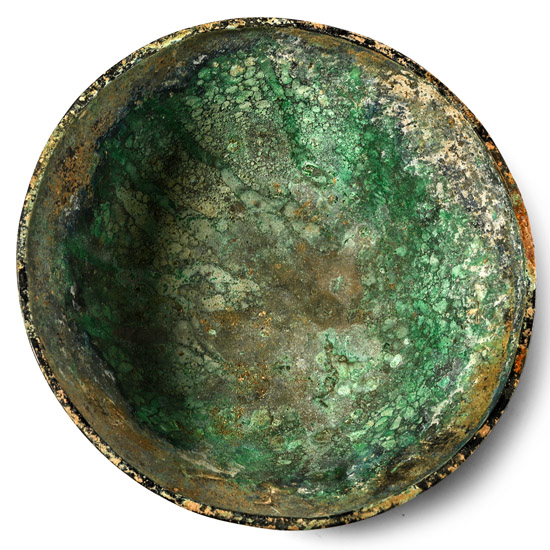
Western Asiatic Polished Bronze Bowl
Late 1st millennium B.C.Sold for (Inc. bp): £65
Conical, deep body with flattened base and thickened rim. 245 grams, 17 cm
Ex Abelita family collection, 1980s-2000s.
