
Loading, please wait...
LOT 1059
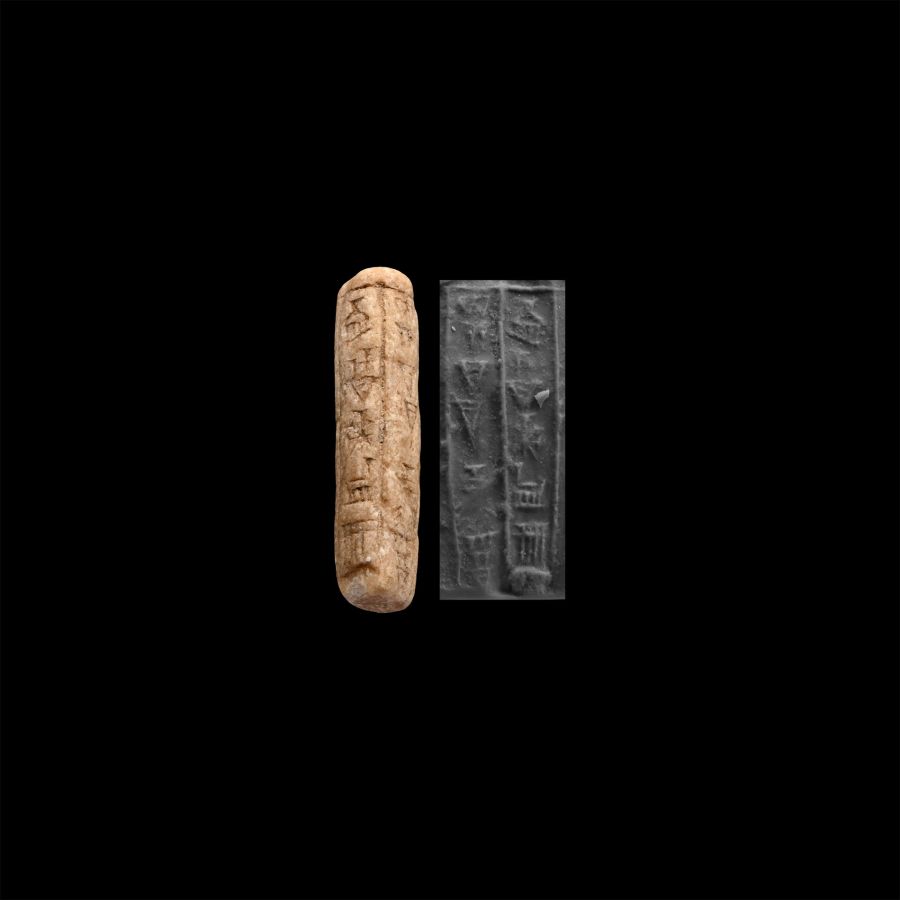
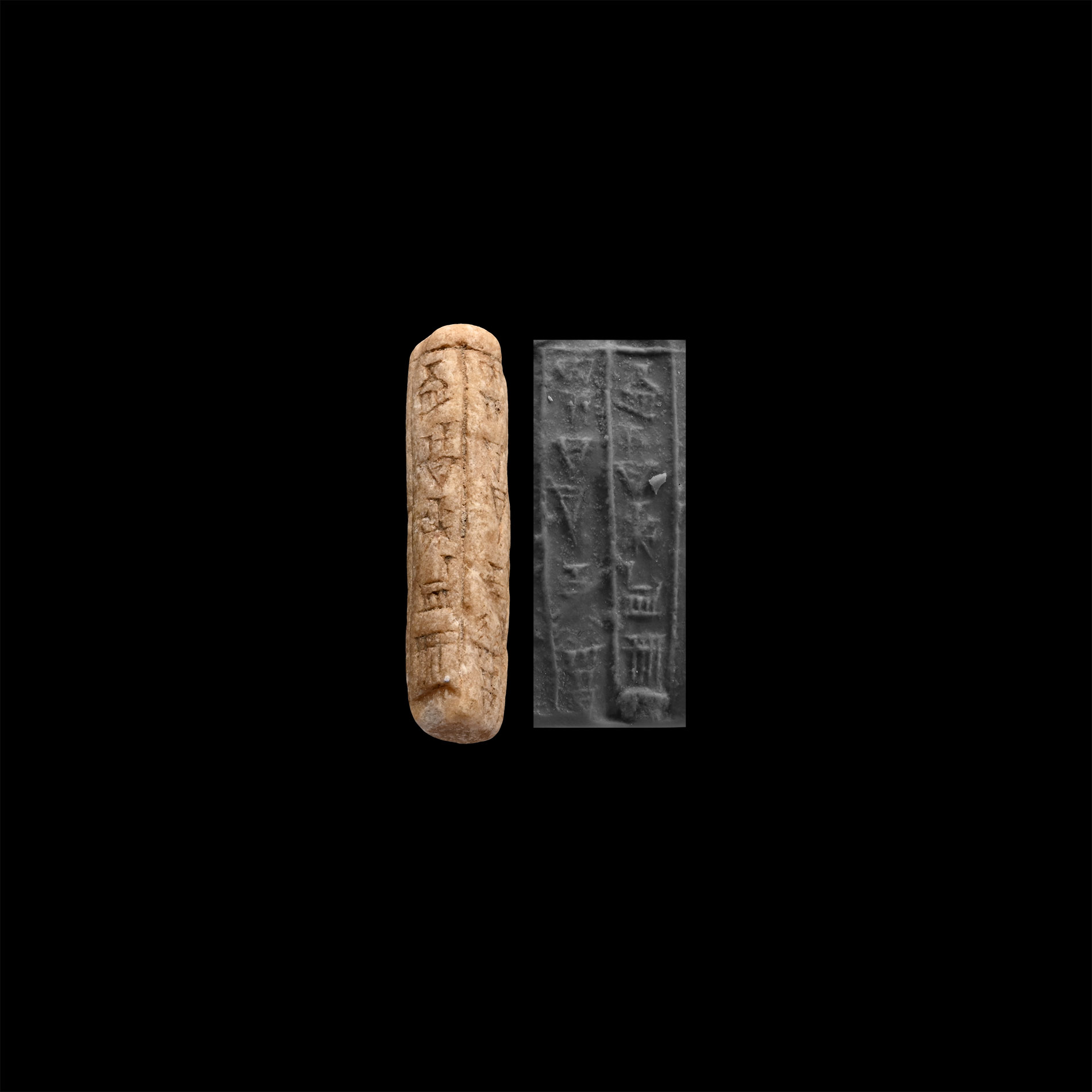
Western Asiatic Stone Cylinder Seal for Nabi-Enlil, son of Ili-zi(?)nni
CIRCA 1700 B.C.
1 3/8 in. (3.8 grams, 34 mm).
With two columns of cuneiform text, un-drilled: Nabi-Enlil, son of Ili-zi(?)nni; possibly unfinished. [No Reserve]
ProvenanceAcquired 1970s-1996.
Property of a North American collector, collection no.082.
London collection, 2016.
See Teissier, B., Ancient Near Eastern Cylinder Seals in the Marcopoli Collection, Berkeley, 1984, for discussion.
CONDITIONTimeLine Auctions follows a vetting process to ensure the authenticity and legality of all items, reinforcing our commitment to integrity and responsible trading. Each antiquity, antique, and coin lot undergoes thorough examination by a vetting committee of at least ten external specialists, professional trade association members, scientists, and archaeologists: Our Vetting Process
AUCTIONS:
TimeLine is a leading auction house specialising in antiquities, ancient art, collectables, natural history, coins, medals, and books. Our auctions offer museums, collectors, historians, and enthusiasts the opportunity to acquire unique and historically significant pieces.
LOT 1059
Western Asiatic Stone Cylinder Seal for Nabi-Enlil, son of Ili-zi(?)nni
Sold for (Inc. bp): £338
-
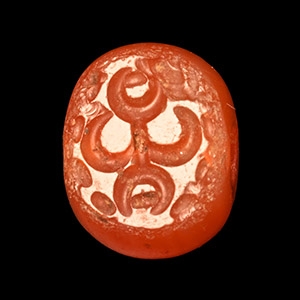
Sassanian Carnelian Stamp Seal
3rd-7th century A.D.Sold for (Inc. bp): £72
Composed of a small plano-convex body engraved with a ritualistic figure or symbol to the base; drilled for suspension. 1.19 grams, 10 mm
UK gallery, early 2000s. -
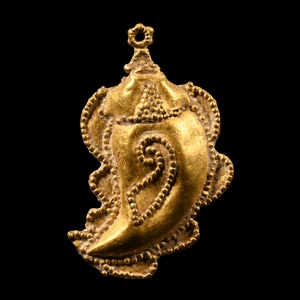
Abbasid Gold Cornucopia Pendant
Circa 9th-12th century A.D.Estimate: £400 - 600 (+bp*)
Opening Bid: £222
Stylised with flanged border and granulated decoration to both faces; suspension loop above. 5.5 grams, 34 mm
From a late Japanese specialist collector, 1970-2000s. -
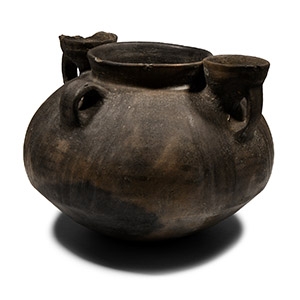
Western Asiatic Black Terracotta Ritual Vessel
1st millennium B.C.Estimate: £1,000 - 1,400 (+bp*)
Opening Bid: £400
Carinated in form with a rounded shoulder and short everted neck, two hemispherical juglets to the shoulder with pierced bases and strap handles below, one independent loop handle to the shoulder; painted black decoration to the upper body including clusters of vertical lines and vertical bands alternating with zig-zagging. 3.25 kg, 30 cm wide
London, UK, gallery, 1971-early 2000s.
