
Loading, please wait...

LOT 1266
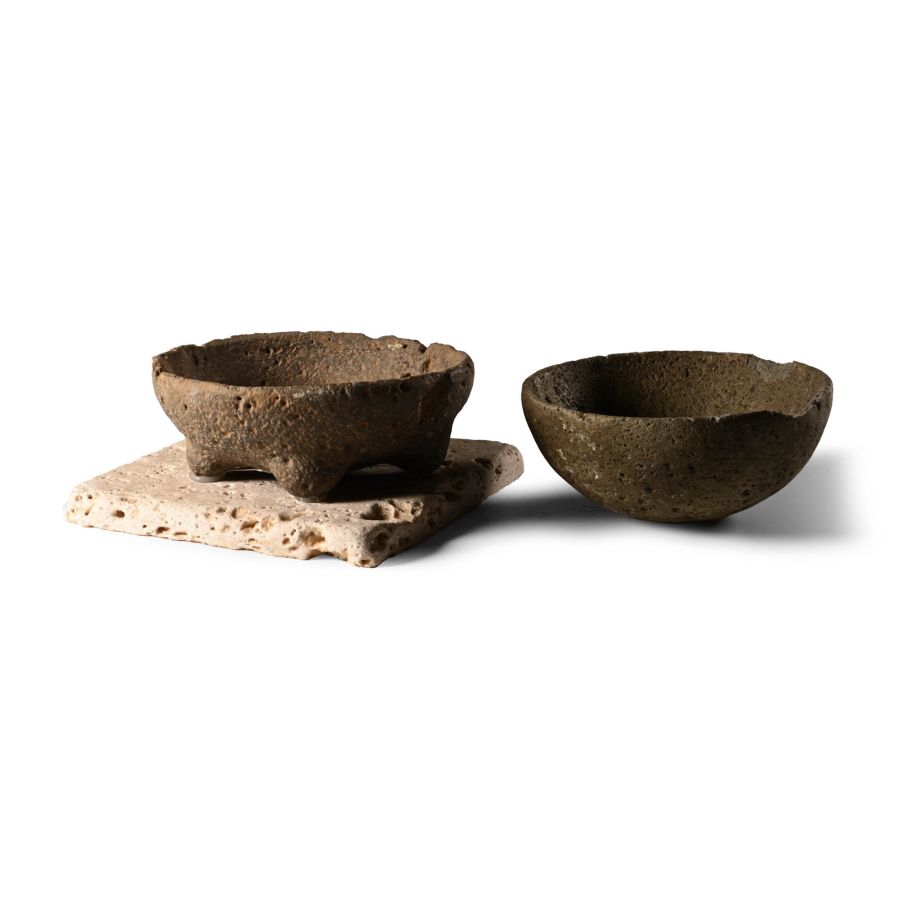
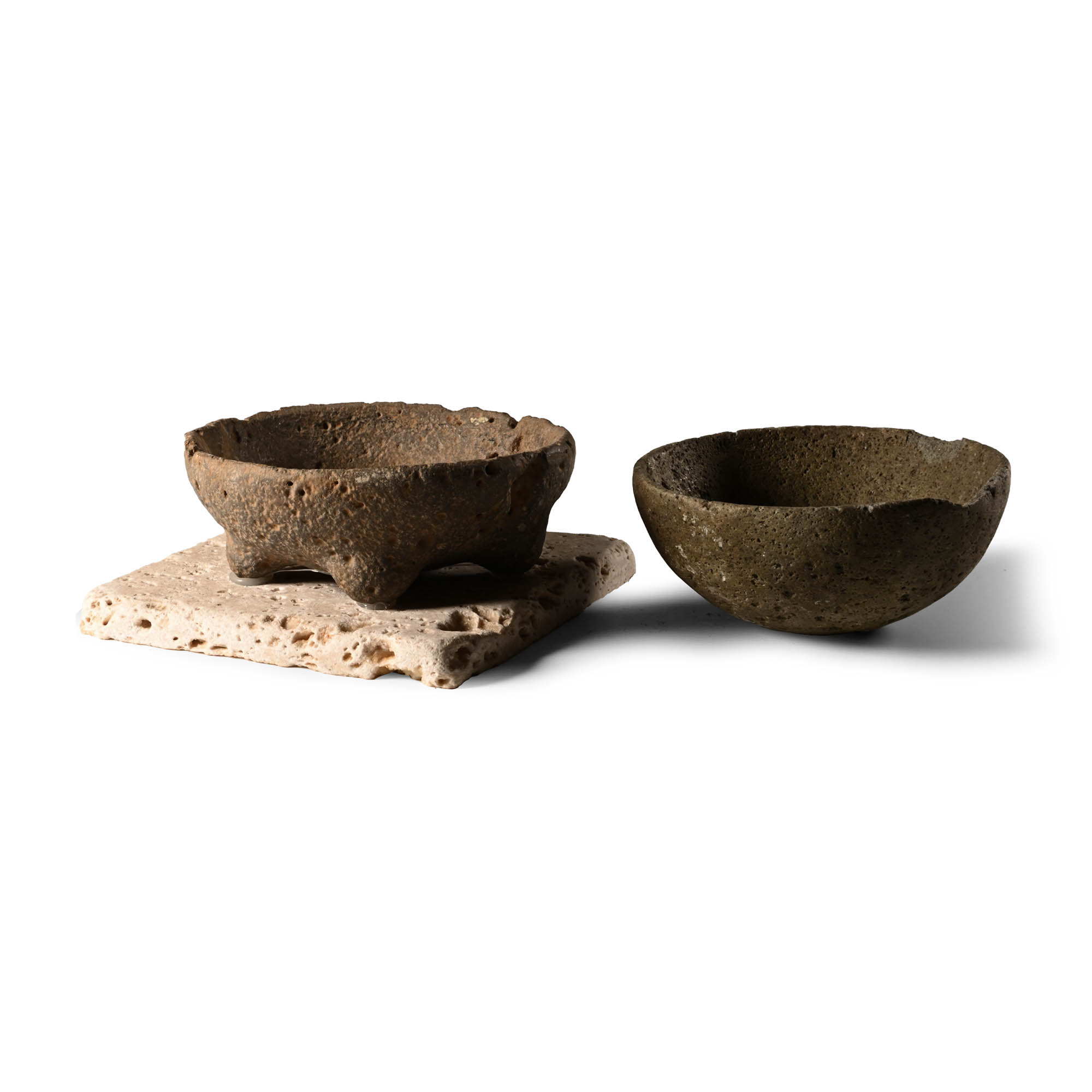
Western Asiatic Stone Bowl Group
1ST MILLENNIUM B.C.
3 1/4 - 4 in. (525 grams total, 8.4-10 cm including stand).
One hemispherical with narrow rim, the other similar with four stub feet mounted on a ceramic base. [2, No Reserve]
ProvenanceFrom a collection acquired on the UK art market from various auction houses and collections mostly before 2000.
From an important Cambridgeshire estate; thence by descent.
TimeLine Auctions follows a vetting process to ensure the authenticity and legality of all items, reinforcing our commitment to integrity and responsible trading. Each antiquity, antique, and coin lot undergoes thorough examination by a vetting committee of at least ten external specialists, professional trade association members, scientists, and archaeologists: Our Vetting Process
AUCTIONS:
TimeLine is a leading auction house specialising in antiquities, ancient art, collectables, natural history, coins, medals, and books. Our auctions offer museums, collectors, historians, and enthusiasts the opportunity to acquire unique and historically significant pieces.
-
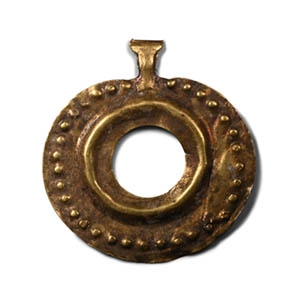
Anatolian Gold Idol
4th millennium B.C.Estimate: £2,000 - 3,000 (‡+bp*)
Opening Bid: £1,000
Sheet gold ring with repoussé annulet and band of pellets, T-shaped suspension. 2.79 grams, 35 mm
Acquired in the mid 1980s-1990s. Private collection, Switzerland, thence by descent. Private collection, since the late 1990s. This lot has been checked against the Interpol Database of stolen works of art and is accompanied by a search certificate number no.12424-226930. -
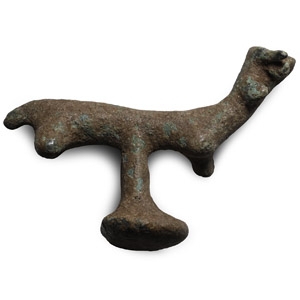
Luristan Bronze Animal
13th-7th century B.C.Sold for (Inc. bp): £7
Slender beast with multiple legs, head raised, mounted on a conical disc. 34 grams, 56 mm wide
Acquired 1980-2015. Ex Abelita family collection. -
.jpg)
Western Asiatic Gold Butterfly Bead
2nd-1st millennium B.C.Sold for (Inc. bp): £416
Of hollow construction with two sub-triangular flanges flanking a tubular loop. 5.15 grams, 35 mm
Fine condition.
Acquired 1970-2010. Collection of a late Japanese gentleman.
