
Loading, please wait...


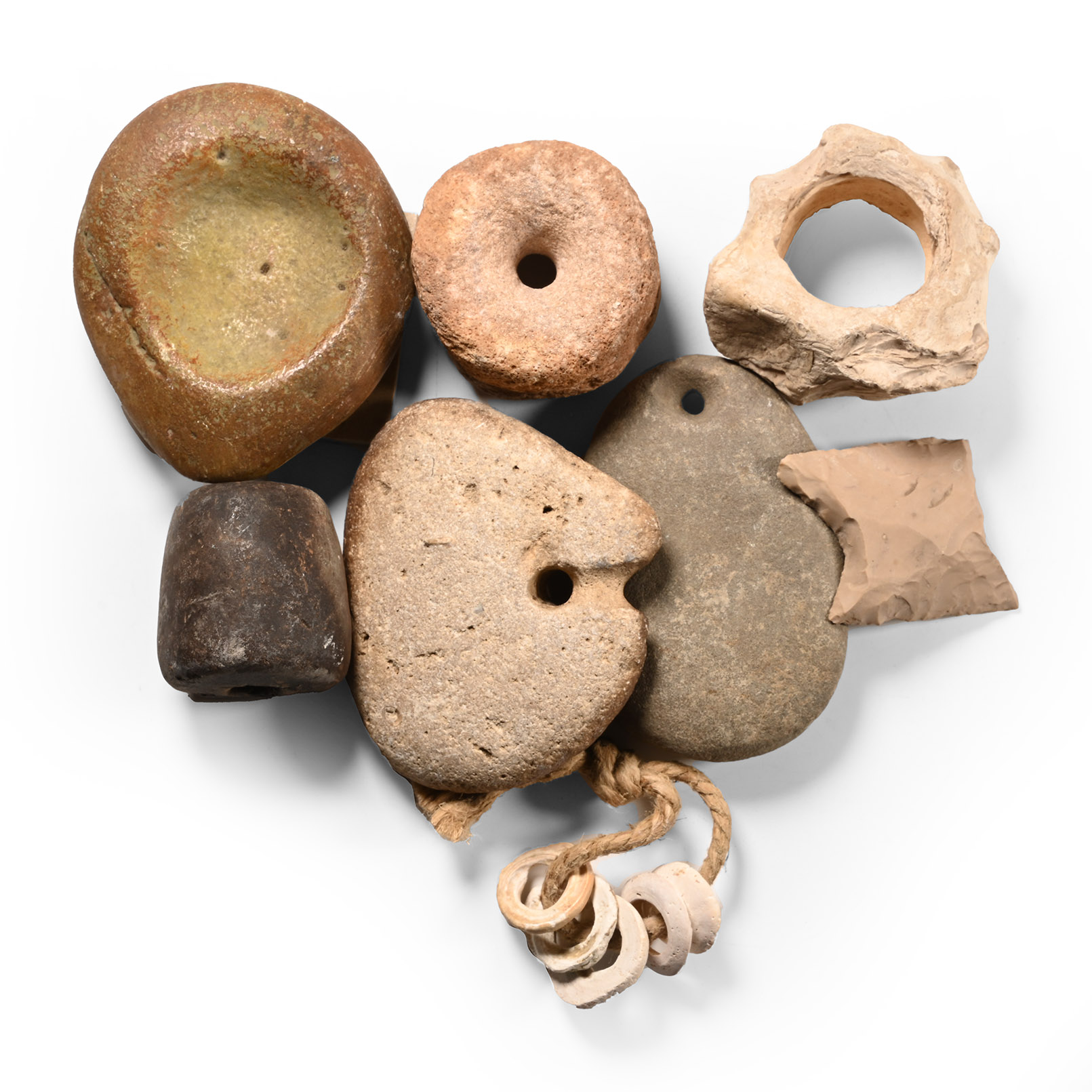
LOT 1312
Western Asiatic Stone Artefact Group
1ST MILLENNIUM B.C. AND LATER
2 - 3 1/4 in. (876 grams total, 49-85 mm).
Including pierced stone weights, a flint scraper and other items. [8, No Reserve]
ProvenanceFrom a collection acquired on the UK art market from various auction houses and collections mostly before 2000.
From an important Cambridgeshire estate; thence by descent.
TimeLine Auctions follows a vetting process to ensure the authenticity and legality of all items, reinforcing our commitment to integrity and responsible trading. Each antiquity, antique, and coin lot undergoes thorough examination by a vetting committee of at least ten external specialists, professional trade association members, scientists, and archaeologists: Our Vetting Process
AUCTIONS:
TimeLine is a leading auction house specialising in antiquities, ancient art, collectables, natural history, coins, medals, and books. Our auctions offer museums, collectors, historians, and enthusiasts the opportunity to acquire unique and historically significant pieces.
-
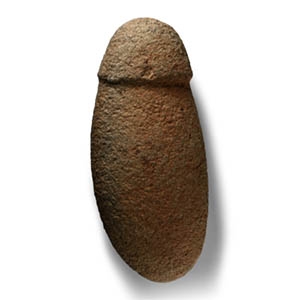
Western Asiatic Stone Phallus Axe
Neolithic Period, 5th-3rd millennium B.C.Sold for (Inc. bp): £104
Lentoid in section with rounded cutting edge, carinated butt formed as a phallus. 1.76 kg, 22 cm
From a collection acquired on the UK art market from various auction houses and collections mostly before 2000. From an important Cambridgeshire estate; thence by descent. -
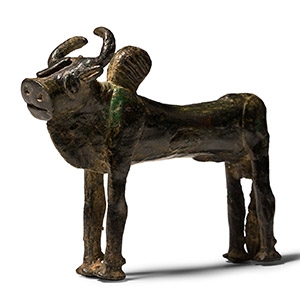
Elamite Bronze Bull Statuette
2nd-1st millennium B.C.Sold for (Inc. bp): £2,600
Modelled in the round as a zebu standing on all four legs with dewlap and crescent horns. 215 grams, 10.5 cm
Private collection, London, UK; formed 1970s-1980s. From a private collection of an Exeter gentleman since 2015. -
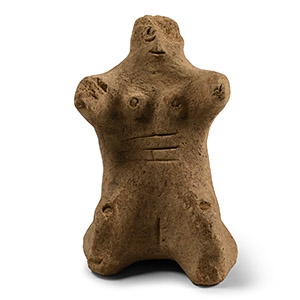
Western Asiatic Terracotta Fertility Figure
4th-3rd millennium B.C.Estimate: £250 - 350 (+bp*)
Opening Bid: £125
Modelled in the round with flared base, lightly modelled facial features, breasts and folds to the abdomen; head chipped. 156 grams, 94 mm
From the collection of Mr S.M., London, UK, 1990s.
