
Loading, please wait...
LOT 1306
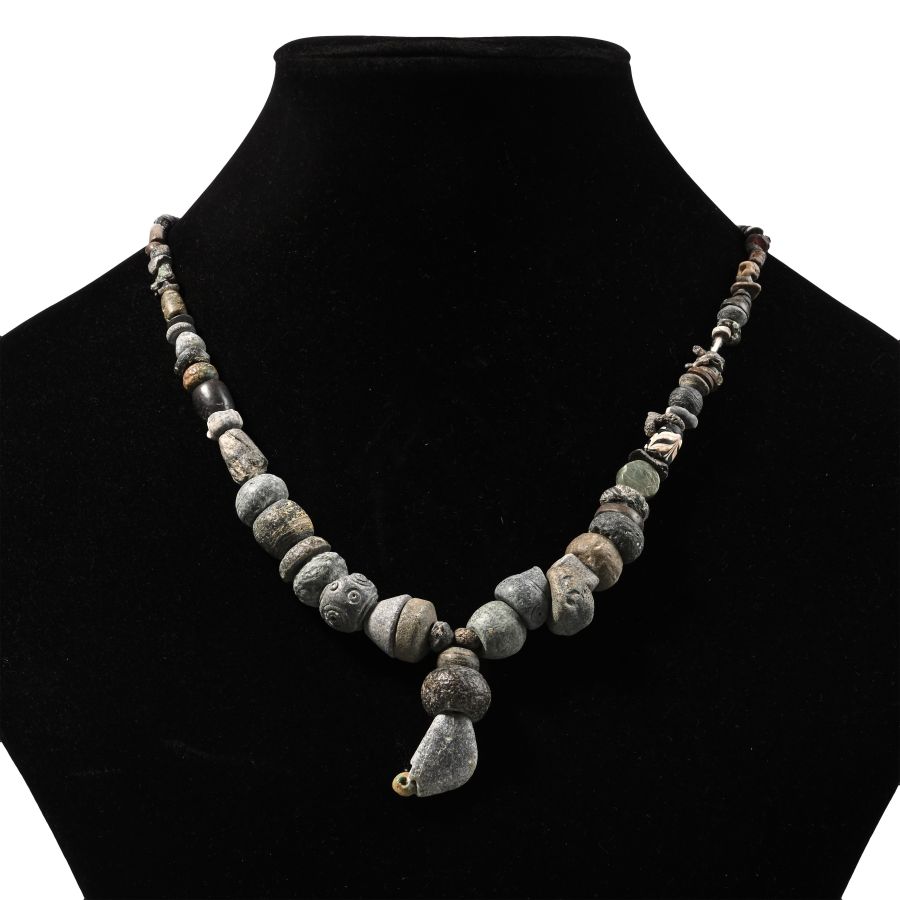
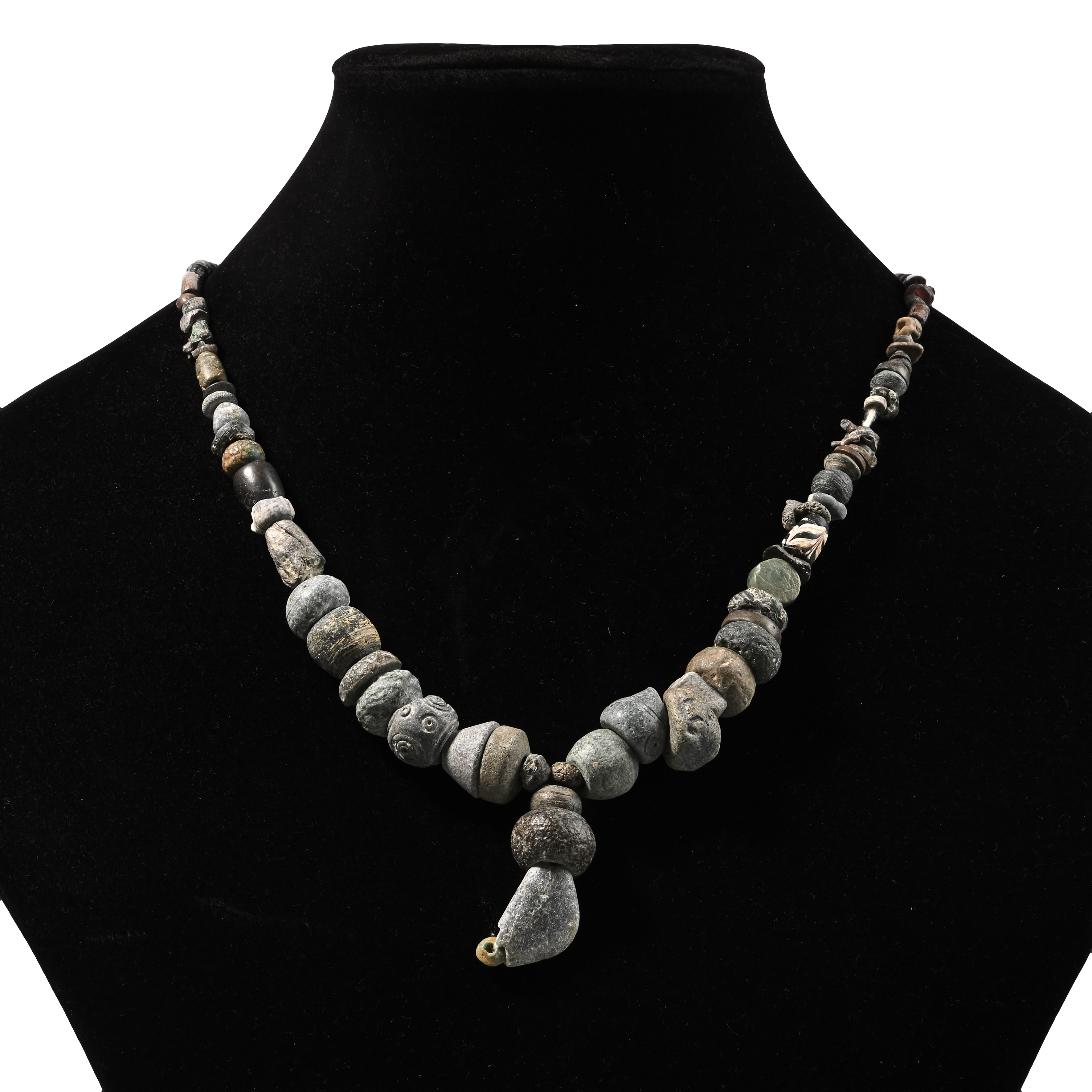
Western Asiatic Stone and Other Bead Necklace String
1ST MILLENNIUM B.C. AND LATER
14 5/8 in. (62 grams, 37.2 cm).
Composed of mixed graduated beads with an elbow bead as the central feature, restrung. [No Reserve]
ProvenanceEx Ancient Art Shop, Windsor, UK, 1990s.
Ex private West County, UK, collection.
TimeLine Auctions follows a vetting process to ensure the authenticity and legality of all items, reinforcing our commitment to integrity and responsible trading. Each antiquity, antique, and coin lot undergoes thorough examination by a vetting committee of at least ten external specialists, professional trade association members, scientists, and archaeologists: Our Vetting Process
AUCTIONS:
TimeLine is a leading auction house specialising in antiquities, ancient art, collectables, natural history, coins, medals, and books. Our auctions offer museums, collectors, historians, and enthusiasts the opportunity to acquire unique and historically significant pieces.
-
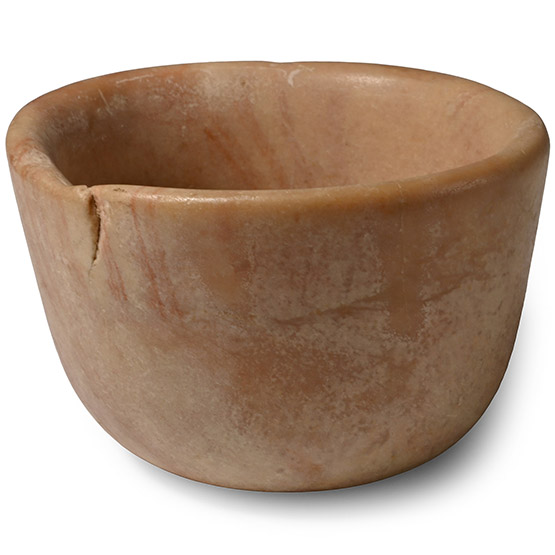
Western Asiatic Stone Cup
3rd-2nd millennium B.C.Sold for (Inc. bp): £52
Carved with a broad flat base, gently flared profile, rounded rim. 174 grams, 72 mm wide
Private collection, assembled in the 1950s-1970s, thence by descent. -
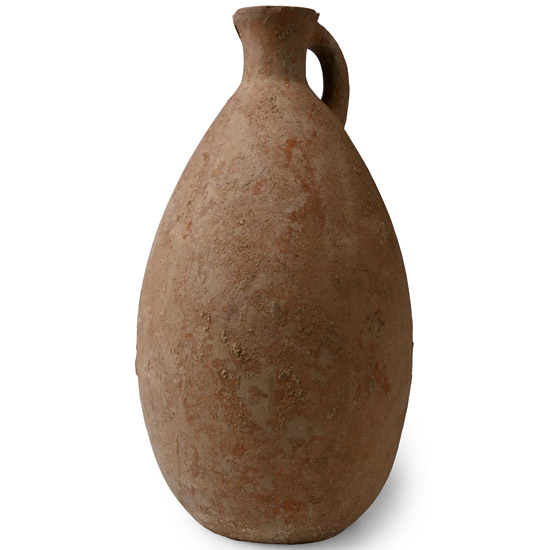
Large Western Asiatic Tall Terracotta Jug
1st millennium B.C.Sold for (Inc. bp): £260
Piriform body with a narrow trumpet-shaped neck and a small strap handle to the rear. 1.61 kg, 32.7 cm
Ex Abelita collection, 1990s. -
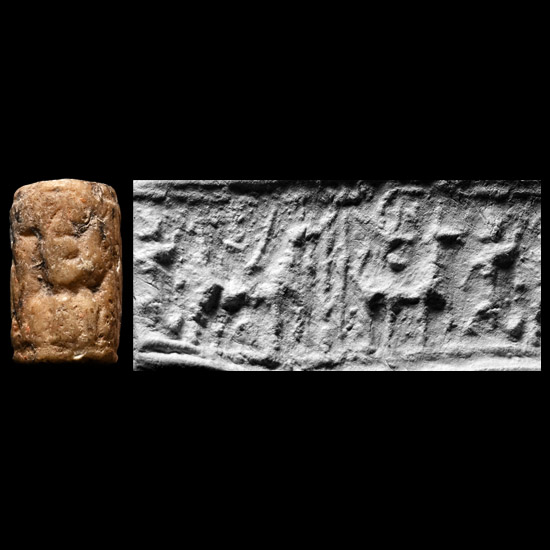
Syrian Limestone Cylinder Seal
Circa 1300 B.C.Sold for (Inc. bp): £59
Cylinder with a figure standing on a beast, another figure before, another beast and stripes; supplied with a museum-quality impression. 2.8 grams, 16 mm
From the private collection of a European gentleman (1942-2024), formed since the 1970s. Accompanied by a previous typed catalogue slip with collection no.57.
