
Loading, please wait...
LOT 1199
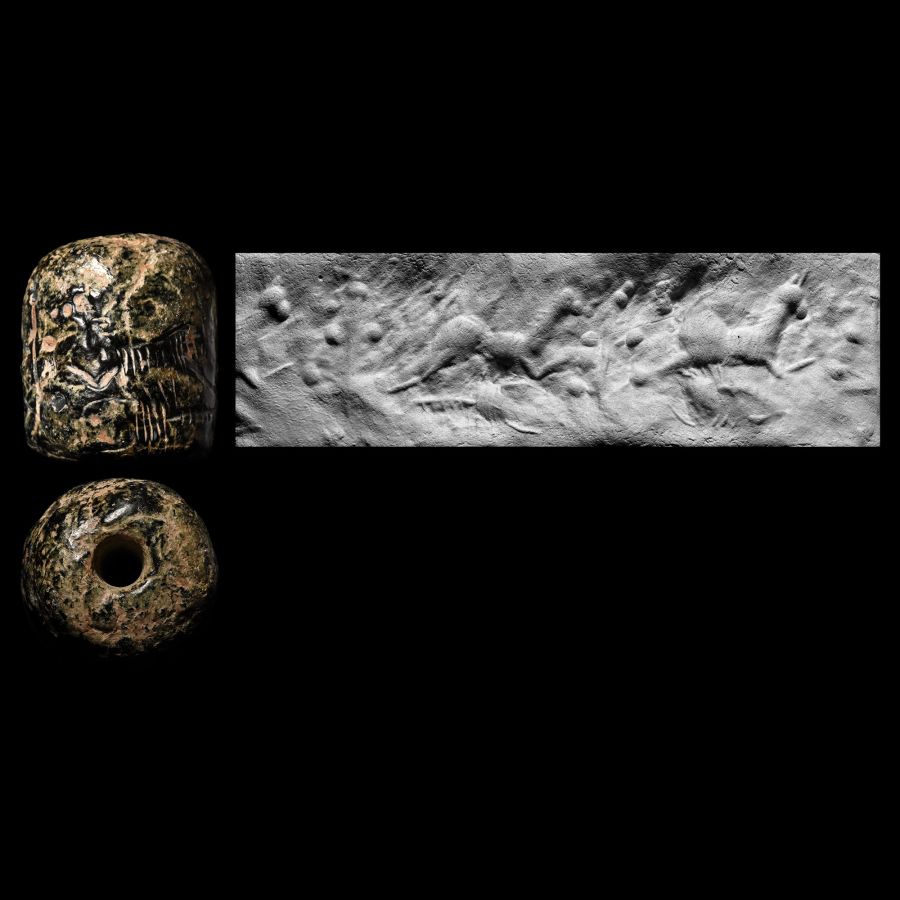
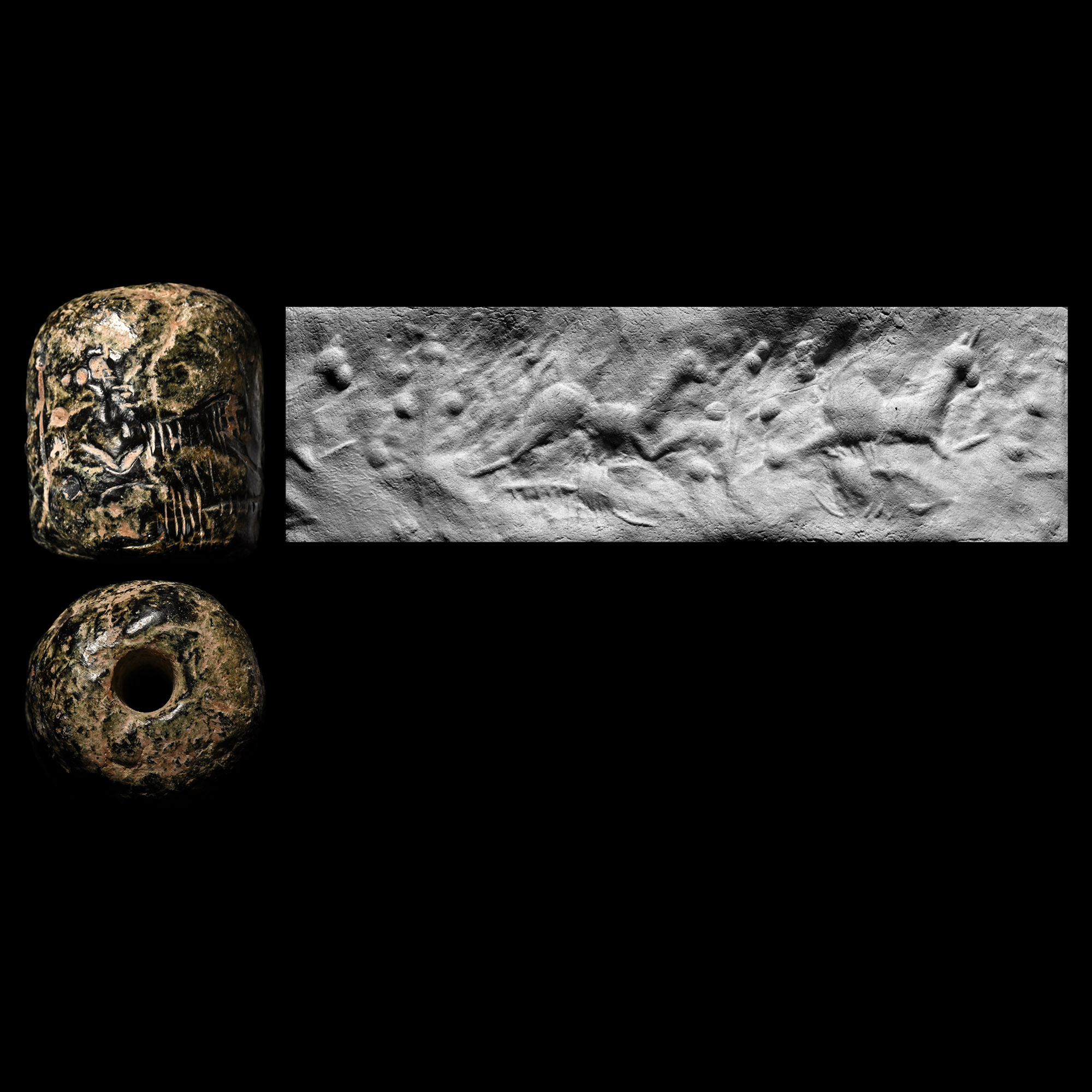
Western Asiatic Steatite Cylinder Seal with Deer and Scorpion
CIRCA 1500-1300 B.C.
7/8 in. (13 grams, 22 mm).
Barrel-shaped with incuse frieze of a leaping deer and a scorpion, pellets in the field; supplied with an old dealer's ticket and a museum-quality impression. [No Reserve]
ProvenanceFrom the private collection of a European gentleman (1942-2024), formed since the 1970s.
Accompanied by a previous handwritten catalogue note card.
Cf. Eisen, G.A., Ancient oriental cylinder and other seals with a description of the collection of Mrs William H. Moore, Chicago, 1942, no.151, for a similar scene on a round seal.
CONDITIONTimeLine Auctions follows a vetting process to ensure the authenticity and legality of all items, reinforcing our commitment to integrity and responsible trading. Each antiquity, antique, and coin lot undergoes thorough examination by a vetting committee of at least ten external specialists, professional trade association members, scientists, and archaeologists: Our Vetting Process
AUCTIONS:
TimeLine is a leading auction house specialising in antiquities, ancient art, collectables, natural history, coins, medals, and books. Our auctions offer museums, collectors, historians, and enthusiasts the opportunity to acquire unique and historically significant pieces.
LOT 1199
Western Asiatic Steatite Cylinder Seal with Deer and Scorpion
Sold for (Inc. bp): £72
-
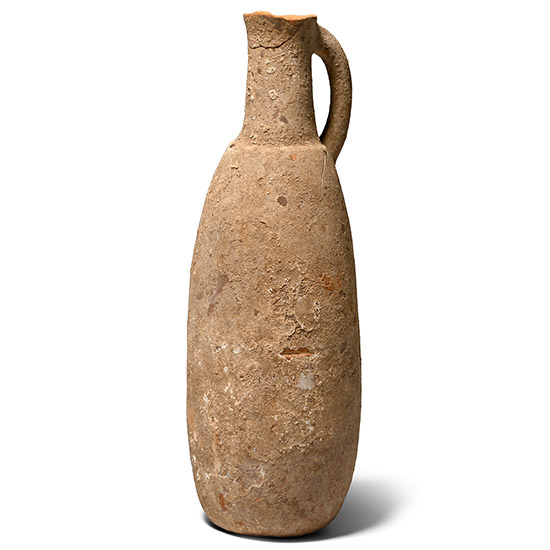
Western Asiatic Pottery Vessel
1st millennium B.C.Sold for (Inc. bp): £117
Slender cylindrical body with tubular neck and a strap handle to the rear. 200 grams, 18.7 cm
From an important specialist collection, London, UK, 1990s. -
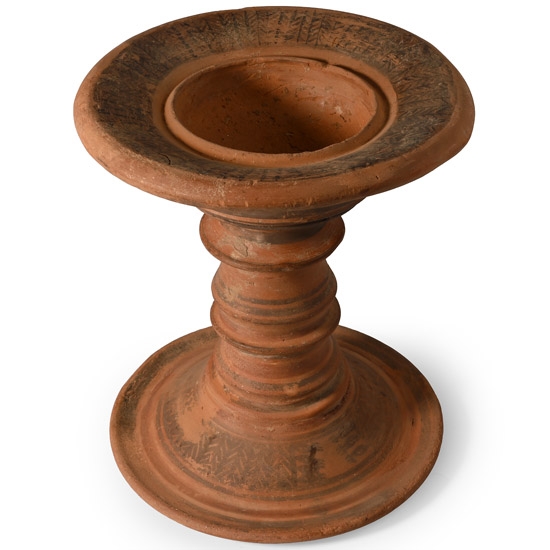
Bactrian Terracotta Vessel Stand
1st millennium B.C.Estimate: £120 - 170 (+bp*)
Opening Bid: £67
With flange rim, flared base, stem with collars, and some painted decoration to the rim and neck. 1.67 kg, 21.5 cm high
Ex Abelita family collection, 1980s-2000s. -
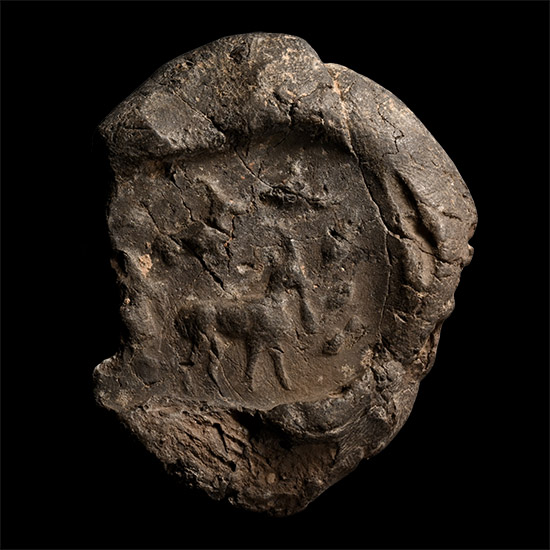
Large Sasanian Terracotta Bulla with Animals
Circa 400-600 A.D.Sold for (Inc. bp): £20
A large fragment of a bulla showing a standing ibex and other animals. 21.6 grams, 45 mm
From the private collection of a European gentleman (1942-2024), formed since the 1970s.
