
Loading, please wait...
LOT 1251
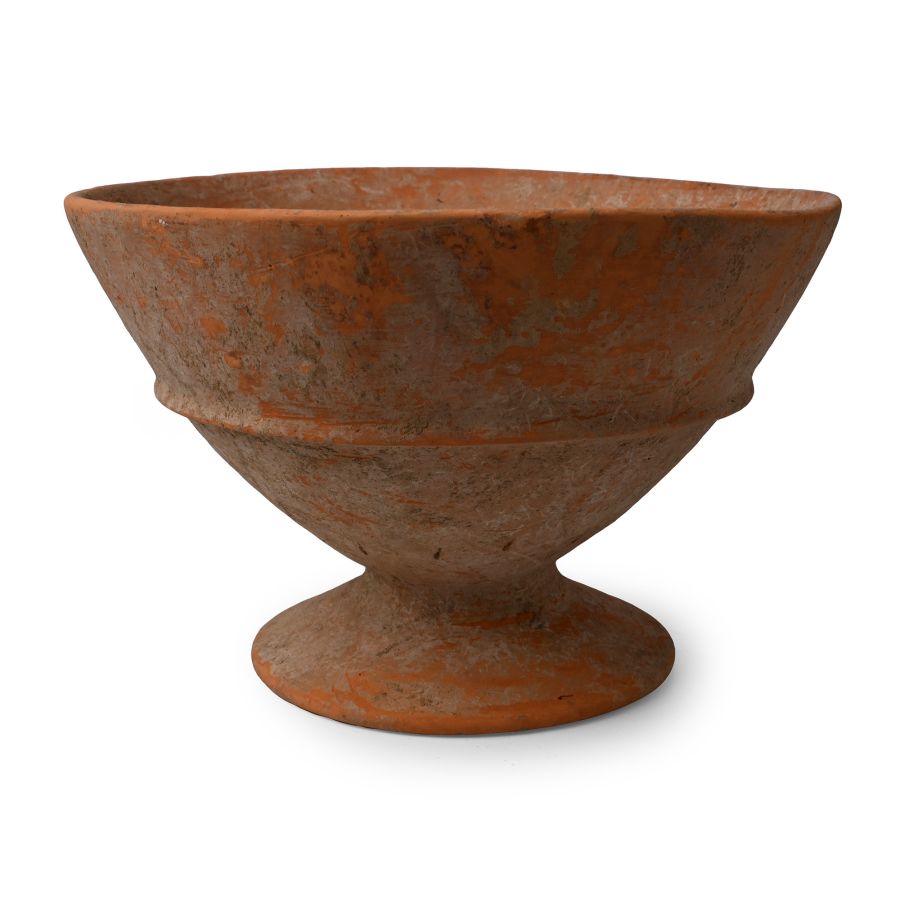
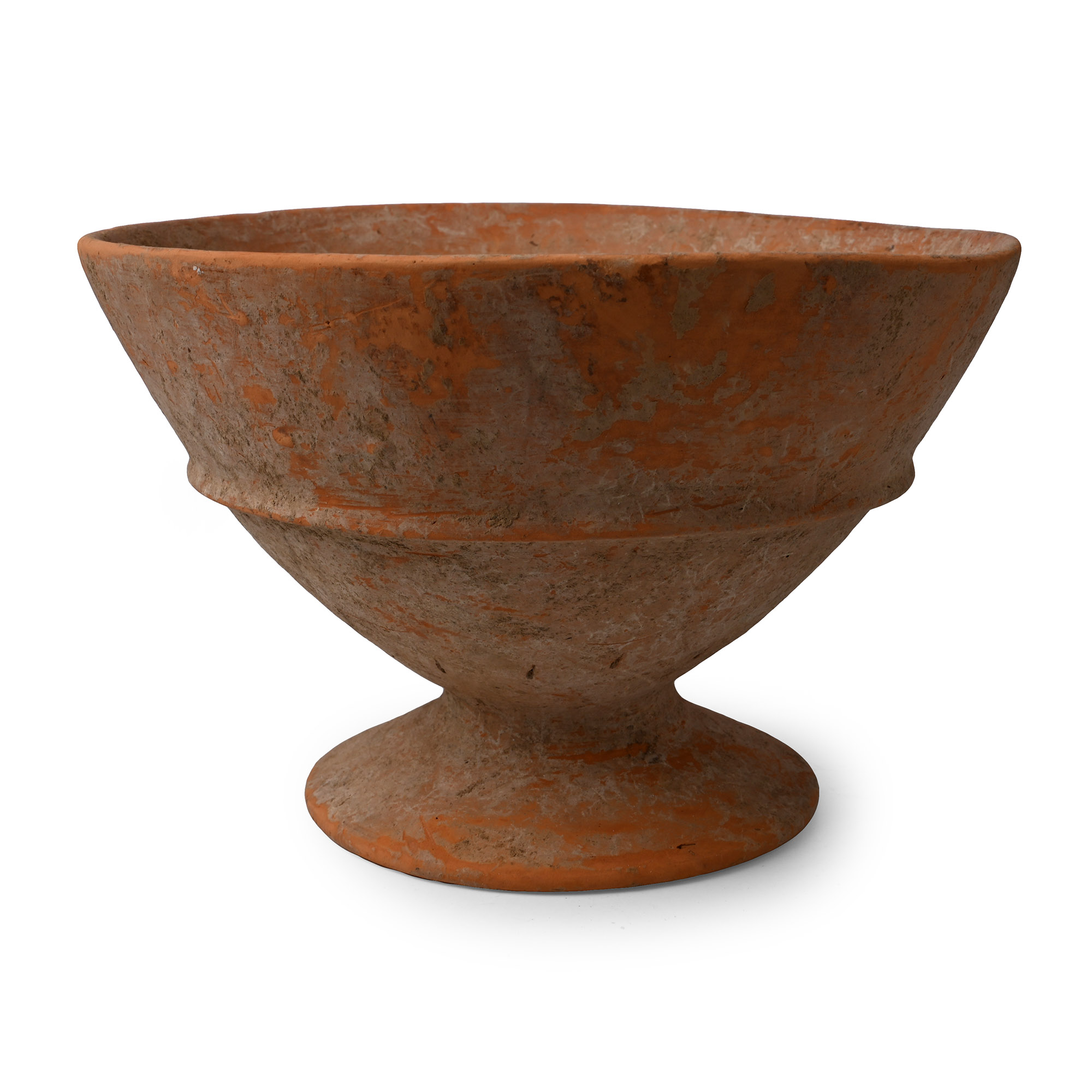
Western Asiatic Squat Terracotta Chalice
1ST MILLENNIUM B.C.
7 1/2 in. (838 grams, 19 cm).
Comprising a hemispherical bowl with carination and a flaring foot.
ProvenanceEx Abelita collection, 1990s.
CONDITIONTimeLine Auctions follows a vetting process to ensure the authenticity and legality of all items, reinforcing our commitment to integrity and responsible trading. Each antiquity, antique, and coin lot undergoes thorough examination by a vetting committee of at least ten external specialists, professional trade association members, scientists, and archaeologists: Our Vetting Process
AUCTIONS:
TimeLine is a leading auction house specialising in antiquities, ancient art, collectables, natural history, coins, medals, and books. Our auctions offer museums, collectors, historians, and enthusiasts the opportunity to acquire unique and historically significant pieces.
LOT 1251
Western Asiatic Squat Terracotta Chalice
Estimate £100 - 140€120 - 160 (for guidance only)$140 - 190 (for guidance only)
-
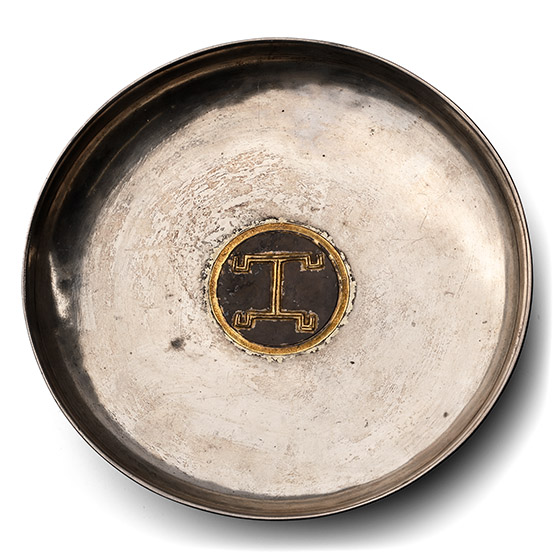
Post Sasanian Silver Footed Dish with 'Tamga'
Circa 8th-10th century A.D. or laterEstimate: £1,500 - 2,000 (+bp*)
Opening Bid: £800
Discoid footed dish with raised rim, central tondo with parcel-gilt ring and 'tamga' motif. 466 grams, 22 cm
Private collection, UK. Accompanied by an academic report by Dr Raffaele D’Amato. This lot has been checked against the Interpol Database of stolen works of art and is accompanied by search certificate number no.13029-247330.
During the Sasanian Empire, the North Iranian ‘tamgas’ became ‘Neshan’ or seals and heraldic symbols of nobility and military personnel, worn on their dress, horses, standards and personal belongings like this vessel. This characteristic continued during the early Muslim domination. Among the Neshan published by Christensen, one particular ‘tamga’, related to an unknown Sasanian clan, recalls exactly half of the one impressed on the present example (Farrokh, 2005, p.23 no.5). -
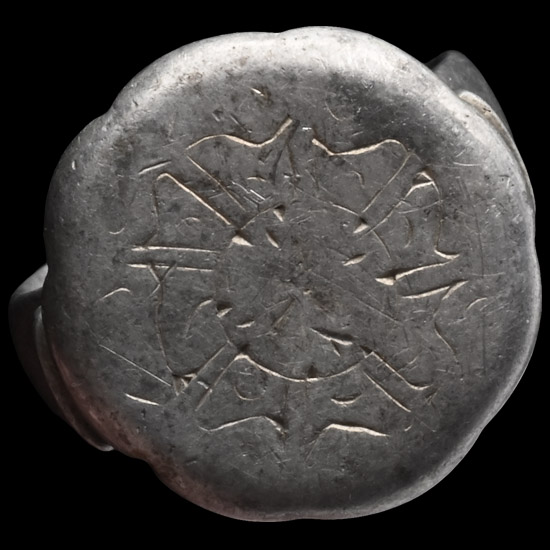
Large Western Asiatic Silver Ring with Floral Design
Circa 18th-19th century A.D.Estimate: £100 - 140 (+bp*)
Opening Bid: £50
Comprising a wide hoop with curving supports projecting from the shoulders, a thick flower-shaped bezel with an engraved and gilt flower motif. 21.95 grams, 31.96 mm overall, 20.96 x 18.15 mm internal diameter (approximate size British R 1/2, USA 8 3/4, Europe 19.38, Japan 18)
Ex German art market, 2000s. Acquired from an EU collector living in London. From the collection of a Surrey, UK, gentleman. -
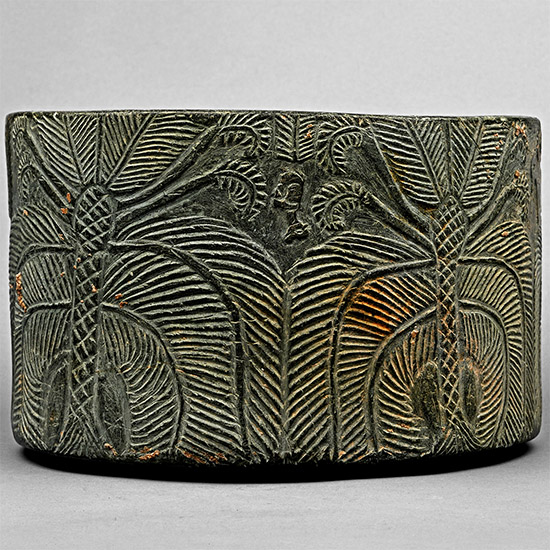
Mesopotamian Steatite Bowl with Animals and Palm Trees
3rd millennium B.C.Sold for (Inc. bp): £10,400
Drum-shaped steatite vessel with broad flat rim; low-relief frieze to the outer face: dense vegetation panels with hatched treetrunks and fronds, resting quadrupeds, each with the legs folded beneath the body. 5.3 kg, 24.5 cm wide
Acquired by a Swiss family in the mid-1980s to late 1990s, thence by descent. Private collection, Switzerland, since the late 1990s. Accompanied by an academic report by Dr Raffaele D’Amato. This lot has been checked against the Interpol Database of stolen works of art and is accompanied by search certificate number no.13026-246787.
In Mesopotamia ancient stone-carvers produced a variety of vessels from soft soapstone (steatite) and pale yellow alabaster, along with jewellery. They include cylindrical boxes, cups, high open-rim vases and a few globular jars. Among it the most prominent products were the cups with tall, slender stalks, apparently intended for religious purposes. The repertoire of motifs of the ‘Intercultural Style’ includes vegetal, architectural, and abstract or naturalistic representations of people and animals, depicted in a carved and inlaid technique.
