
Loading, please wait...


LOT 1241
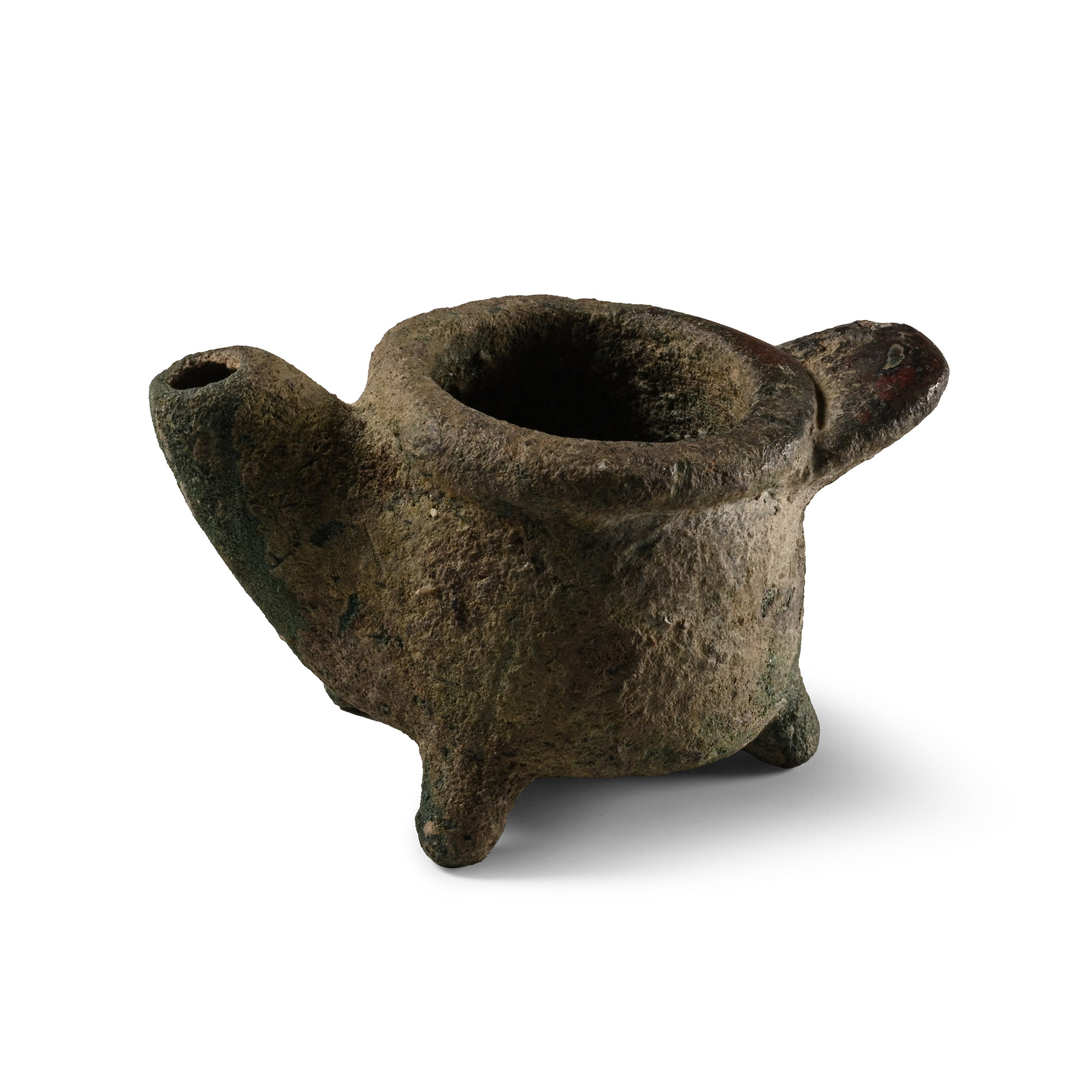
Western Asiatic Spouted Bronze Pot
1ST MILLENNIUM B.C.
2 1/2 in. (107 grams, 63 mm).
Cylindrical with three stub legs, rolled rim, flange handle, angled spout. [No Reserve]
ProvenanceFrom an important London, UK, collection formed since 1965.
Ex property of a Mayfair lady.
TimeLine Auctions follows a vetting process to ensure the authenticity and legality of all items, reinforcing our commitment to integrity and responsible trading. Each antiquity, antique, and coin lot undergoes thorough examination by a vetting committee of at least ten external specialists, professional trade association members, scientists, and archaeologists: Our Vetting Process
AUCTIONS:
TimeLine is a leading auction house specialising in antiquities, ancient art, collectables, natural history, coins, medals, and books. Our auctions offer museums, collectors, historians, and enthusiasts the opportunity to acquire unique and historically significant pieces.
-
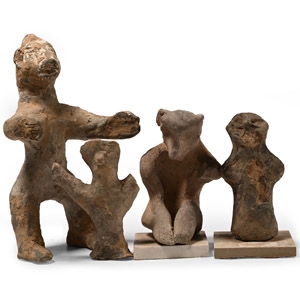
Western Asiatic and Other Terracotta Idol Collection
3rd-1st millennium B.C. or laterSold for (Inc. bp): £117
Anthropomorphic figures in various poses, two on ceramic stands. 560 grams total, 7.8-15 cm
From a collection acquired on the UK art market from various auction houses and collections mostly before 2000. From an important Cambridgeshire estate; thence by descent. -
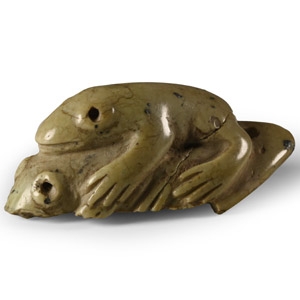
Central Asian Green Steatite Stone Frog Amulet
1st millennium B.C. or laterEstimate: £200 - 300 (+bp*)
Opening Bid: £80
Carved in the round depicting two frogs mating, with socket eyes. 7.37 grams, 33 mm
From the private collection of Mr K.A., acquired in the 1990s-early 2000s. -
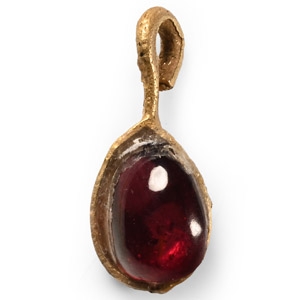
Western Asiatic Gold and Garnet Pendant
1st millennium B.C.Sold for (Inc. bp): £208
Piriform garnet cabochon in gold cell with hook, openwork to reverse. 0.65 grams, 14 mm
Ex property of a late Japanese collector, 1970-2000s.
