
Loading, please wait...
LOT 1028
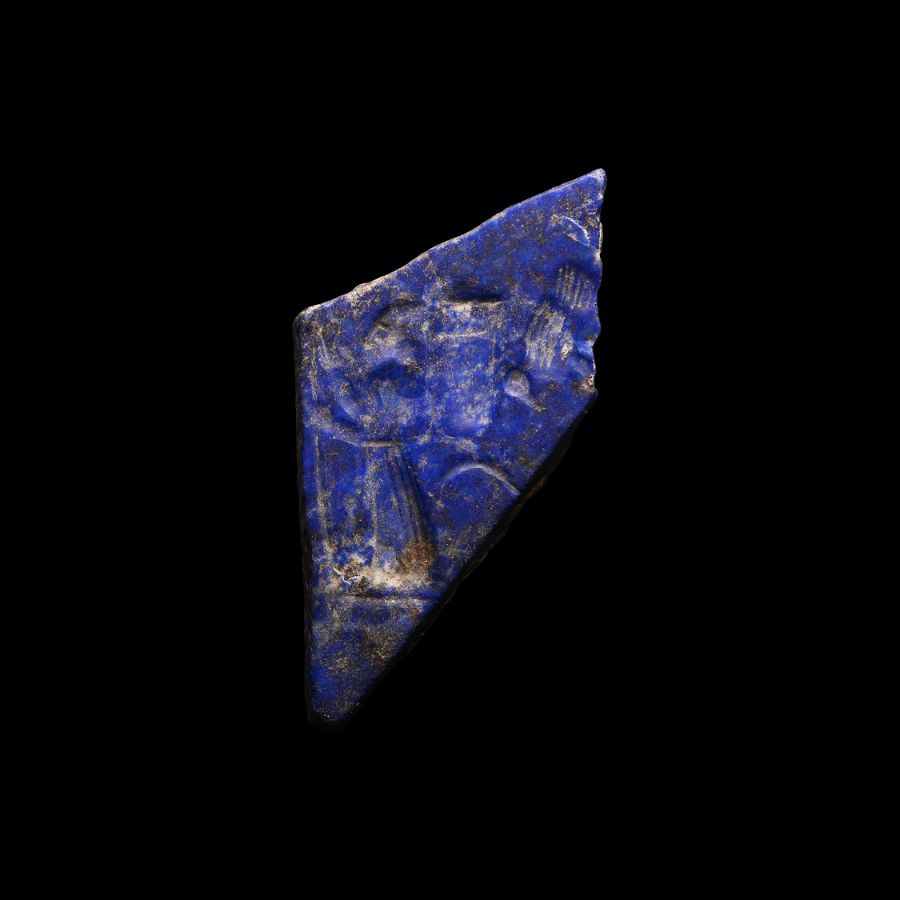
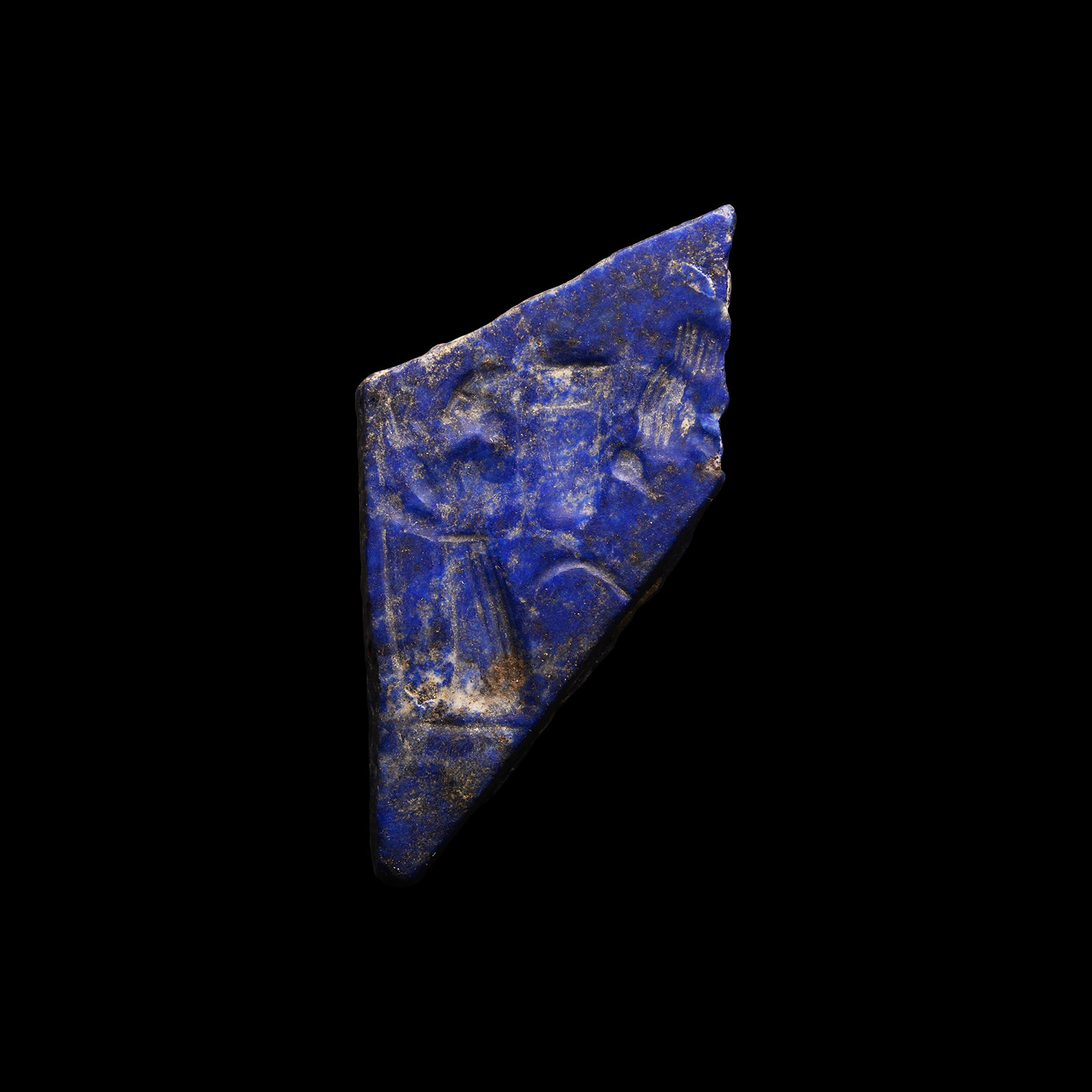
Western Asiatic Sodalite Fragment with Assyrian Figures
CIRCA 8TH-6TH CENTURY B.C.
1 3/4 in. (5.28 grams, 46 mm).
A sodalite sherd depicting incuse Assyrian figures and symbols to both faces. [No Reserve]
ProvenanceAcquired 1969-1999.
London collection of the late Mr S.M., thence by descent.
TimeLine Auctions follows a vetting process to ensure the authenticity and legality of all items, reinforcing our commitment to integrity and responsible trading. Each antiquity, antique, and coin lot undergoes thorough examination by a vetting committee of at least ten external specialists, professional trade association members, scientists, and archaeologists: Our Vetting Process
AUCTIONS:
TimeLine is a leading auction house specialising in antiquities, ancient art, collectables, natural history, coins, medals, and books. Our auctions offer museums, collectors, historians, and enthusiasts the opportunity to acquire unique and historically significant pieces.
LOT 1028
Western Asiatic Sodalite Fragment with Assyrian Figures
Sold for (Inc. bp): £117
-
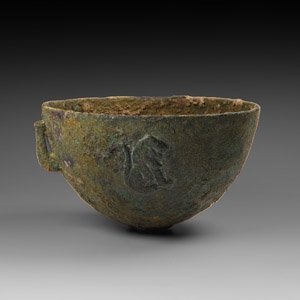
Proto Elamite Bowl with Seated Lions
3rd millennium B.C.Estimate: £800 - 1,000 (+bp*)
Opening Bid: £444
A conical bowl with D-section wall and shallow discoid foot, ornamented with a procession of three lions seated right in relief around the shoulder; remains of lug handle. 317 grams, 10.2 cm wide
Fine condition.
Acquired before 1983. Ex London gallery, 1990s. -
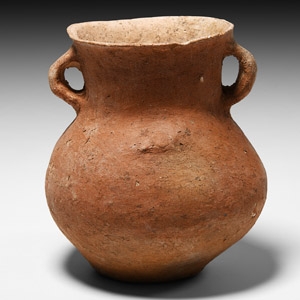
Trans Jordan Redware Burnished Jar
Circa 3000 B.C.Estimate: £100 - 140 (+bp*)
Opening Bid: £50
A ceramic jar of globular form with flat base and funicular neck; two lug handles to the shoulder. 260 grams, 12.5 cm high
Fine condition.
Ex Hands of the Potter exhibition. Faustus Gallery, Jermyn Street, 1990s. London, UK, collection. -
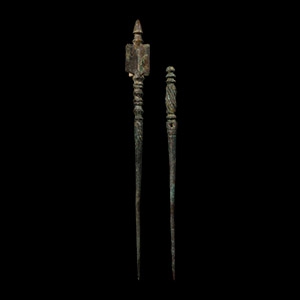
Luristan Decorated Pin Group
13th-6th century B.C.Sold for (Inc. bp): £72
A group of two bronze pins composed of tapering round-section stems: one with decoratively twisted head and bulbous finial, pierced; one with biconical and plain collars below a flanged head with conical finial. 89 grams total, 17.5-21.2 cm
UK private collection before 2000. UK art market. Property of a London gentleman.
