
Loading, please wait...
LOT 1439
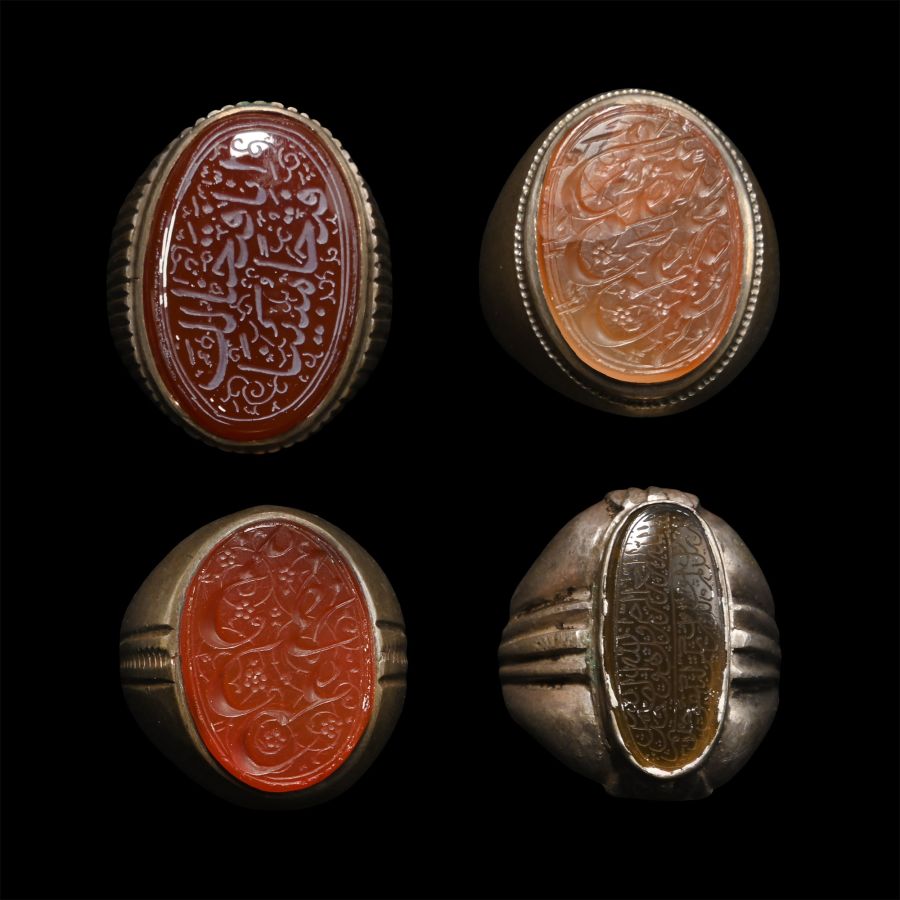
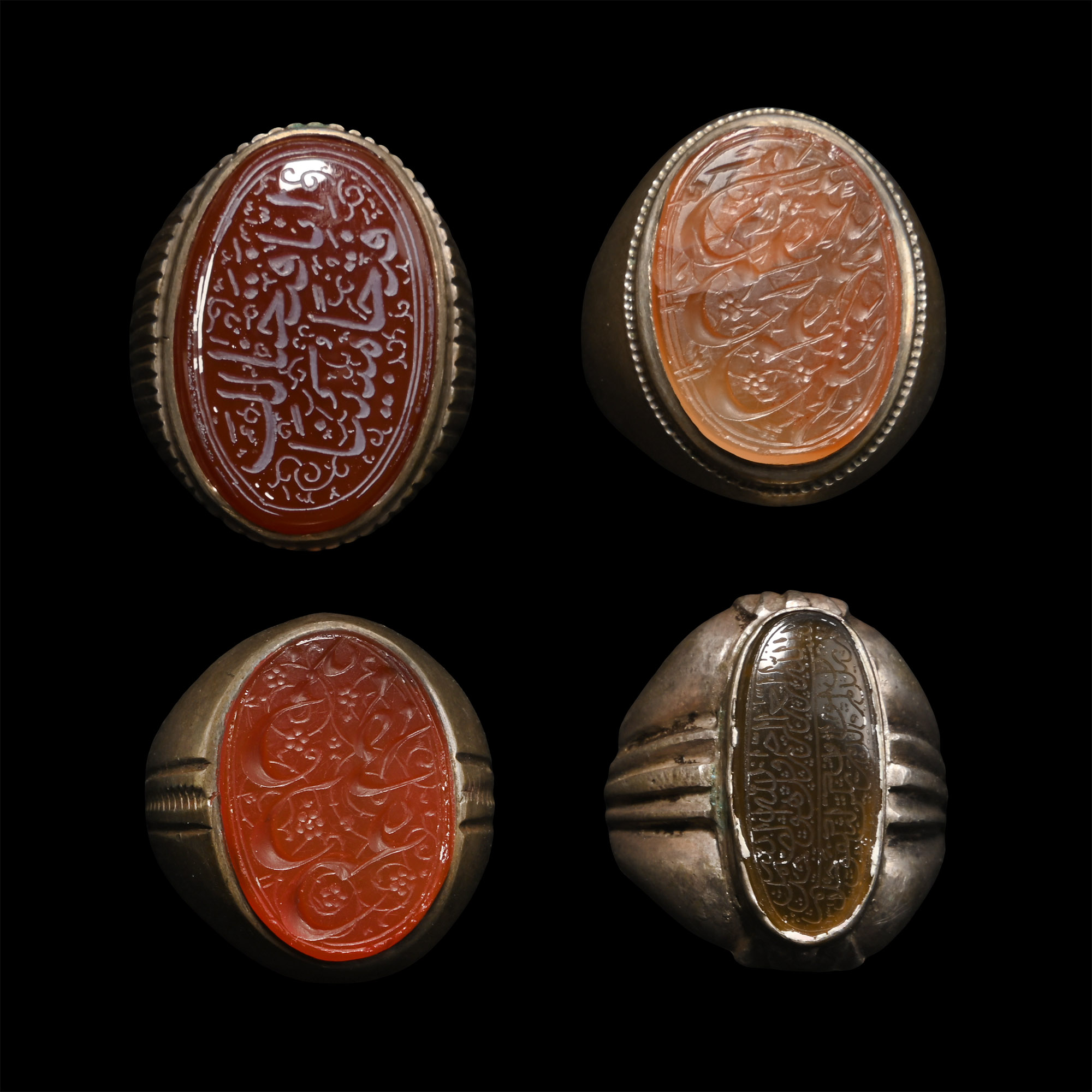
Western Asiatic Silver-Coloured Metal Rings with Calligraphic Gemstones
20TH CENTURY A.D.
1 in. (38.8 grams total, 25-27 mm).
Comprising four rings set with carnelian gemstones, each with a densely arranged calligraphic inscription. [4, No Reserve]
ProvenanceAcquired in the late 1980s-early 1990s.
Private collection, London, UK.
TimeLine Auctions follows a vetting process to ensure the authenticity and legality of all items, reinforcing our commitment to integrity and responsible trading. Each antiquity, antique, and coin lot undergoes thorough examination by a vetting committee of at least ten external specialists, professional trade association members, scientists, and archaeologists: Our Vetting Process
AUCTIONS:
TimeLine is a leading auction house specialising in antiquities, ancient art, collectables, natural history, coins, medals, and books. Our auctions offer museums, collectors, historians, and enthusiasts the opportunity to acquire unique and historically significant pieces.
LOT 1439
Western Asiatic Silver-Coloured Metal Rings with Calligraphic Gemstones
Sold for (Inc. bp): £2,340
-
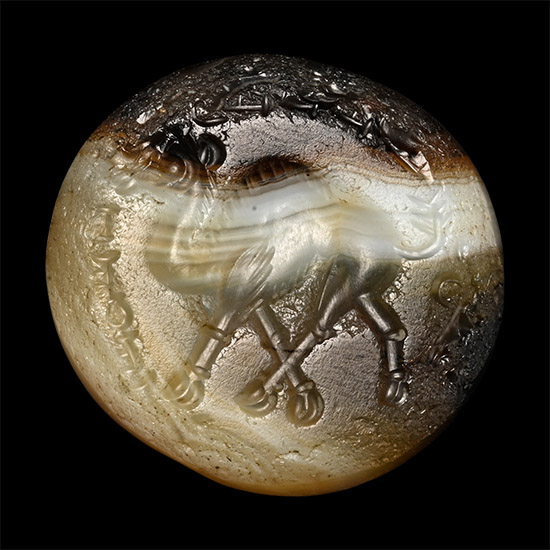
Sasanian Banded Agate Stamp Seal with a Dromedary Camel and Inscription
5th-7th century A.D.Sold for (Inc. bp): £1,170
Plano-convex in section with transverse piercing; incuse image on the underside of a charging dromedary camel inside a circular Sasanian inscription; supplied with a museum-quality impression; very rare type. 8.9 grams, 20 mm
From a privately held London, UK, collection from the 1990s. -
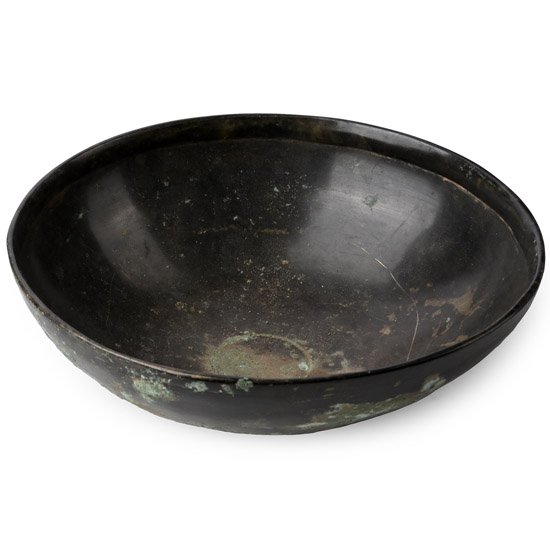
Western Asiatic Bronze Bowl
Circa 1st millennium B.C.Sold for (Inc. bp): £85
Shallow bowl with rounded base and inturned rim. 260 grams, 14 cm wide
From a London, UK, collection, 1990s-2010. -
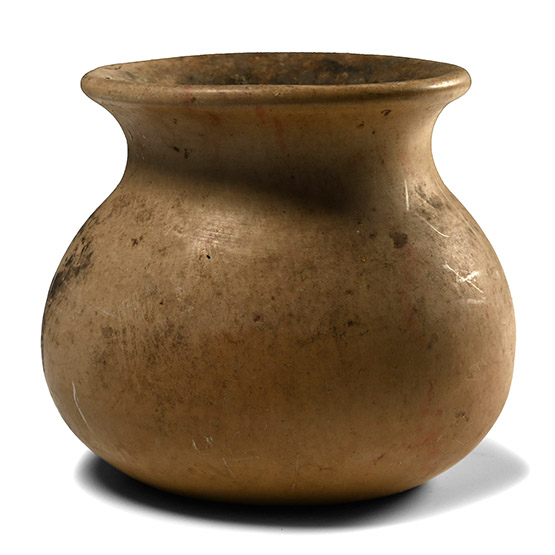
Western Asiatic Limestone Jar
1st millennium B.C.Estimate: £250 - 350 (+bp*)
Opening Bid: £135
Indurate limestone vessel with squat profile, broad flat base, carinated shoulder and broad rounded rim. 405 grams, 88 mm wide
From a London, UK, gentleman's collection of ancient pottery and artefacts, 1990s.
