
Loading, please wait...
LOT 1422
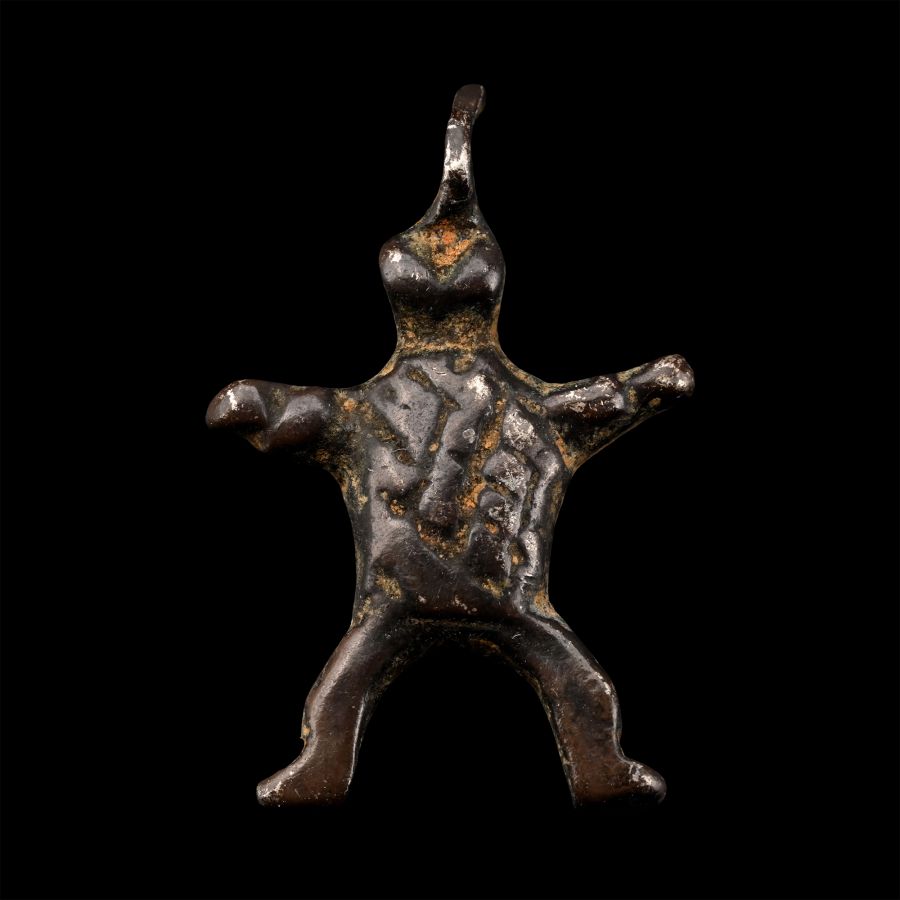
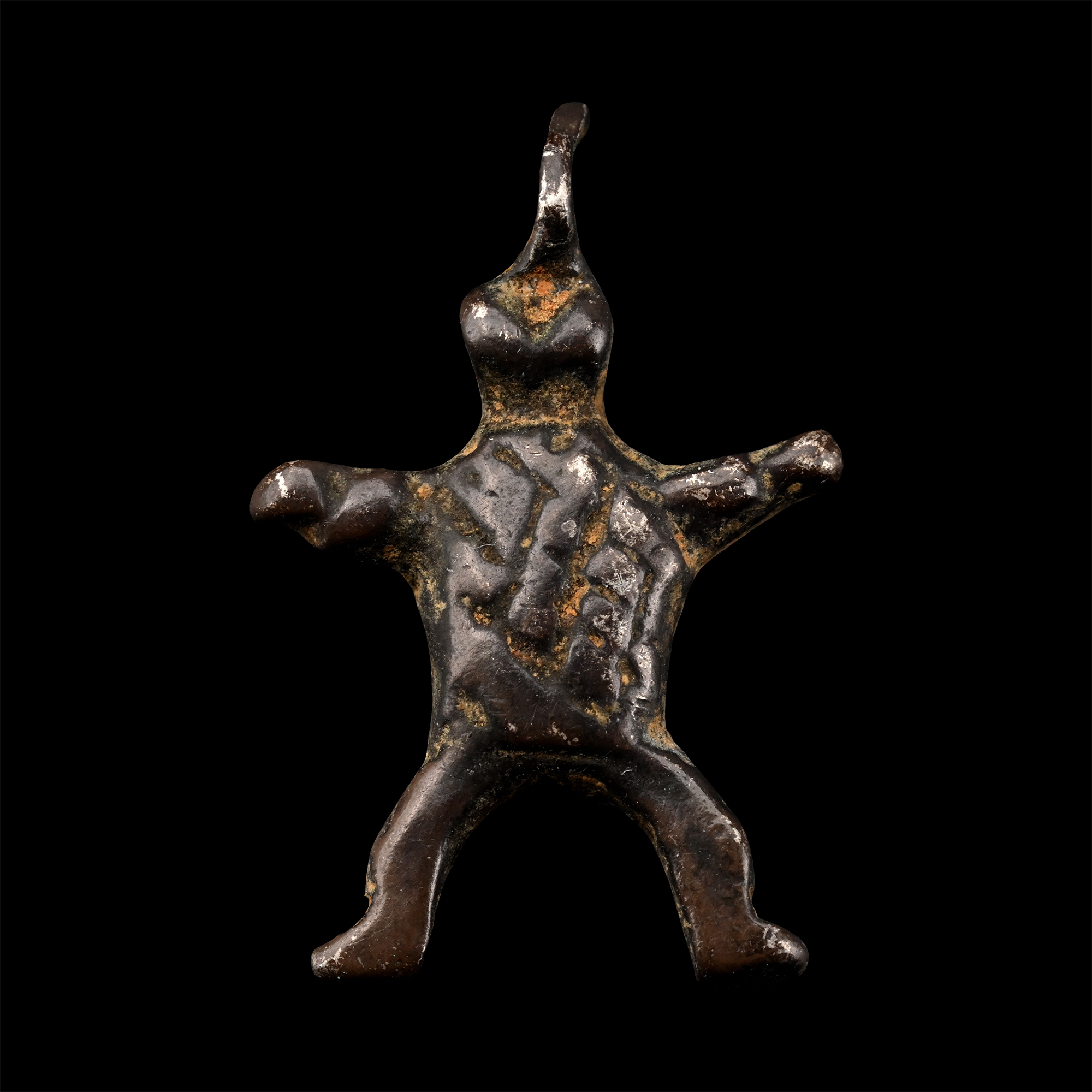
Western Asiatic Silver Amulet
12TH-15TH CENTURY A.D.
7/8 in. (2.16 grams, 21 mm).
Formed as a splayed animal figure with an integral loop. [No Reserve]
ProvenanceFrom the collection of a gentleman, acquired on the London art market in the 1990s.
CONDITIONTimeLine Auctions follows a vetting process to ensure the authenticity and legality of all items, reinforcing our commitment to integrity and responsible trading. Each antiquity, antique, and coin lot undergoes thorough examination by a vetting committee of at least ten external specialists, professional trade association members, scientists, and archaeologists: Our Vetting Process
AUCTIONS:
TimeLine is a leading auction house specialising in antiquities, ancient art, collectables, natural history, coins, medals, and books. Our auctions offer museums, collectors, historians, and enthusiasts the opportunity to acquire unique and historically significant pieces.
-
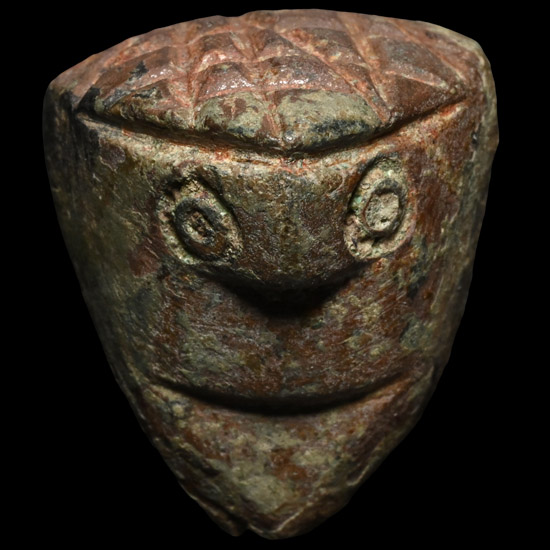
Western Asiatic Bronze Idol
1st millennium B.C.Sold for (Inc. bp): £26
Depicting a stylised face with grooved hair and small ring-and-dot eyes, a wide nose and slit mouth. 11.6 grams, 22.2 mm
From the private collection of a European gentleman (1942-2024), formed since the 1970s. -

Late Hittite Shoe-Shaped Vessel
2nd millennium B.C.Estimate: £3,000 - 4,000 (‡+bp*)
Opening Bid: £1,500
Hollow-formed shoe-shaped jug with rolled rim to the ankle, tab with hole for thong and stopper; welt-line to upper face and around sole. 585 grams, 23 cm
Private collection, acquired on the German art market in 1993; thence by descent. This lot has been checked against the Interpol Database of stolen works of art and is accompanied by a search certificate number no.13226-249313.
These upturned shoes are characteristic of the whole Hittite era. They are attested until the Late Hittite age. This kind of footwear appears later in the Aegean area, probably due to the influence of Anatolian fashion on Bronze Age Greek culture. It may have been the case that the Akkiyawa (Achaeans) living on the western coast of Anatolia adopted such items (as many others) from the Anatolian Indo-Europeans and exported them to the Greek lands, with the first examples attested in Greece only around the 14th century BC. -
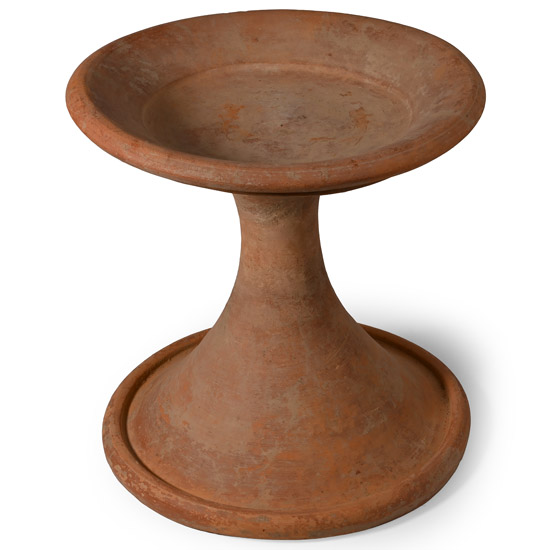
Large Bactrian Terracotta Chalice
1st millennium B.C.Sold for (Inc. bp): £169
Comprising a broad shallow bowl with carination, supported by a sturdy shank on a conical base. 5.1 kg, 30.2 cm
Ex Abelita family collection, 1980s-2000s.
