
Loading, please wait...
LOT 1659
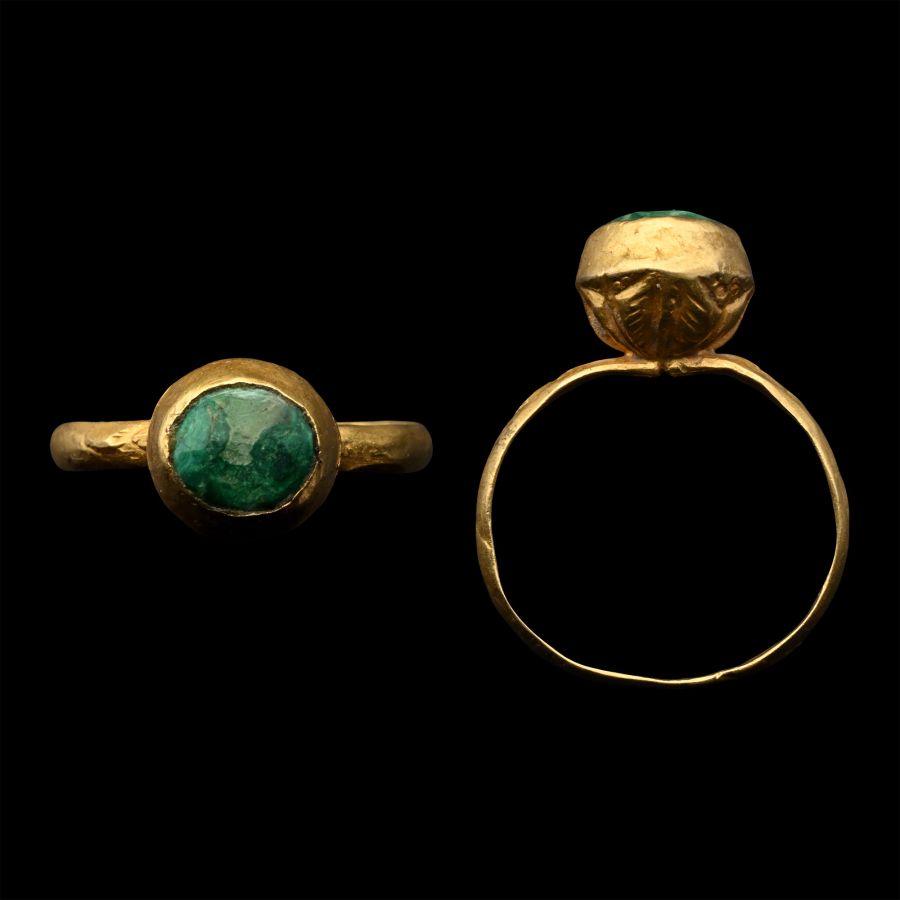
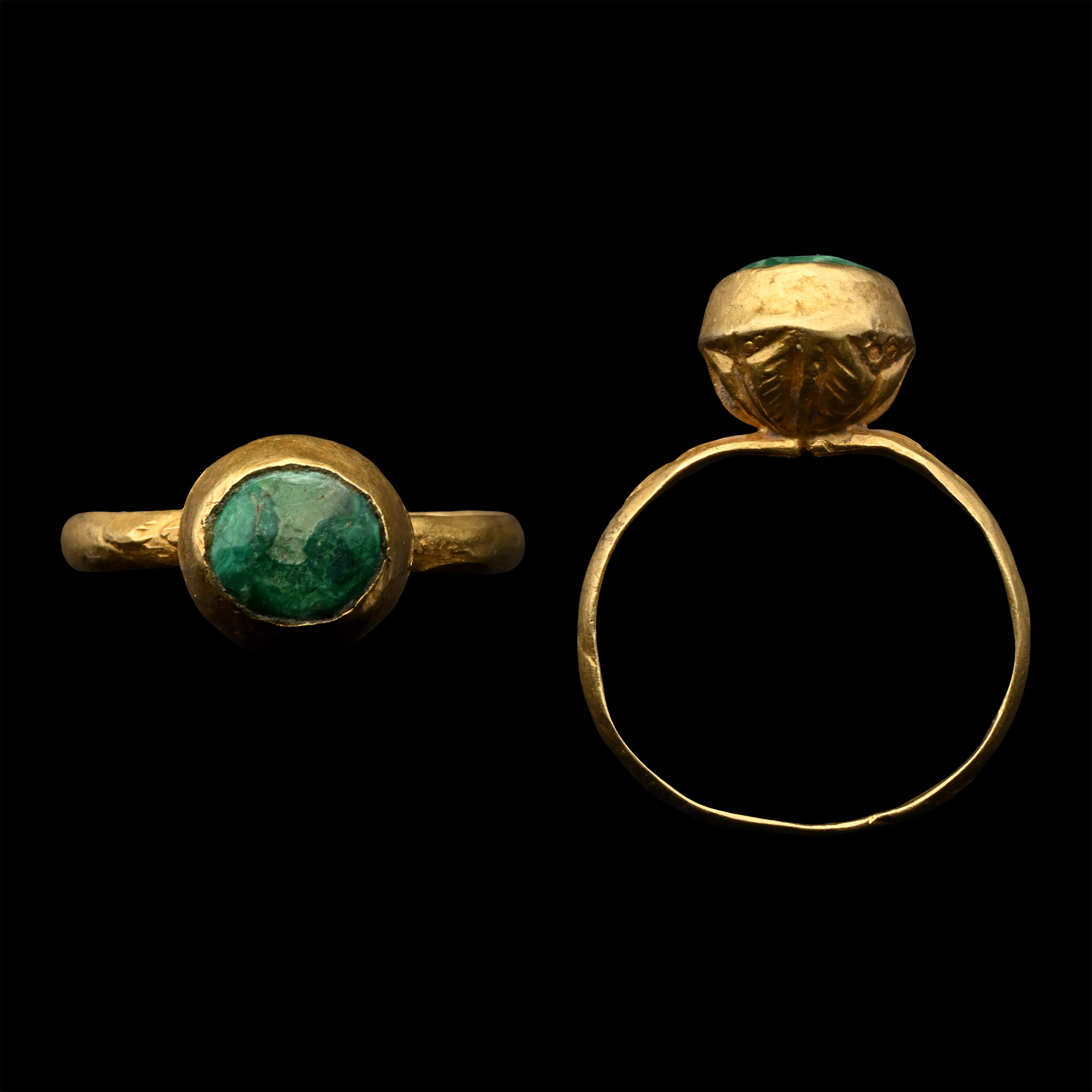
Western Asiatic Ring with Cabochon
LATE 19TH-20TH CENTURY A.D.
1 in. (3.04 grams, 25.80 mm overall, 18.32 x 16.08mm internal diameter (approximate size British O, USA 7, Europe 14.98, Japan 14)).
Biconvex bezel with petal detailing to the lower body, inset facetted cabochon. [No Reserve]
ProvenanceAcquired in the late 1980s-early 1990s.
Private collection, London, UK.
TimeLine Auctions follows a vetting process to ensure the authenticity and legality of all items, reinforcing our commitment to integrity and responsible trading. Each antiquity, antique, and coin lot undergoes thorough examination by a vetting committee of at least ten external specialists, professional trade association members, scientists, and archaeologists: Our Vetting Process
AUCTIONS:
TimeLine is a leading auction house specialising in antiquities, ancient art, collectables, natural history, coins, medals, and books. Our auctions offer museums, collectors, historians, and enthusiasts the opportunity to acquire unique and historically significant pieces.
-
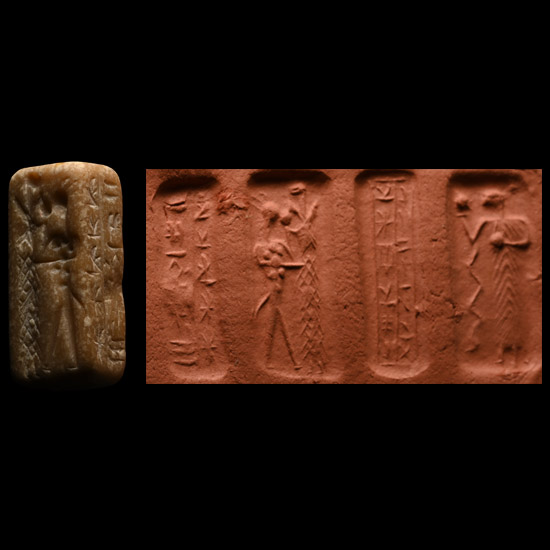
Mesopotamian Cream Steatite Four-Sided Seal with Figures and Cuneiform Text
Circa 2500 B.C.Sold for (Inc. bp): £546
Rectangular in section, each face with a carved panel: standing figure with chevron detailing to robe, zigzag beneath bent arm; two columns of cuneiform script; standing figure with rosette beside a hatched column with bird above; two columns of cuneiform script; with old dealer's ticket and collector's card; supplied with a museum-quality impression. 8.28 grams, 30.48 mm
From the private collection of the late Mr W. Magee, Hartlepool, County Durham, UK, 1960s-1990s, thence by descent. Accompanied by two previous cataloguing information cards. -
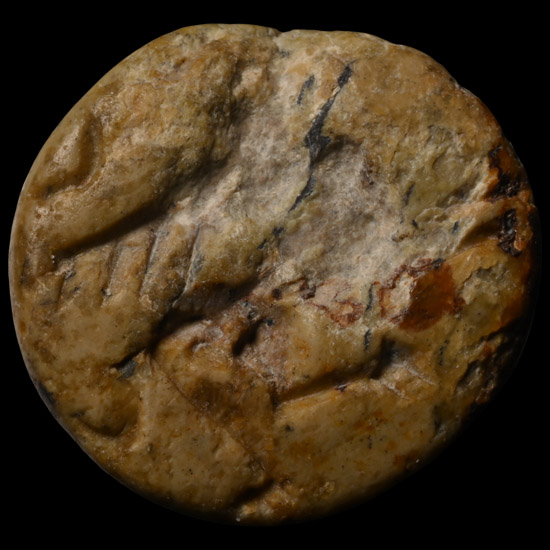
Western Asiatic Stone Stamp Seal with Engraved Design
1st millennium B.C.Estimate: £500 - 700 (+bp*)
Opening Bid: £250
Bell-shaped body with a ribbed loop above, the underside with an incuse image of a horned quadruped; supplied with a museum-quality impression. 9.88 grams, 27 mm
Acquired before 1983. Ex London gallery, 1990s. Private collection, London, UK. -
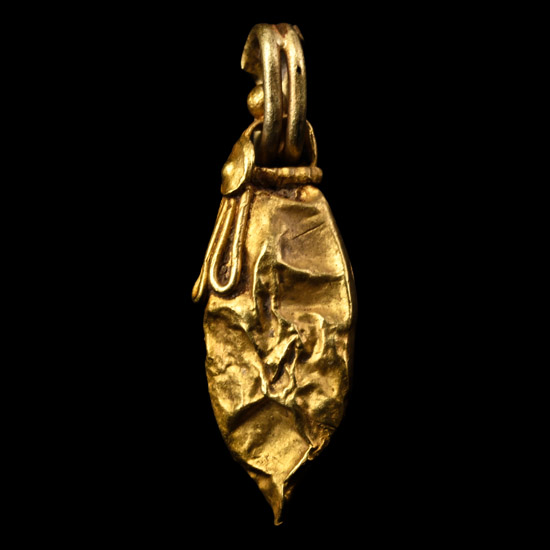
Western Asiatic Oval Gold Pendant
1st millennium B.C.Sold for (Inc. bp): £52
Comprising a hollow-form leaf-shaped pendant with applied filigree loops and a small boss beneath the ribbed suspension loop. 0.58 grams, 19 mm
Ex private British collection, formed in the 1980s. Property of a West Northamptonshire, UK, gentleman.
