
Loading, please wait...
LOT 1314
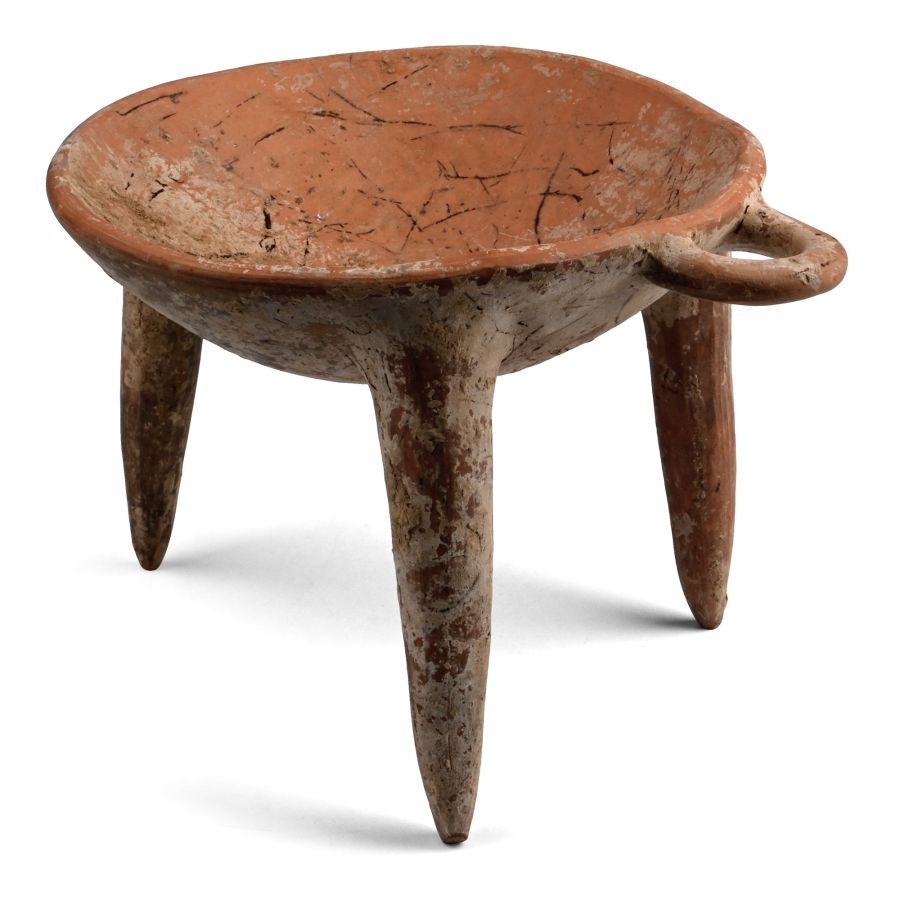
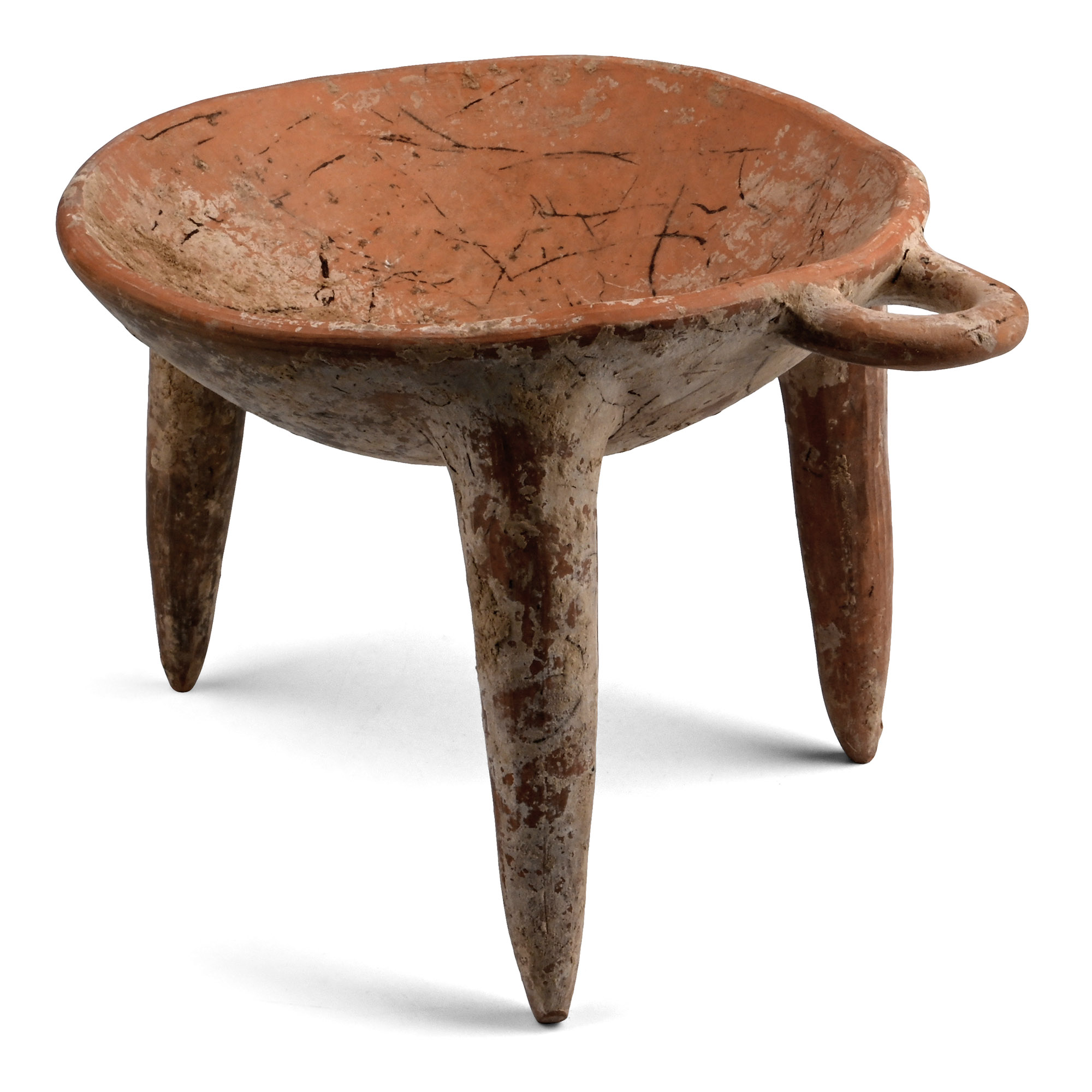
Western Asiatic Pottery Raised Tripod Dish
1ST MILLENNIUM B.C.
7 5/8 in. (635 grams, 19.5 cm wide).
Shallow discoid bowl with three slender slanting legs, loop handle below rim.
ProvenanceFrom the collection of a gentleman, 1988-2000s.
CONDITIONTimeLine Auctions follows a vetting process to ensure the authenticity and legality of all items, reinforcing our commitment to integrity and responsible trading. Each antiquity, antique, and coin lot undergoes thorough examination by a vetting committee of at least ten external specialists, professional trade association members, scientists, and archaeologists: Our Vetting Process
AUCTIONS:
TimeLine is a leading auction house specialising in antiquities, ancient art, collectables, natural history, coins, medals, and books. Our auctions offer museums, collectors, historians, and enthusiasts the opportunity to acquire unique and historically significant pieces.
-
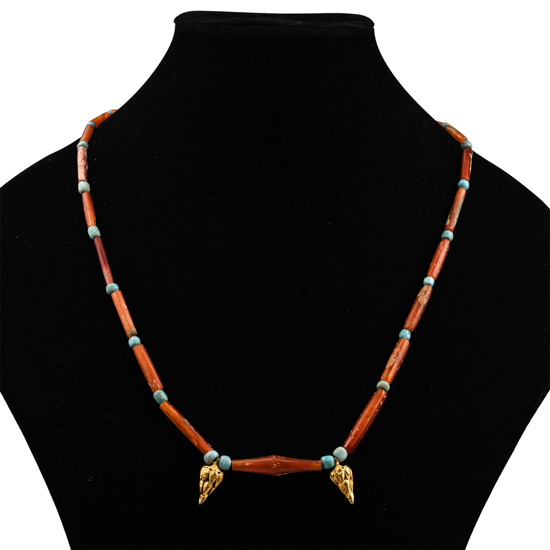
Western Asiatic Gold Necklace with Carnelian Beads and Gold Grape Pendants
1st-2nd century A.D.Estimate: £1,000 - 1,400 (+bp*)
Opening Bid: £500
Restrung group of tubular carnelian beads and turquoise spacer beads, with biconical centrepiece and two hollow-formed gold cluster drops. 26.12 grams, 59.5 cm
Acquired before 1983. Ex London gallery, 1990s. Private collection, London, UK. -
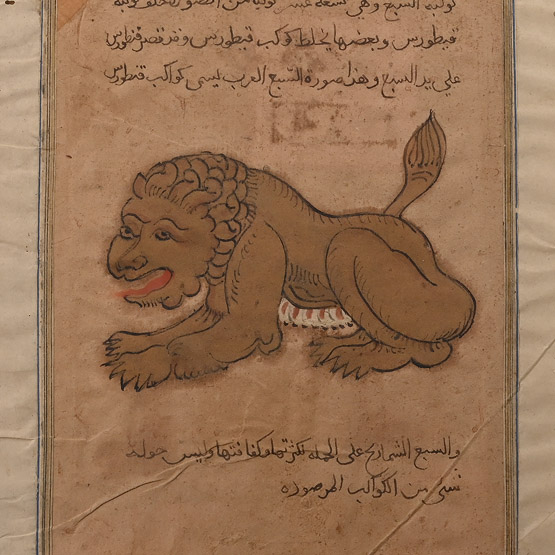
Framed Ottoman Painted Miniature Leaf with Lion
20th century A.D.Sold for (Inc. bp): £59
Rectangular hand-painted panel mounted in a reveal to display both sides: Side A - crouching lion between five lines of calligraphic text; Side B - geometric motifs between blocks of calligraphic text; mounted in a glazed wooden frame. 750 grams, 32.5 x 23.5 cm
Private collection, UK. -
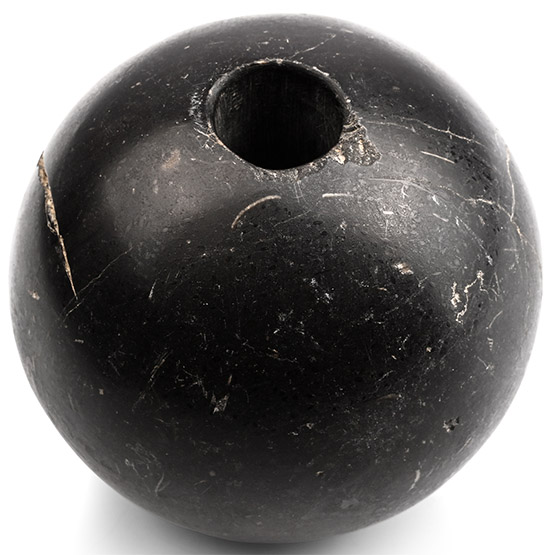
Large Western Asiatic Stone Macehead
3rd-2nd millennium B.C.Sold for (Inc. bp): £221
Carved as a sphere and polished, with tapering vertical socket. 1.34 kg, 10 cm
Private collection, UK.
