
Loading, please wait...
LOT 1839
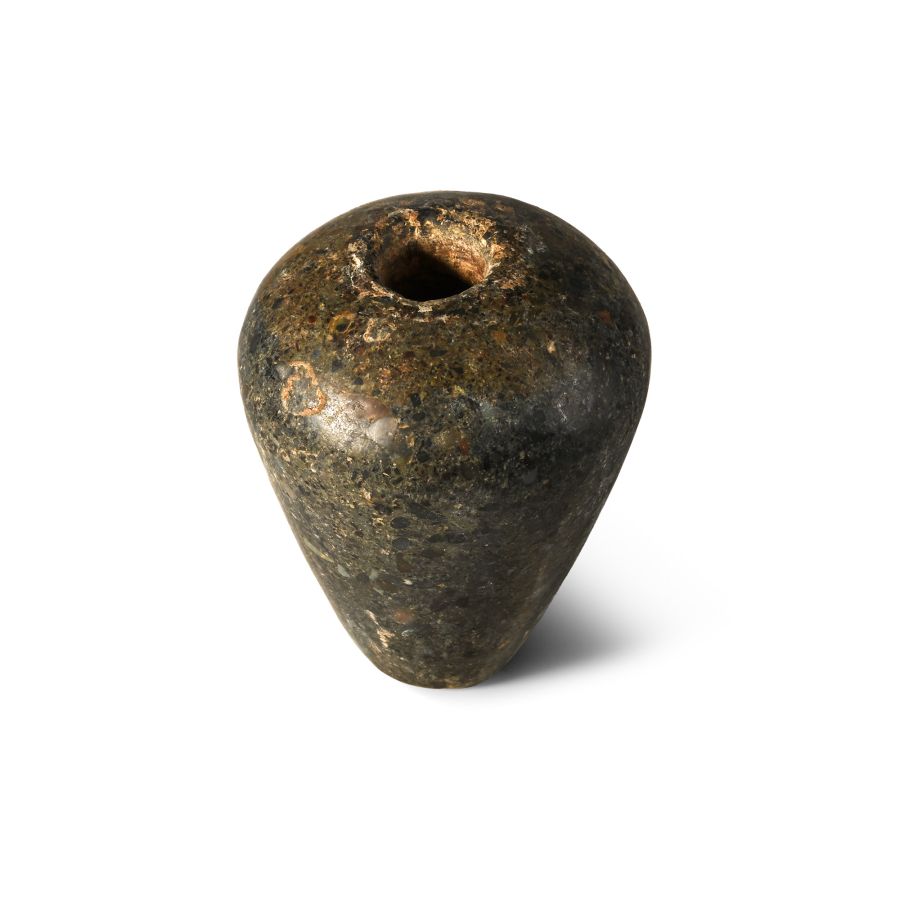
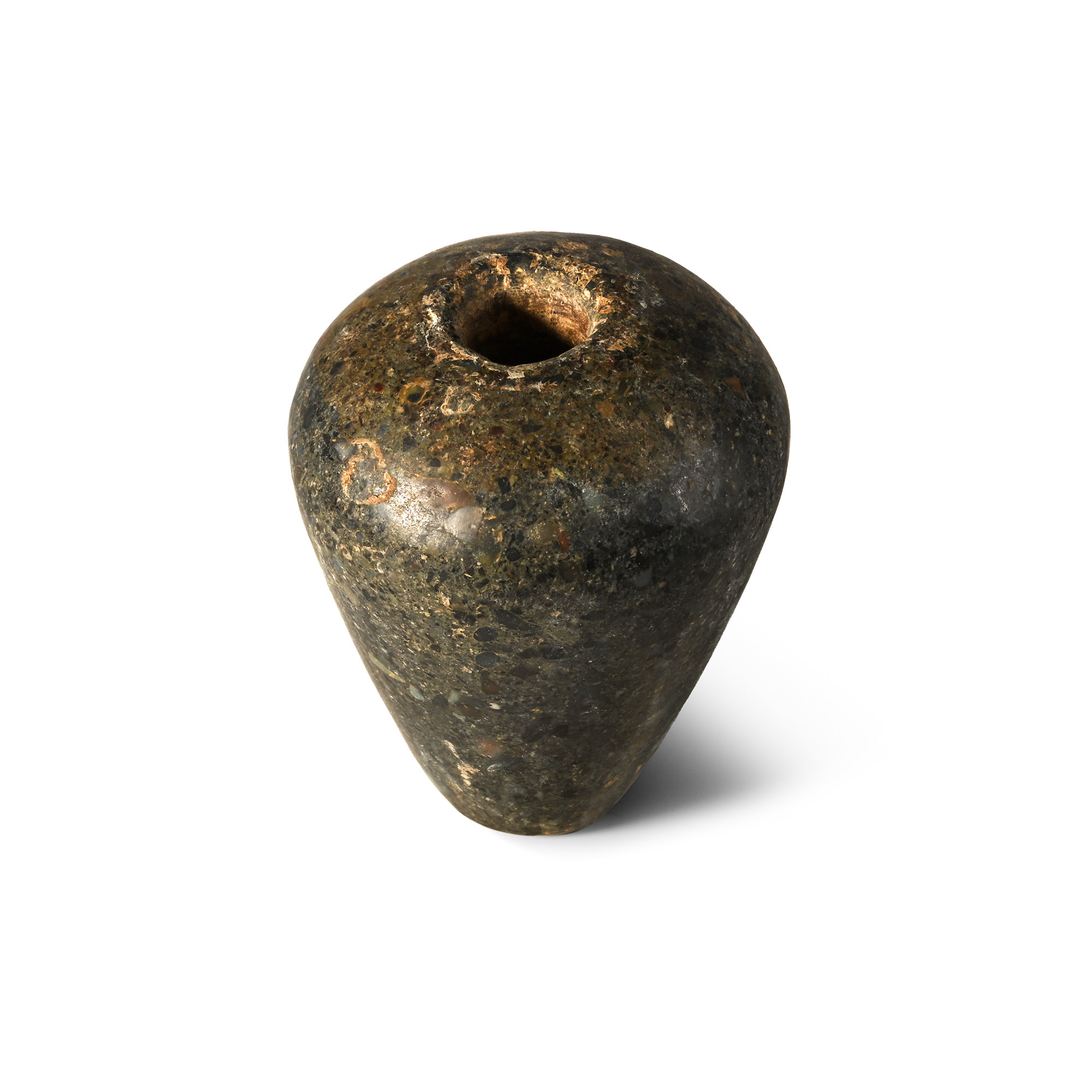
Western Asiatic Polished Stone Macehead
3RD-2ND MILLENNIUM B.C.
3 3/8 in. (435 grams, 86 mm).
Ovoid body with circular socket.
ProvenanceFrom the collection of a London, UK, gentleman, 1990s.
LiteratureCf. Gorelik, M., Weapons of Ancient East, IV millennium BC-IV century BC,Saint Petersburg, 2003, pl.XXXI, no.30, for type.
CONDITIONTimeLine Auctions follows a vetting process to ensure the authenticity and legality of all items, reinforcing our commitment to integrity and responsible trading. Each antiquity, antique, and coin lot undergoes thorough examination by a vetting committee of at least ten external specialists, professional trade association members, scientists, and archaeologists: Our Vetting Process
AUCTIONS:
TimeLine is a leading auction house specialising in antiquities, ancient art, collectables, natural history, coins, medals, and books. Our auctions offer museums, collectors, historians, and enthusiasts the opportunity to acquire unique and historically significant pieces.
LOT 1839
Western Asiatic Polished Stone Macehead
Estimate £100 - 140€120 - 160 (for guidance only)$140 - 190 (for guidance only)
-
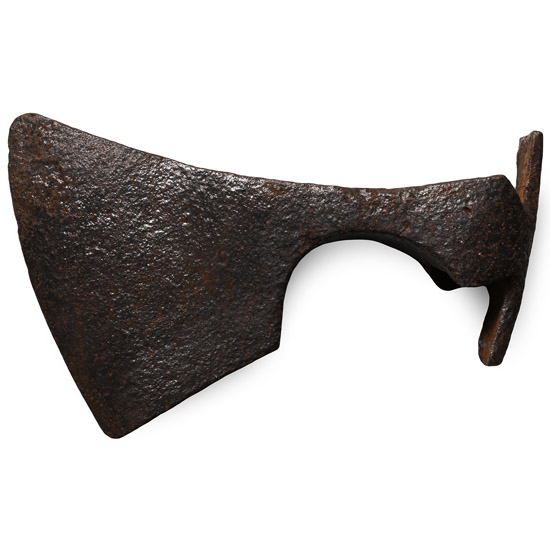
Viking Age Iron Bearded Axehead
Circa 9th-11th century A.D.Sold for (Inc. bp): £260
With a broad, curved blade and a narrow neck, a round socket with an extended edge to the reverse. 358 grams, 15.1 cm
Ex North American collection, 1970s-1980s. -
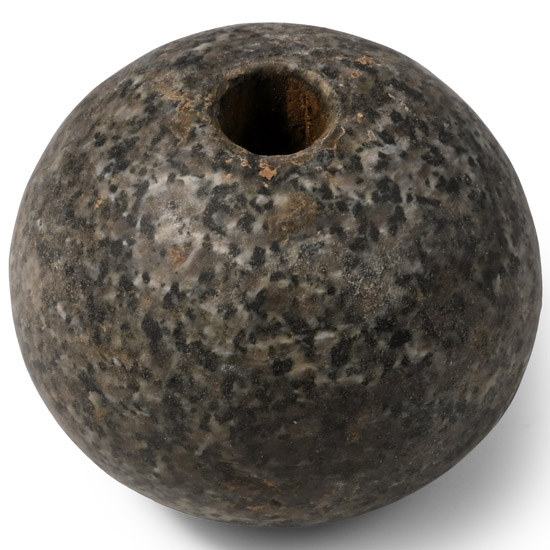
Western Asiatic Stone Macehead
3rd-2nd millennium B.C.Sold for (Inc. bp): £46
Doughnut-shaped body and a round socket. 211 grams, 55 mm
From a London, UK, collection, 2000s. Property of an Essex, UK, gentleman. -
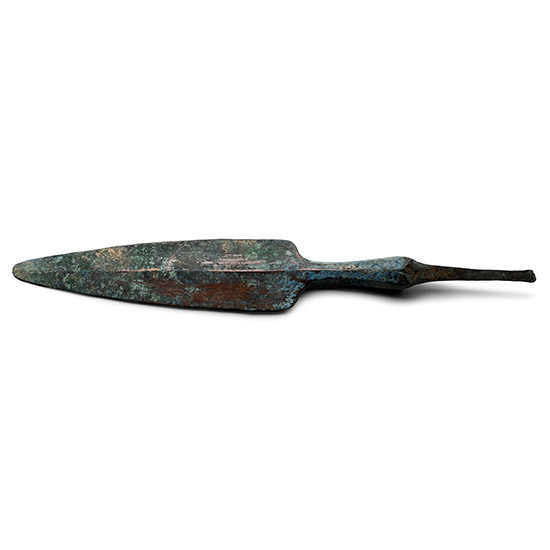
Western Asiatic Bronze Tanged Spearhead
12th-11th century B.C.Sold for (Inc. bp): £195
Comprising a triangular blade with a facetted, flaring neck and a rectangular-section tang. 288 grams, 30 cm
Ex Abelita family collection, 1980s-2000s.
The weapon belongs to the type 1 of the spear-head classification of Khorasani, mainly originating from Marlik or Amlash areas. Similar pieces have been dated by Stutzinger to 1200-1100 B.C.
