
Loading, please wait...
LOT 1588
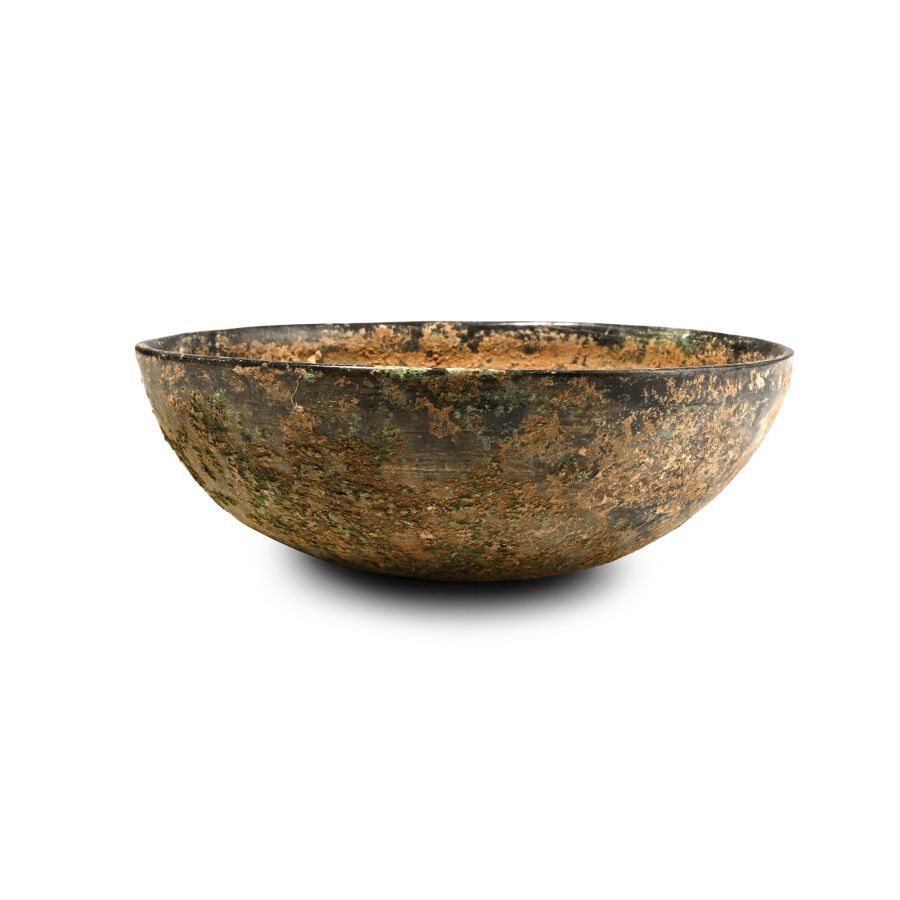
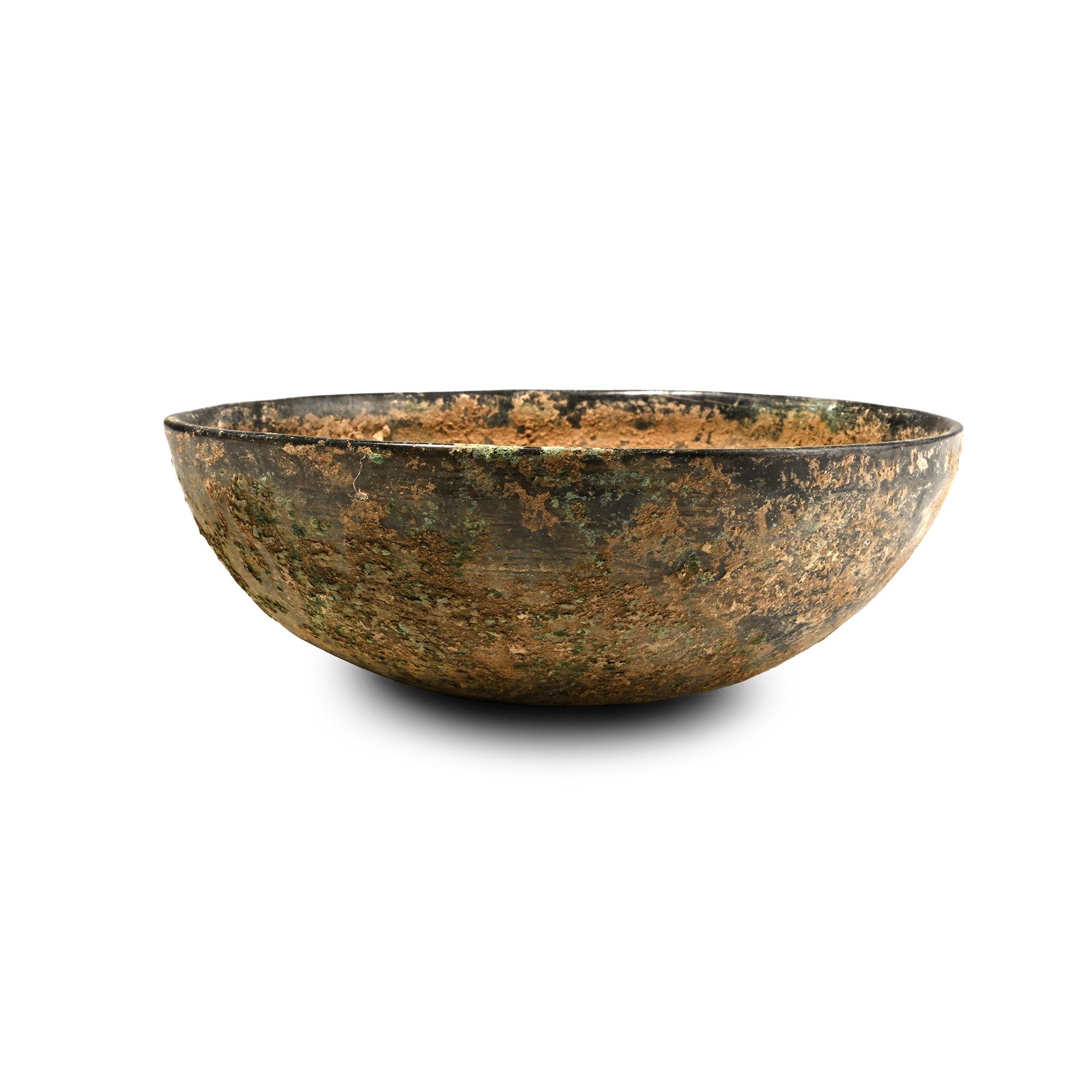
Western Asiatic Polished Bronze Bowl
LATE 1ST MILLENNIUM B.C.
6 in. (375 grams, 15.2 cm).
Hemispherical body with slightly thickened rim. [No Reserve]
ProvenanceEx Abelita family collection, 1980s-2000s.
CONDITIONTimeLine Auctions follows a vetting process to ensure the authenticity and legality of all items, reinforcing our commitment to integrity and responsible trading. Each antiquity, antique, and coin lot undergoes thorough examination by a vetting committee of at least ten external specialists, professional trade association members, scientists, and archaeologists: Our Vetting Process
AUCTIONS:
TimeLine is a leading auction house specialising in antiquities, ancient art, collectables, natural history, coins, medals, and books. Our auctions offer museums, collectors, historians, and enthusiasts the opportunity to acquire unique and historically significant pieces.
-
.jpg)
Neo-Babylonian Black Stone Duck Weight with Cuneiform Inscription
Circa 600-500 B.C.Sold for (Inc. bp): £1,300
Carved in the round as a duck with its head laid back along its spine; pierced and inscribed on one flank. 9.30 grams, 27 mm
UK private collection before 2000. Acquired on the UK art market. Private collection, London, UK. -
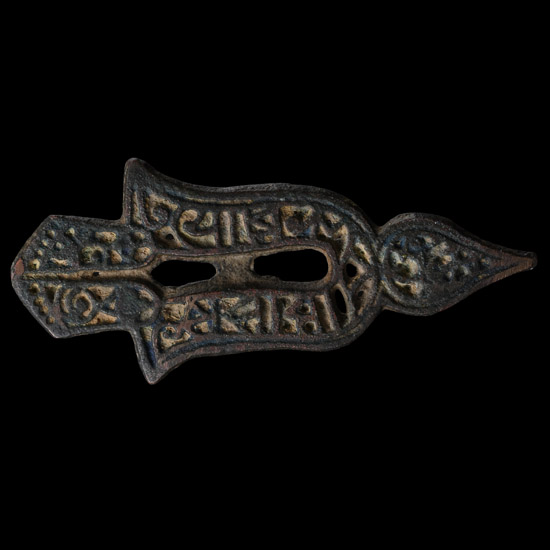
Western Asiatic Bronze Mount
Circa 14th-16th century A.D.Sold for (Inc. bp): £13
Bell-shaped in plan with ovoid finial, central void, reserved text; mounting lug to reverse. 38.2 grams, 92 mm
From the private collection of a European gentleman (1942-2024), formed since the 1970s. -
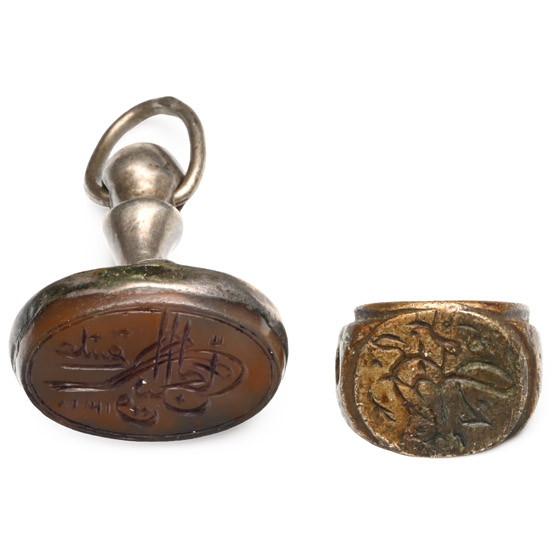
Western Asiatic Engraved Calligraphic Stamp Seal Group
Late 19th-20th century A.D.Sold for (Inc. bp): £59
Comprising: a chess piece silver seal matrix, the lower rim set with turquoise coloured glass cabochon indicating the direction of the seal, set with a dark carnelian intaglio engraved with a calligraphic inscription; a bronze seal bead with three faces, two with an inscription, and one showing a bird with open wings standing on a branch; supplied with a museum-quality impression. 10.82 grams total, 13-25 mm
Acquired in the late 1980s-early 1990s. Private collection, London.
