
Loading, please wait...
LOT 0969
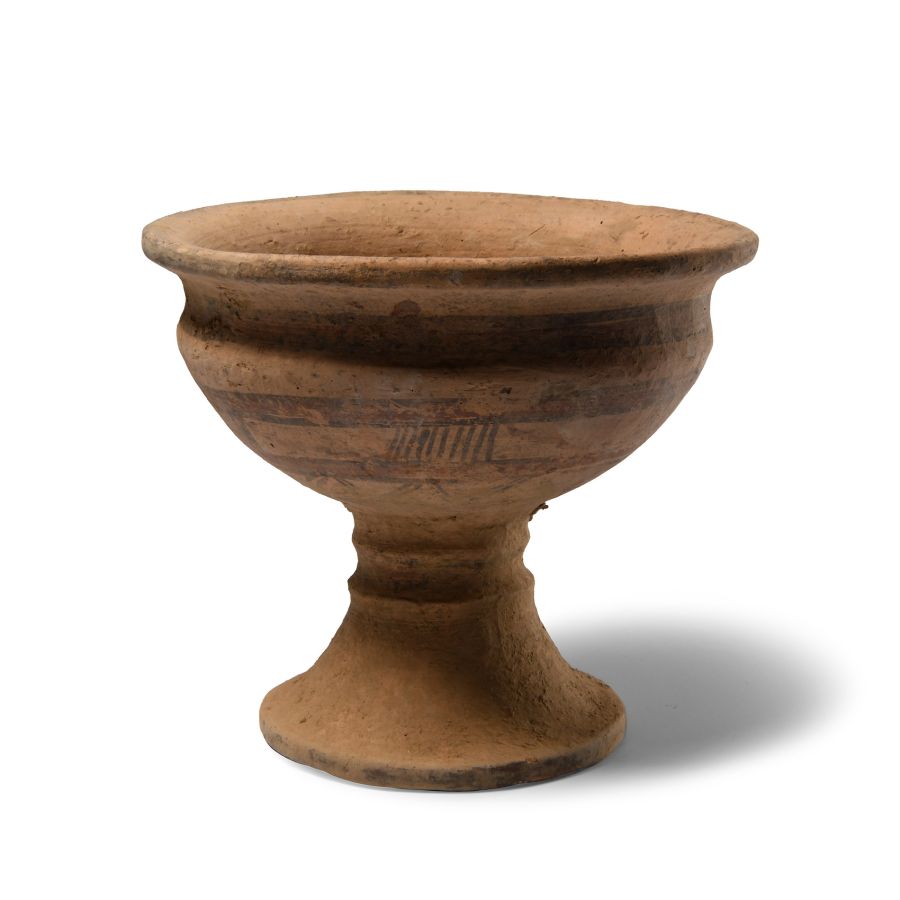
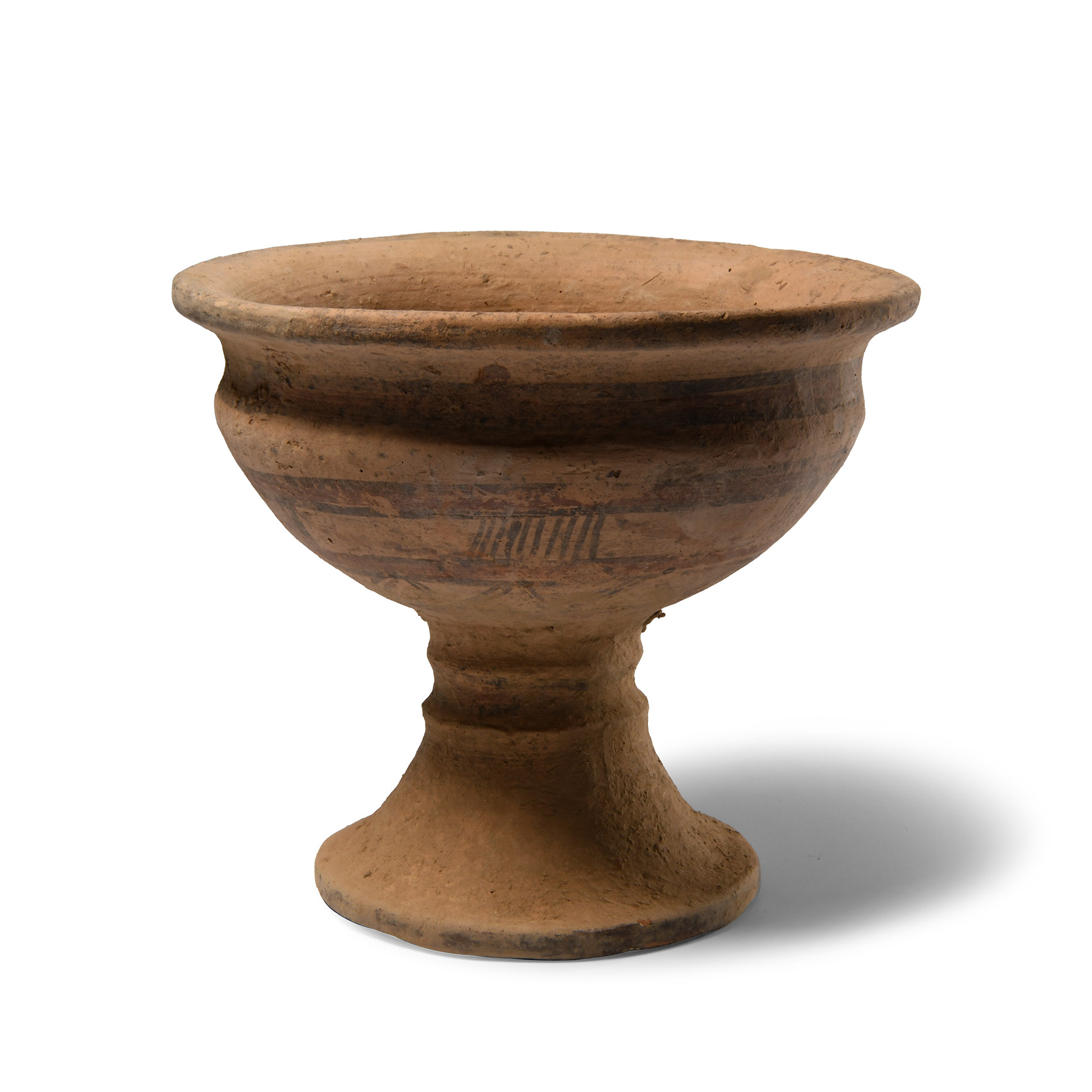
Western Asiatic Painted Pottery Chalice
2ND-1ST MILLENNIUM B.C.
5 in. (483 grams, 13 cm high).
Composed of a bowl with convex wall, everted rim and splayed foot; painted with a frieze of black and crimson geometric motifs to the exterior; base repaired. [No Reserve]
ProvenanceAcquired 1980-2015.
Ex Abelita family collection.
TimeLine Auctions follows a vetting process to ensure the authenticity and legality of all items, reinforcing our commitment to integrity and responsible trading. Each antiquity, antique, and coin lot undergoes thorough examination by a vetting committee of at least ten external specialists, professional trade association members, scientists, and archaeologists: Our Vetting Process
AUCTIONS:
TimeLine is a leading auction house specialising in antiquities, ancient art, collectables, natural history, coins, medals, and books. Our auctions offer museums, collectors, historians, and enthusiasts the opportunity to acquire unique and historically significant pieces.
-
Western Asiatic Stone Butterfly Bead Necklace String
4th millennium B.C.Sold for (Inc. bp): £286
Restrung designer group of butterfly-shaped steatite beads with a feature pendant with two oval and one oblate bead. 25.6 grams, 54 cm long
Acquired 1980-2015. Ex Abelita family collection. -
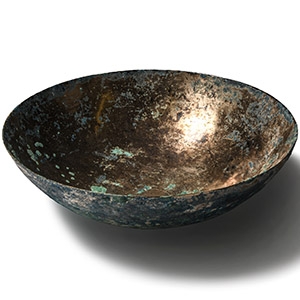
Achaemenid Tinned Bronze Bowl
Circa 7th-4th century B.C.Sold for (Inc. bp): £104
With high tin content, the body formed with a D-section wall and rounded base, cracked. 145 grams, 16 cm wide
Acquired 1980-2015. Ex Abelita family collection. -
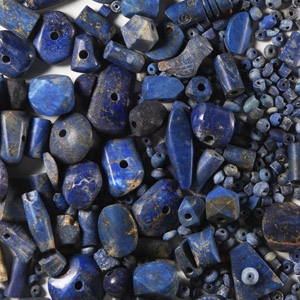
Western Asiatic Lapis Lazuli Necklace Bead Collection
20th century A.D. and earlierSold for (Inc. bp): £39
Comprising a large quantity of beads including oblate seed beads, large tubular, facetted and discoid beads, and one shaped as a bird. 89 grams total, 2-21 mm
UK gallery, early 2000s.
