
Loading, please wait...
LOT 0964
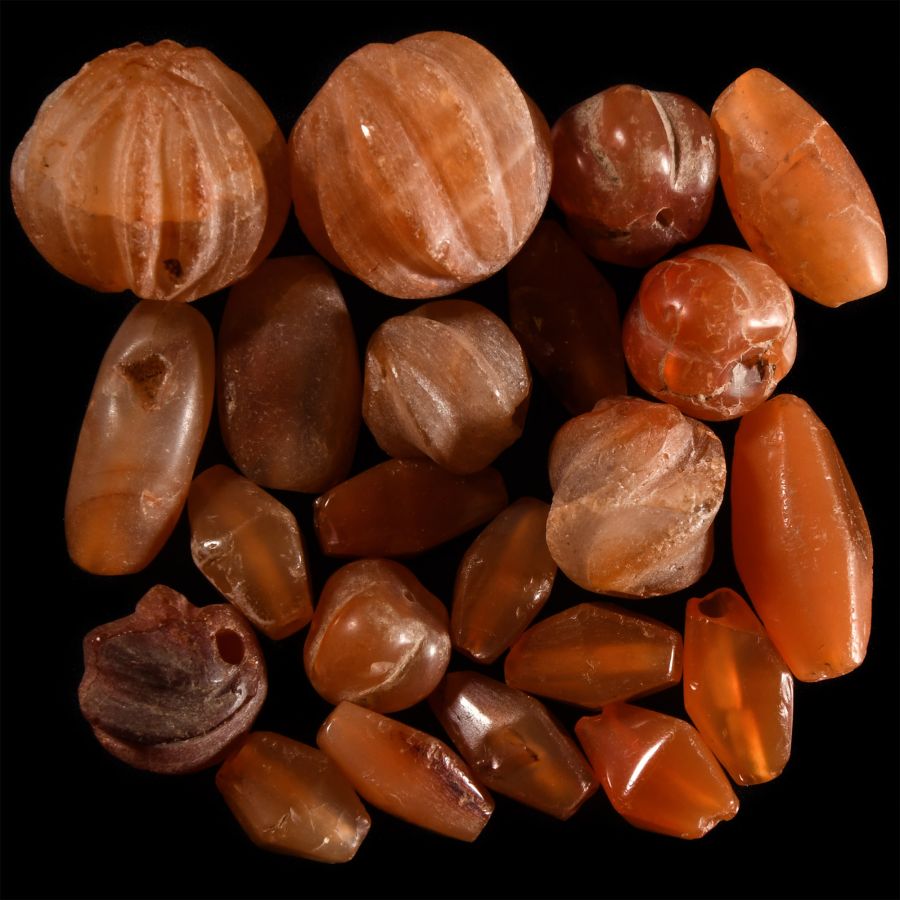
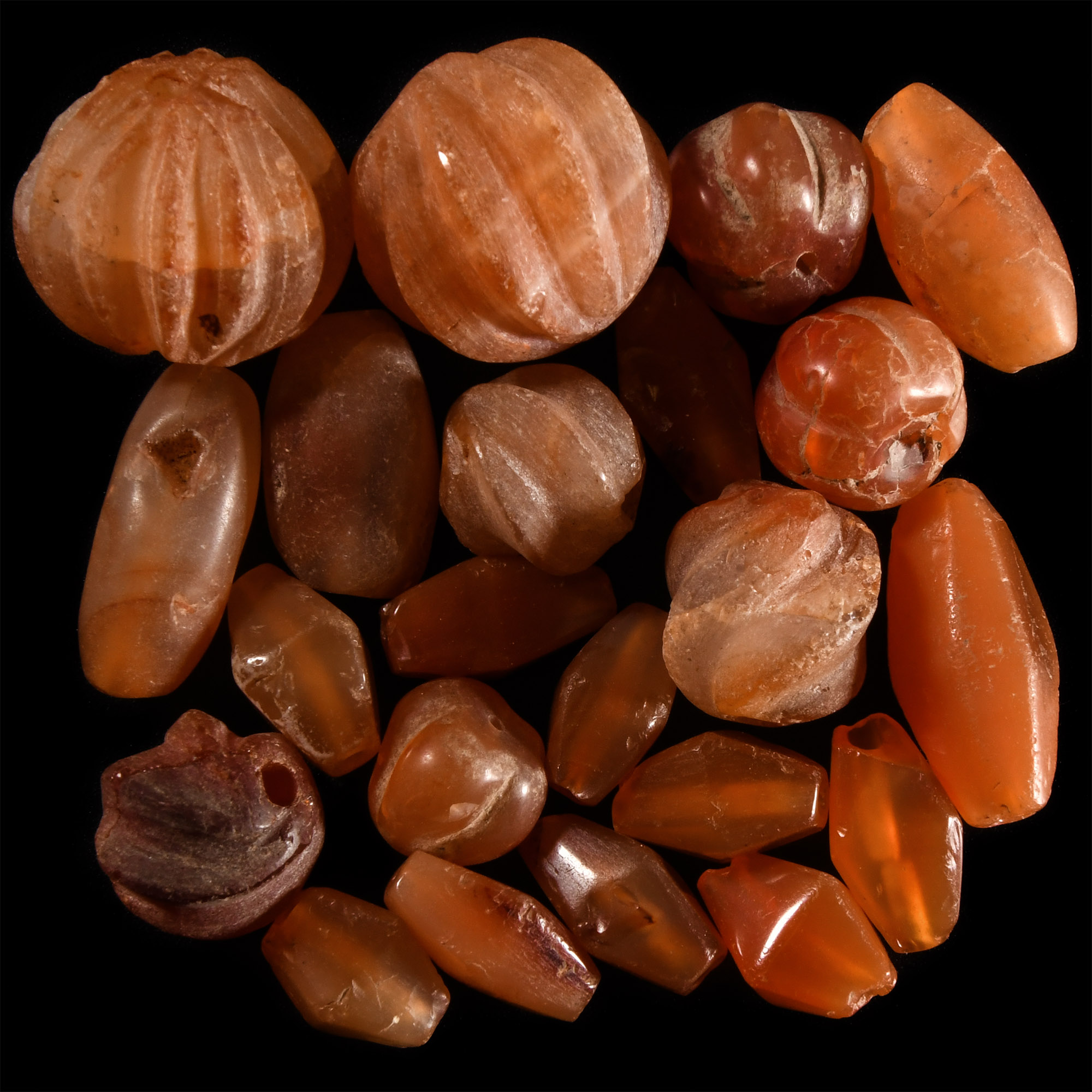
Western Asiatic Orange Carnelian Bead Group
1ST MILLENNIUM B.C. OR LATER
3/8 - 1 in. (50.8 grams total, 11-25 mm).
Comprising polished and 'natural' beads of mainly melon, facetted bicone and oval types. [22, No Reserve]
ProvenanceUK gallery, early 2000s.
CONDITIONTimeLine Auctions follows a vetting process to ensure the authenticity and legality of all items, reinforcing our commitment to integrity and responsible trading. Each antiquity, antique, and coin lot undergoes thorough examination by a vetting committee of at least ten external specialists, professional trade association members, scientists, and archaeologists: Our Vetting Process
AUCTIONS:
TimeLine is a leading auction house specialising in antiquities, ancient art, collectables, natural history, coins, medals, and books. Our auctions offer museums, collectors, historians, and enthusiasts the opportunity to acquire unique and historically significant pieces.
-
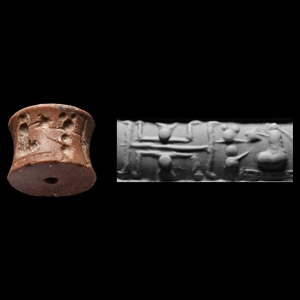
Western Asiatic Jasper Cylinder Seal with Seated Figures
Circa 3rd millennium B.C.Sold for (Inc. bp): £286
Cotton-reel type with drilled frieze of serpents, seated figures and other items. 13.6 grams, 22 mm
Acquired 1970s-1996. Property of a North American collector, collection no.070. London collection, 2016. -
.jpg)
Western Asiatic Bronze Lion Censer Lid
11th-12th century A.D.Estimate: £1,500 - 2,000 (+bp*)
Opening Bid: £776
Formed with stylised features, an ovoid face, openwork eyes, triangular nose, ears pricked forwards and decorative openwork panels to the neck; mounted on a custom-made display base. 393 grams total, 13.5 cm high including stand
French collection, 1960s-early 2000s. From an important Paris gallery, France.
Zoomorphic incense burners were popular during the Seljuk period. When complete, coal and incense could be placed inside the burner and the scented smoke would escape through the pierced areas. -
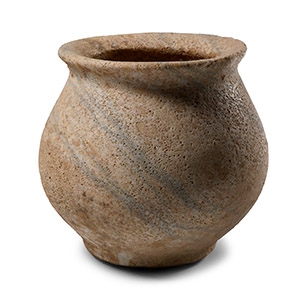
Mesopotamian Alabaster Jar
4th millennium B.C.Sold for (Inc. bp): £468
With globular body, narrow base, broad flared rim with lip. 528 grams, 9.5 cm high
Ex M. Braham, and Lord McAlpine collections, 1980-1990.
