
Loading, please wait...
LOT 0241
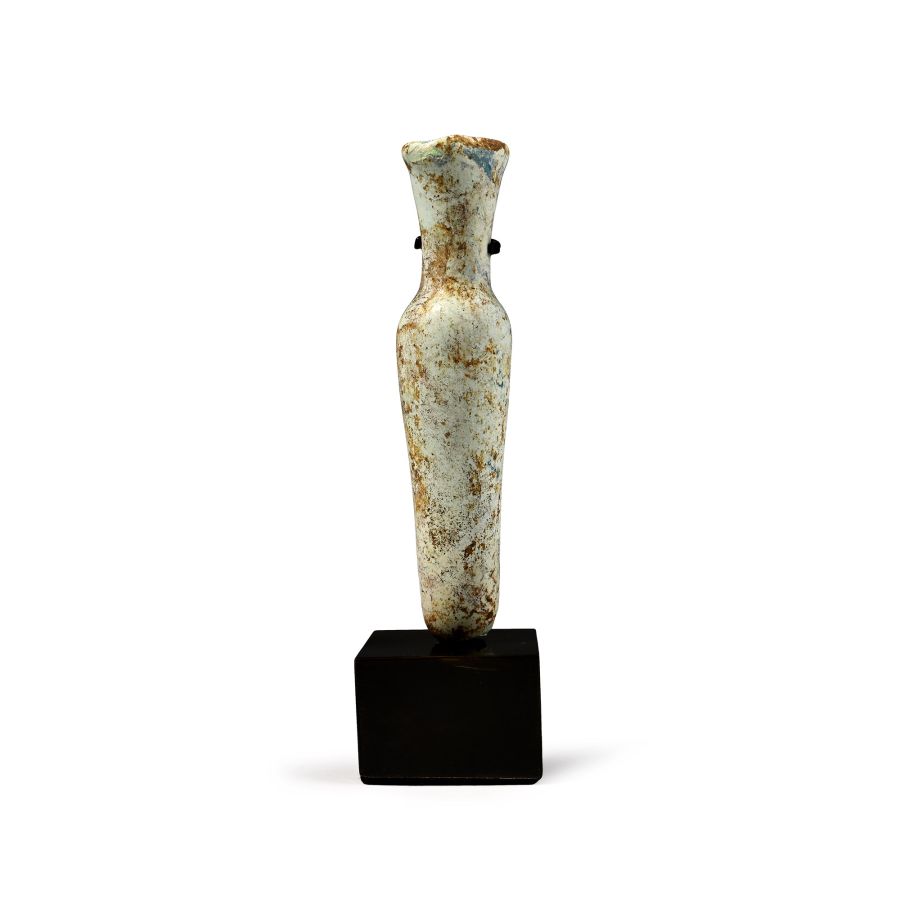
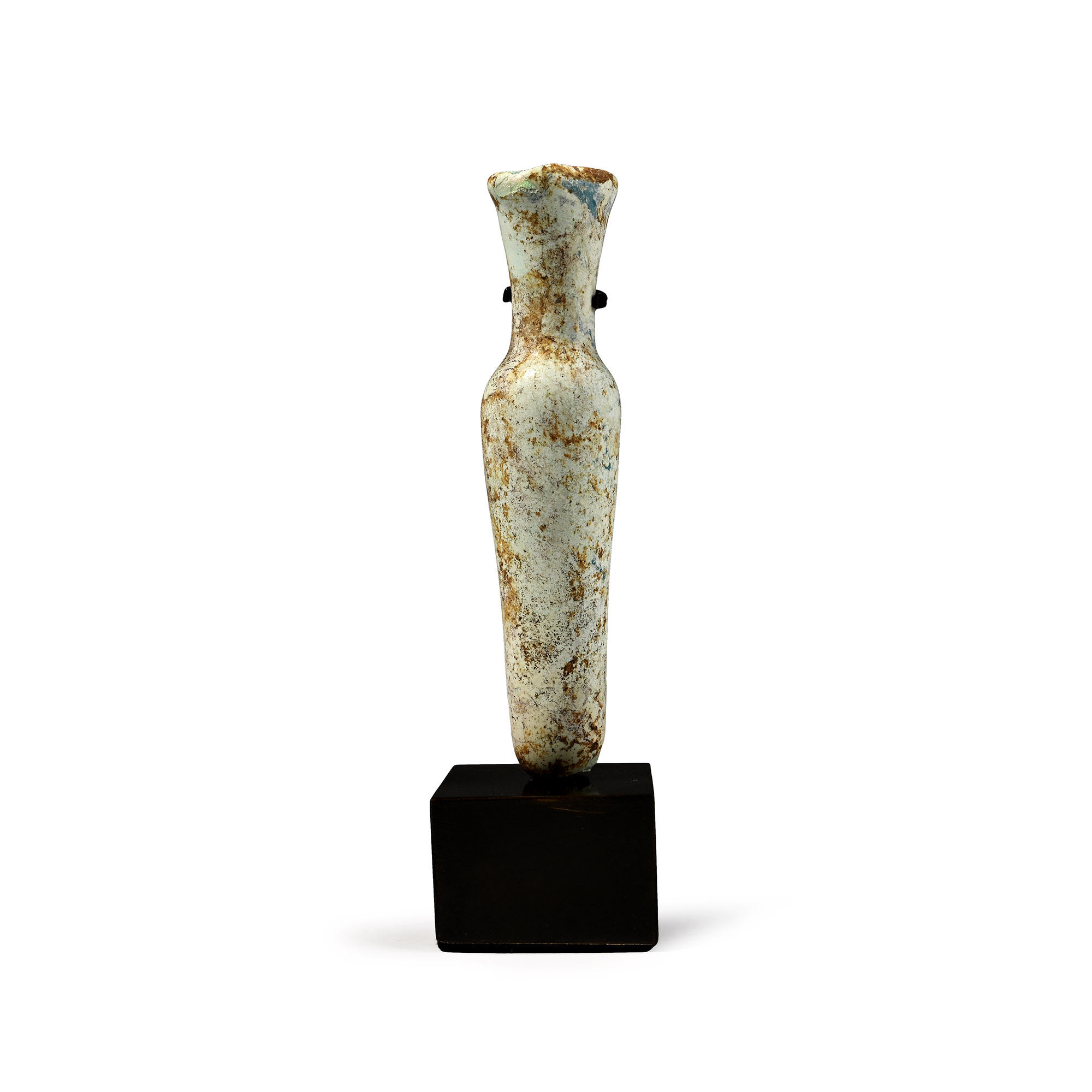
Western Asiatic Opaque Glass Vessel
9TH-10TH CENTURY A.D.
4 1/8 in. (5 1/4 in.) (28.5 grams, 10.6 cm (91.1 grams total, 13.2 cm including stand)).
Piriform body and funicular neck; accompanied by a custom-made display stand.
ProvenanceFrom an important London, UK, collection 1980-2020.
LiteratureCf. Kunstmuseum Luzern, 3000 Jahre Glaskunst, Luzern, 1981, no.576, p.132, for the type of flask.
FootnotesThese small flasks are typical in shape and dimensions, produced by the Egyptian or Syrian workshops of the Fatimid Empire. They were realised in ultramarine blue, slightly translucent glass, free-blown, and with a snapped-off base.
CONDITIONTimeLine Auctions follows a vetting process to ensure the authenticity and legality of all items, reinforcing our commitment to integrity and responsible trading. Each antiquity, antique, and coin lot undergoes thorough examination by a vetting committee of at least ten external specialists, professional trade association members, scientists, and archaeologists: Our Vetting Process
AUCTIONS:
TimeLine is a leading auction house specialising in antiquities, ancient art, collectables, natural history, coins, medals, and books. Our auctions offer museums, collectors, historians, and enthusiasts the opportunity to acquire unique and historically significant pieces.
LOT 0241
Western Asiatic Opaque Glass Vessel
Estimate £400 - 600€460 - 700 (for guidance only)$540 - 810 (for guidance only)
-
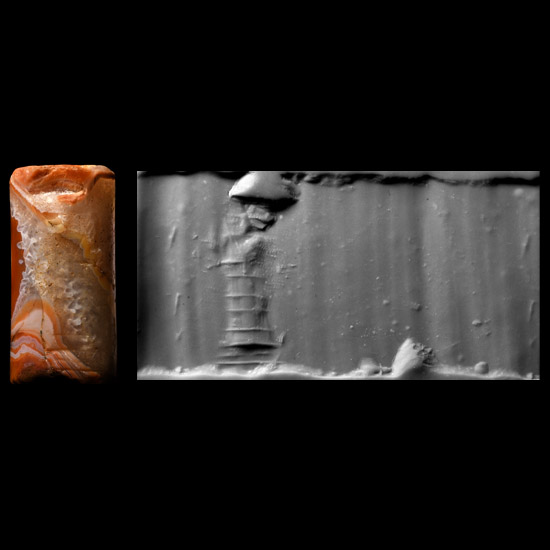
Western Asiatic Orange Banded Agate Cylinder Seal with Figure
1st millennium B.C.Sold for (Inc. bp): £85
Profile figure standing, wearing a tiered and flounced floor-length robe; chipped; supplied with a museum-quality impression. 10.2 grams, 28 mm
From the private collection of a European gentleman (1942-2024), formed since the 1970s. -
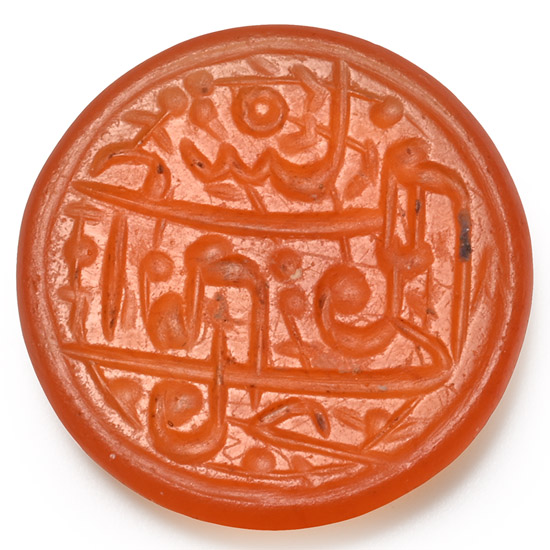
Western Asiatic Engraved Carnelian Calligraphic Intaglio
Late 19th-20th century A.D.Sold for (Inc. bp): £65
A circular intaglio with a two-line inscription; supplied with a museum-quality impression. 1.67 grams, 16 mm
Acquired in the late 1980s-early 1990s. Private collection, London. -
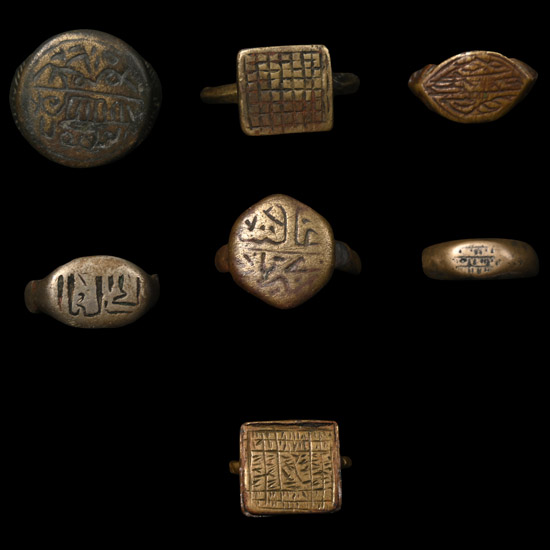
Western Asiatic Bronze Ring Collection
Circa 16th-18th century A.D.Sold for (Inc. bp): £111
Comprising seven rings, each with a decorative bezel, one fragmentary. 43.3 grams total, 18-27 mm
Acquired in the late 1980s-early 1990s. Private collection, London, UK
