
Loading, please wait...
LOT 1253
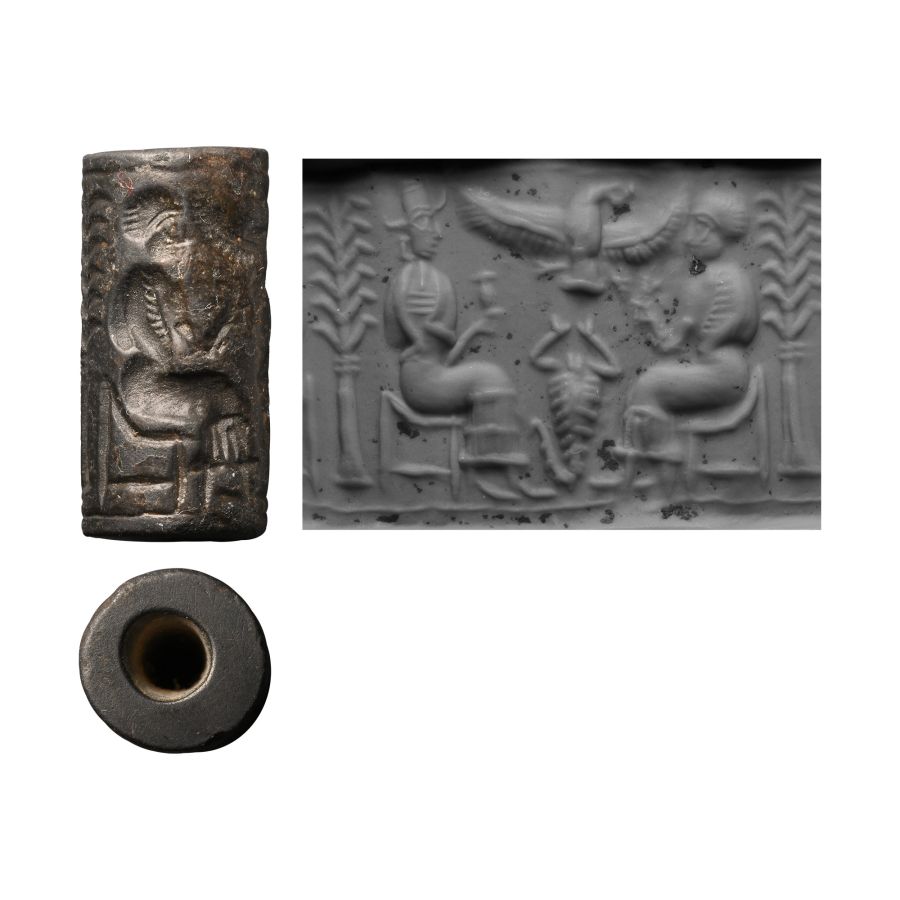
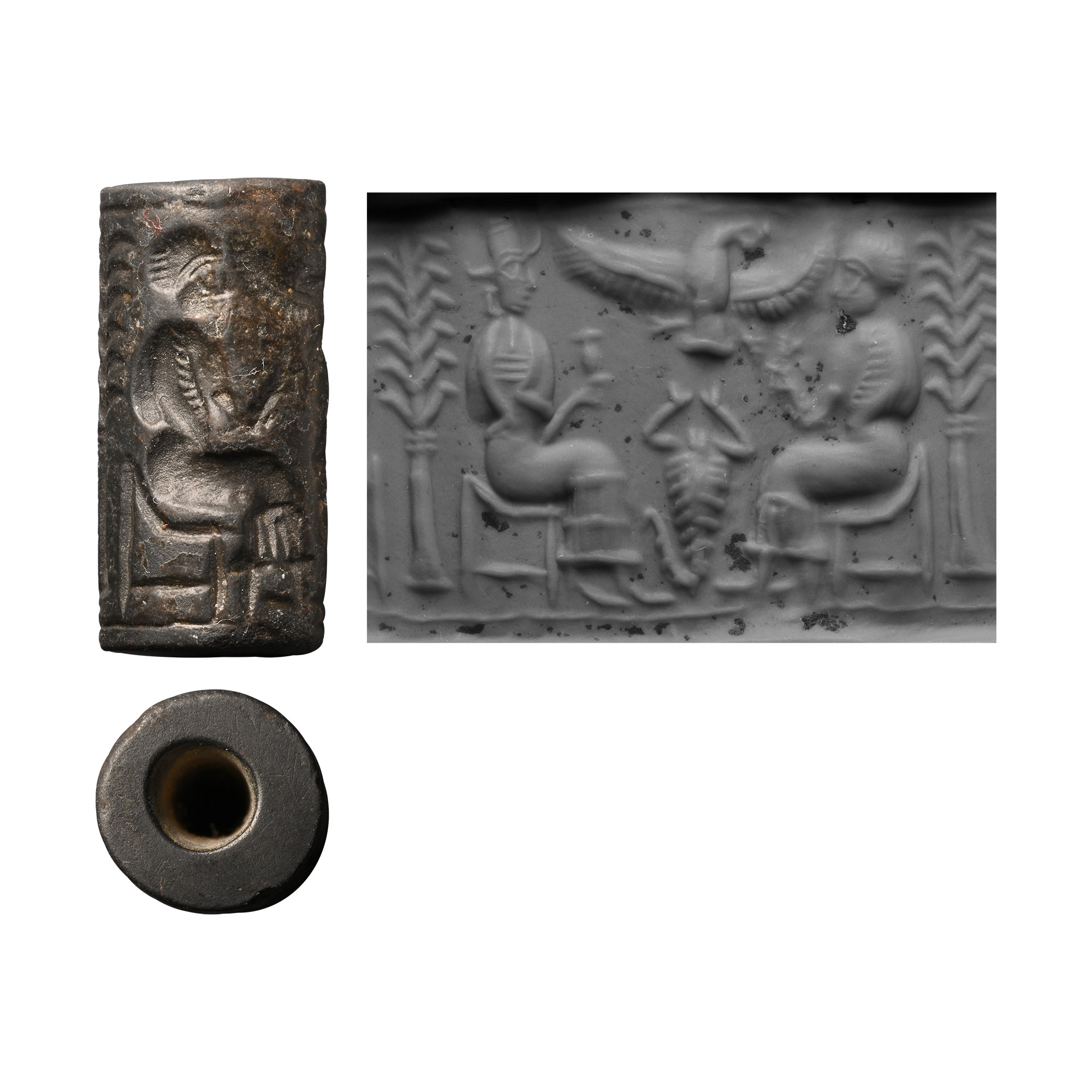
Western Asiatic Old Babylonian Haematite Cylinder Seal
EARLY 2ND MILLENNIUM B.C.
3/4 in. (5.35 grams, 20 mm).
With frieze comprising two seated figures facing each other, each holding a cup in one hand, farahavar above and rearing scorpion below; frond scene divider; supplied with a museum-quality impression.
ProvenanceFrom the 'S' collection, acquired 1970-1990s.
The collection was seen and studied by W.G. Lambert, late Professor of Assyriology at the University of Birmingham, 1970-1993.
This lot has been cleared against the Art Loss Register database, and is accompanied by an illustrated lot declaration signed by the Head of the Antiquities Department, Dr Raffaele D'Amato.
Cf. Teissier, B., Ancient Near Eastern Cylinder Seals in the Marcopoli Collection, Berkeley, 1984, item 97, for type.
CONDITIONTimeLine Auctions follows a vetting process to ensure the authenticity and legality of all items, reinforcing our commitment to integrity and responsible trading. Each antiquity, antique, and coin lot undergoes thorough examination by a vetting committee of at least ten external specialists, professional trade association members, scientists, and archaeologists: Our Vetting Process
AUCTIONS:
TimeLine is a leading auction house specialising in antiquities, ancient art, collectables, natural history, coins, medals, and books. Our auctions offer museums, collectors, historians, and enthusiasts the opportunity to acquire unique and historically significant pieces.
-
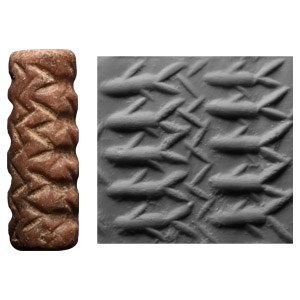
Sumerian Cylinder Seal with Fishes
3rd millennium B.C.Estimate: £300 - 400 (+bp*)
Opening Bid: £150
With frieze of fishes in profile within a field of zigzag lines. 11.5 grams, 37 mm
From the 'S' collection, acquired 1970-1990s. The collection was seen and studied by W.G.Lambert, late Professor of Assyriology at the University of Birmingham, 1970-1993. This lot has been cleared against the Art Loss Register database, and is accompanied by an illustrated lot declaration signed by the Head of the Antiquities Department, Dr Raffaele D'Amato. -
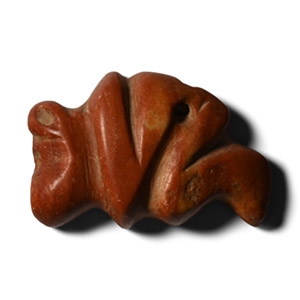
Jemdet Nasr Type Pink Stone Animal Seal
Late 4th-early 3rd millennium B.C.Sold for (Inc. bp): £351
Plano-convex in section with ribbed obverse, hooked beak, drilled suspension holes; drilled pattern to reverse. 17.8 grams, 41 mm
Acquired 1979-1999. London collection of the late Mr S.M., thence by descent. This lot has been cleared against the Art Loss Register database, and is accompanied by an illustrated lot declaration signed by the Head of the Antiquities Department, Dr Raffaele D'Amato. -
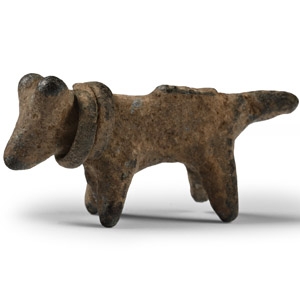
Luristan Bronze Animal
13th-7th century B.C.Sold for (Inc. bp): £143
Modelled in the round with applied halter to the neck. 9.09 grams, 33 mm
Acquired 1980-2015. Ex Abelita family collection. This lot has been cleared against the Art Loss Register database, and is accompanied by an illustrated lot declaration signed by the Head of the Antiquities Department, Dr Raffaele D'Amato.
