
Loading, please wait...
LOT 1353
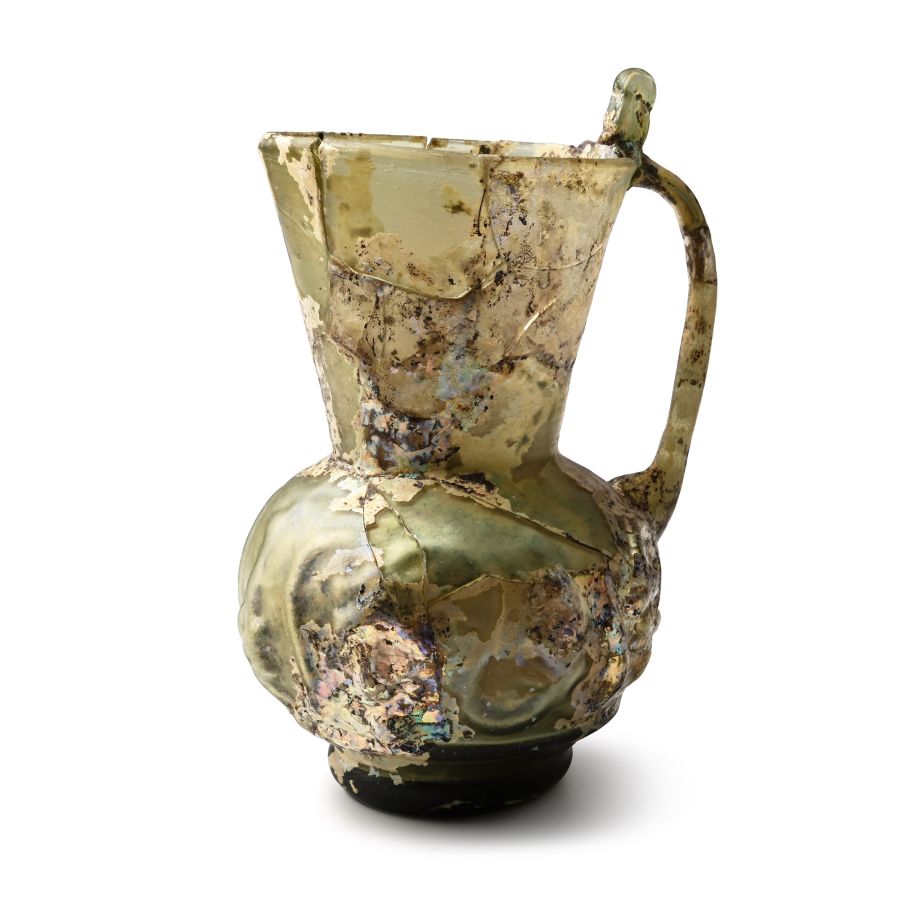
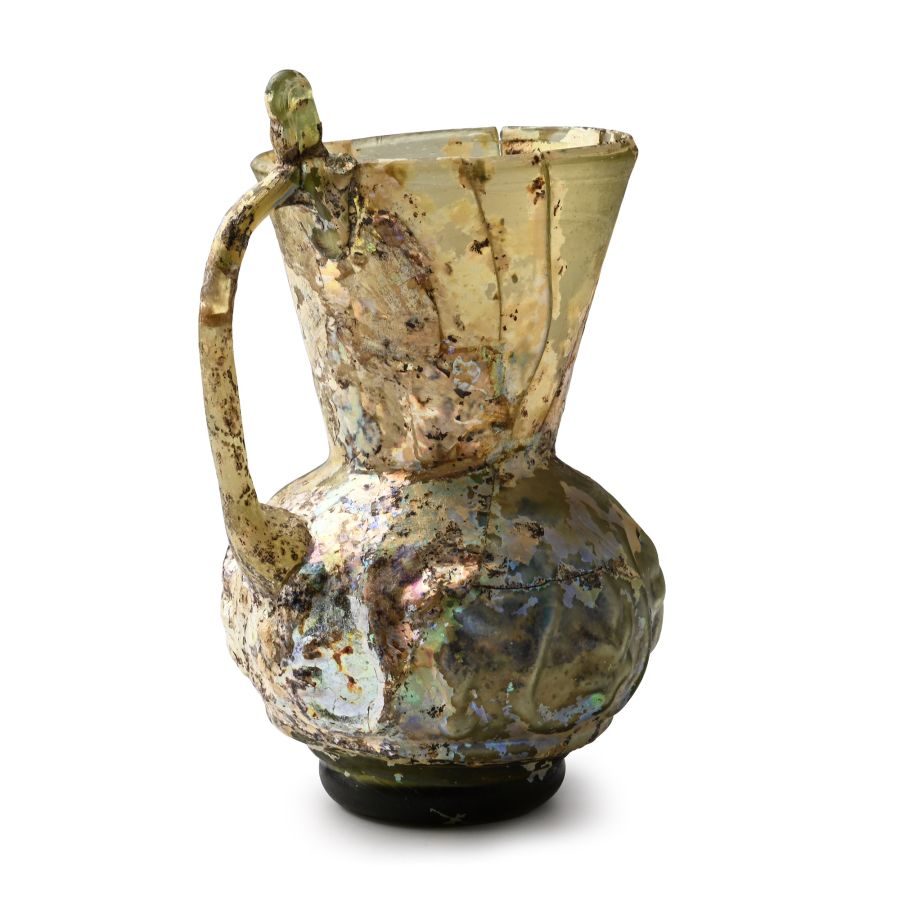
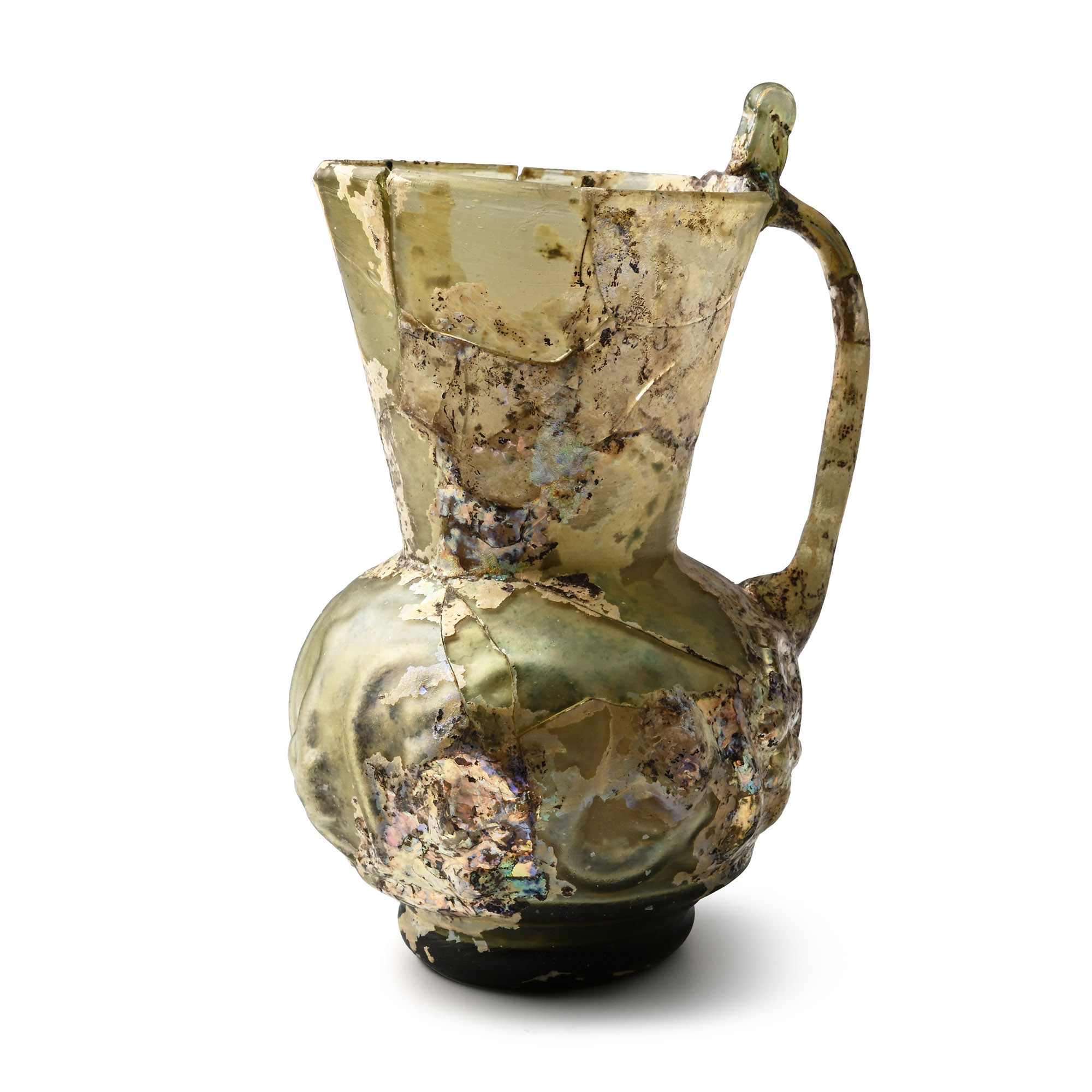
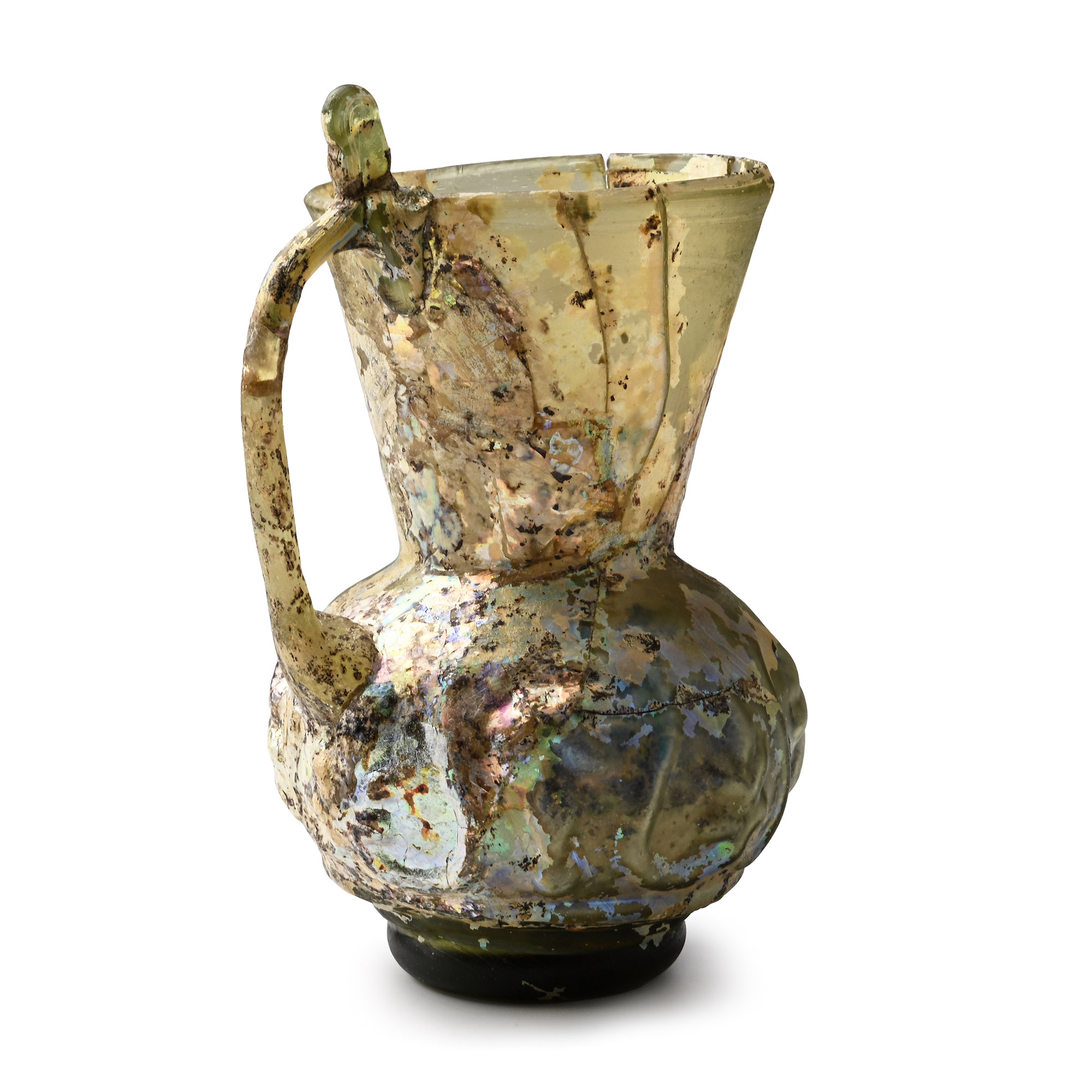
Western Asiatic Mould Blown Pale Green Glass Jug
CIRCA 10TH-12TH CENTURY A.D.
6 in. (201 grams, 15.1 cm).
Comprising a squat body with pontil base, moulded vinescroll detailing to the body, broad shoulder and tall flared mouth; strap handle with thumb-pad to the rim; iridescent surface; repaired.
ProvenancePrivate collection, UK.
CONDITIONTimeLine Auctions follows a vetting process to ensure the authenticity and legality of all items, reinforcing our commitment to integrity and responsible trading. Each antiquity, antique, and coin lot undergoes thorough examination by a vetting committee of at least ten external specialists, professional trade association members, scientists, and archaeologists: Our Vetting Process
AUCTIONS:
TimeLine is a leading auction house specialising in antiquities, ancient art, collectables, natural history, coins, medals, and books. Our auctions offer museums, collectors, historians, and enthusiasts the opportunity to acquire unique and historically significant pieces.
-
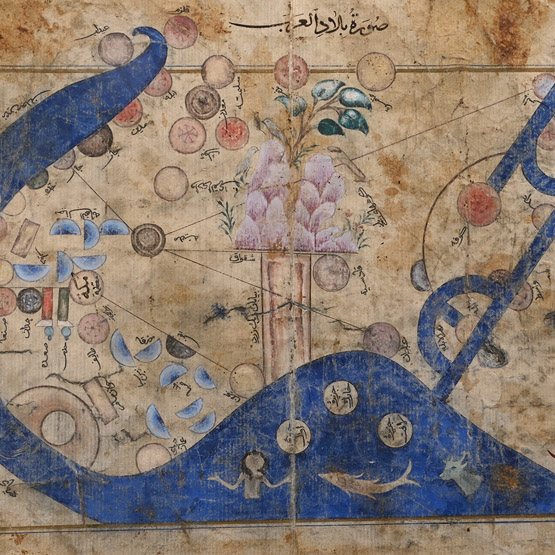
Ottoman Painted Miniature Map
20th century A.D.Sold for (Inc. bp): £780
Plan-view map of a peninsula, the river indicated in dark blue with a fish, bather and ox; calligraphic captions. 34 grams, 33.5 x 23.5 cm
Private collection, UK. -
.jpg)
Western Asiatic Stone Libation Bowl
1st millennium B.C.Sold for (Inc. bp): £46
With a biconical body and flared foot set off-centre, large U-shaped spout and flat rim. 667 grams total, 11.9 cm
From a collection formed before 1988, London and Geneva. -
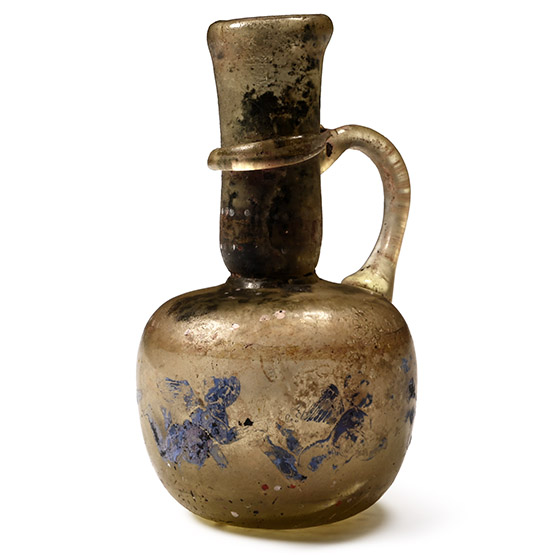
Western Asiatic Single-Handled Flask
12th-14th century A.D.Estimate: £180 - 240 (+bp*)
Opening Bid: £100
With wheel-cut frieze of animals to the body, traces of pigment remaining. 33.59 grams, 72 mm
Ex Parisian gallery, France, 1980s.
