
Loading, please wait...
LOT 1099
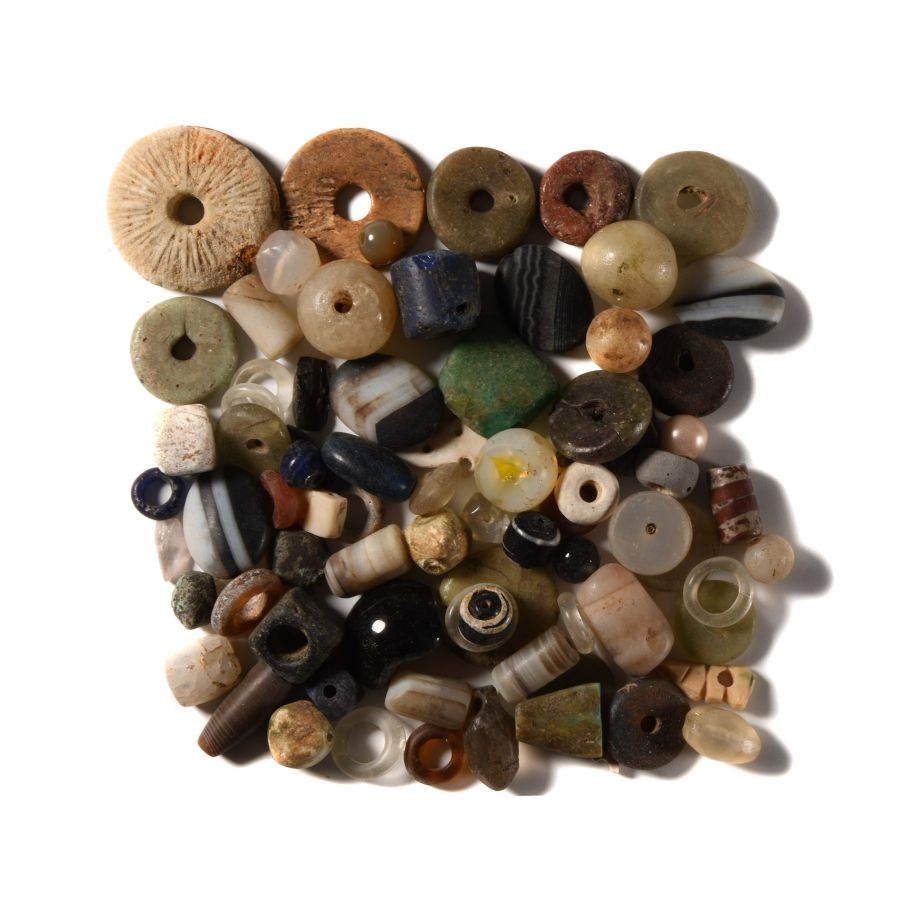
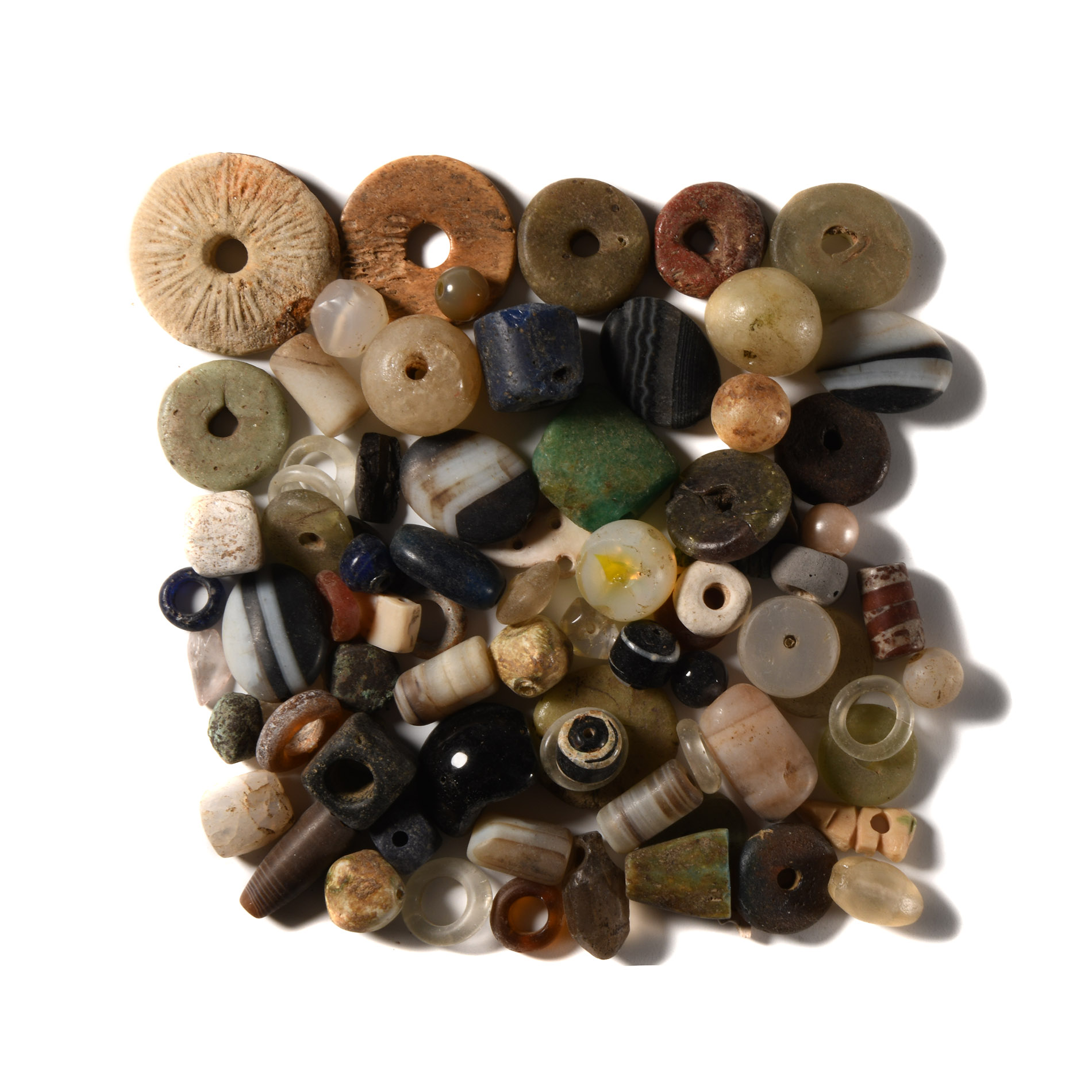
Western Asiatic Mixed Stone and Other Necklace Bead Collection
1ST MILLENNIUM B.C. AND LATER
1/8 - 1 1/8 in. (134 grams total, 5-28 mm).
Comprising a group of mixed beads of various forms and in a variety of mostly natural stones and materials; each pierced for stringing. [80]
ProvenanceUK gallery, early 2000s.
CONDITIONTimeLine Auctions follows a vetting process to ensure the authenticity and legality of all items, reinforcing our commitment to integrity and responsible trading. Each antiquity, antique, and coin lot undergoes thorough examination by a vetting committee of at least ten external specialists, professional trade association members, scientists, and archaeologists: Our Vetting Process
AUCTIONS:
TimeLine is a leading auction house specialising in antiquities, ancient art, collectables, natural history, coins, medals, and books. Our auctions offer museums, collectors, historians, and enthusiasts the opportunity to acquire unique and historically significant pieces.
LOT 1099
Western Asiatic Mixed Stone and Other Necklace Bead Collection
Sold for (Inc. bp): £156
-
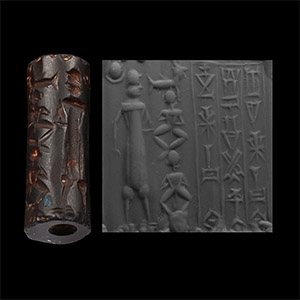
Old Babylonian Haematite Cylinder Seal for Ibni-Ea, son of Abi-tillati
Circa 1894-1595 B.C.Sold for (Inc. bp): £715
With low-relief drilled standing figure and three columns of cuneiform text: Ibni-Ea, son of Abi-tillati, servant of (the god) Ea. 8.4 grams, 29 mm
Acquired 1970s-1996. Property of a North American collector, collection no.17. London collection, 2016. -
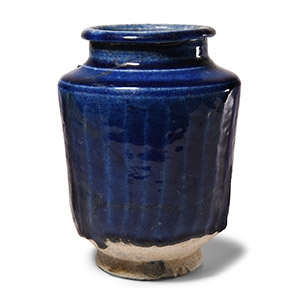
Western Asiatic Deep Blue Glazed Vase
11th-13th century A.D.Estimate: £350 - 450 (+bp*)
Opening Bid: £175
Of roughly barrel-shaped form with integral foot and shallow ribs below dripping glaze; with old 'Mahboubian Gallery CR/257' inventory sticker to one side, repaired. 660 grams, 17 cm high
with a London, UK gallery 1971-early 2000s. -
.jpg)
Western Asiatic Amethyst Scaraboid with Animal and Aramaic Inscription
Mid 1st millennium B.C.Estimate: £500 - 700 (+bp*)
Opening Bid: £250
With plain domed upper face, incuse design to the underside of a horse's head and four Aramaic characters. 1.59 grams, 13 mm
From the private collection of the late Mr S.M., London, UK, 1969-1999; thence by descent.
