
Loading, please wait...
LOT 1427
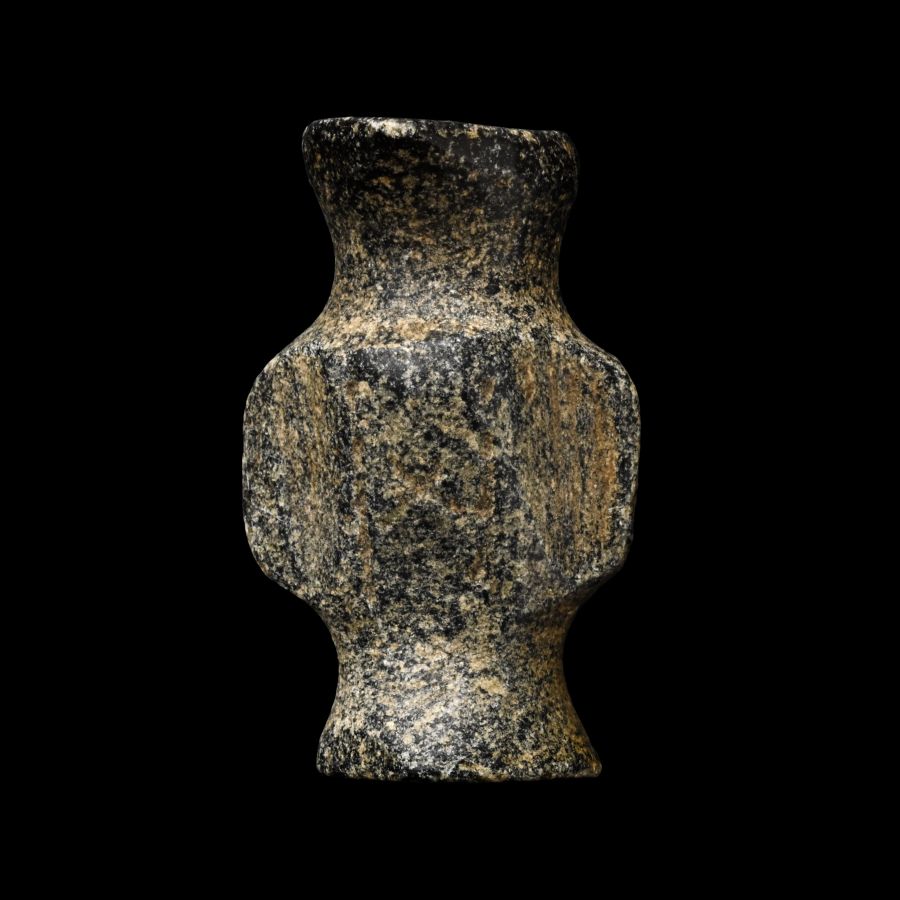
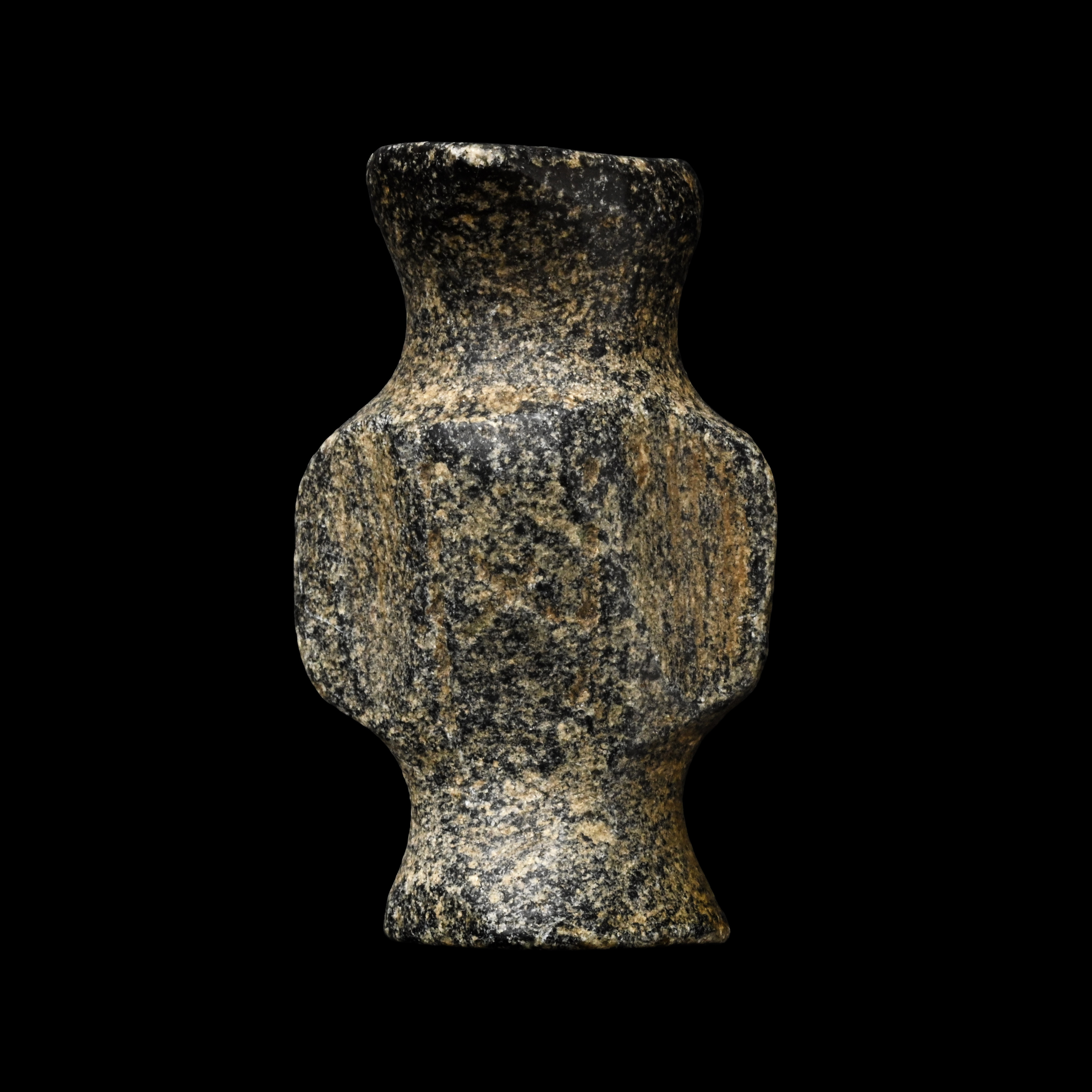
Western Asiatic Miniature Schist Vessel
1ST MILLENNIUM B.C.
3/4 in. (10.75 grams, 35.49 mm).
Tubular in form with flared foot and mouth, lateral lug handles. [No Reserve]
ProvenanceFrom the private collection of a European gentleman (1942-2024), formed since the 1970s.
CONDITIONTimeLine Auctions follows a vetting process to ensure the authenticity and legality of all items, reinforcing our commitment to integrity and responsible trading. Each antiquity, antique, and coin lot undergoes thorough examination by a vetting committee of at least ten external specialists, professional trade association members, scientists, and archaeologists: Our Vetting Process
AUCTIONS:
TimeLine is a leading auction house specialising in antiquities, ancient art, collectables, natural history, coins, medals, and books. Our auctions offer museums, collectors, historians, and enthusiasts the opportunity to acquire unique and historically significant pieces.
-
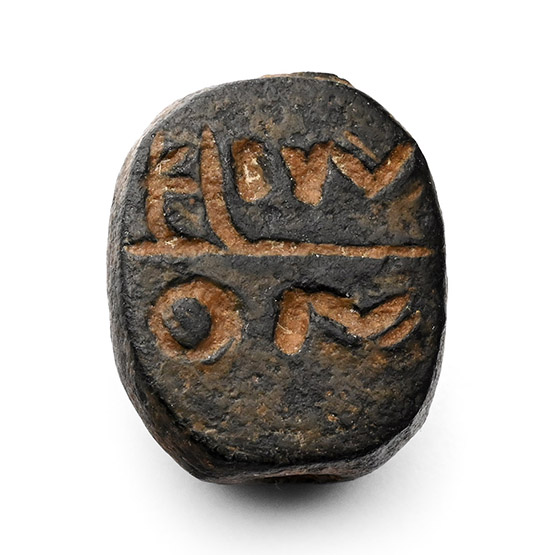
Western Asiatic Bronze Scaraboid Seal with Aramaic Inscription
1st millennium B.C.Estimate: £400 - 600 (+bp*)
Opening Bid: £212
Scaraboid bead with incised legend in two lines to the underside. 3.37 grams, 11 mm
From the collection of a gentleman, acquired on the London art market in the 1990s. -
.jpg)
Western Asiatic Hematite Cylinder Seal with Worshipping Scene
900-600 B.C.Sold for (Inc. bp): £1,430
The field divided into two registers by a horizontal guilloche; above, two winged gryphons crouching beside an attendant with a seated figure holding a sceptre; below, opposed crouching lions, an attendant and a perching bird; a full-height figure with a kopesh; accompanied by a museum-quality impression. 5.17 grams, 18 mm
UK private collection before 2000. Acquired on the UK art market. Private collection, London, UK. -
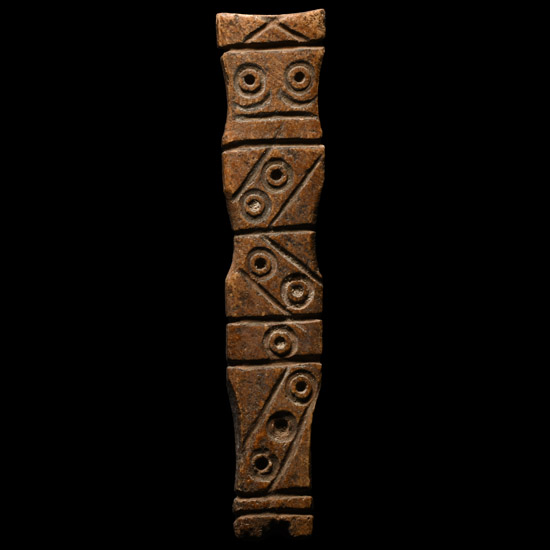
Western Asiatic Bone Idol
2nd century B.C.-2nd century A.D.Sold for (Inc. bp): £85
Rectangular in section with waisted profile, incised zigzag, ring-and-dot and other motifs to both faces. 7.14 grams, 74.82 mm
From the private collection of a European gentleman (1942-2024), formed since the 1970s.
