
Loading, please wait...
LOT 1233
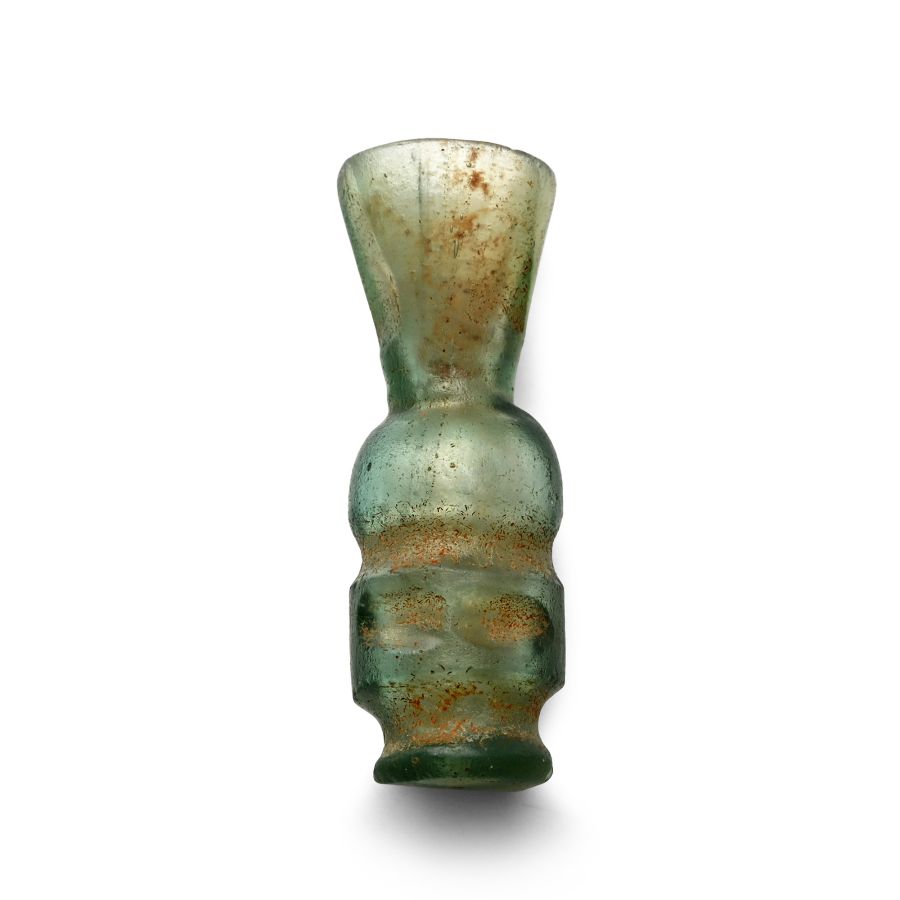
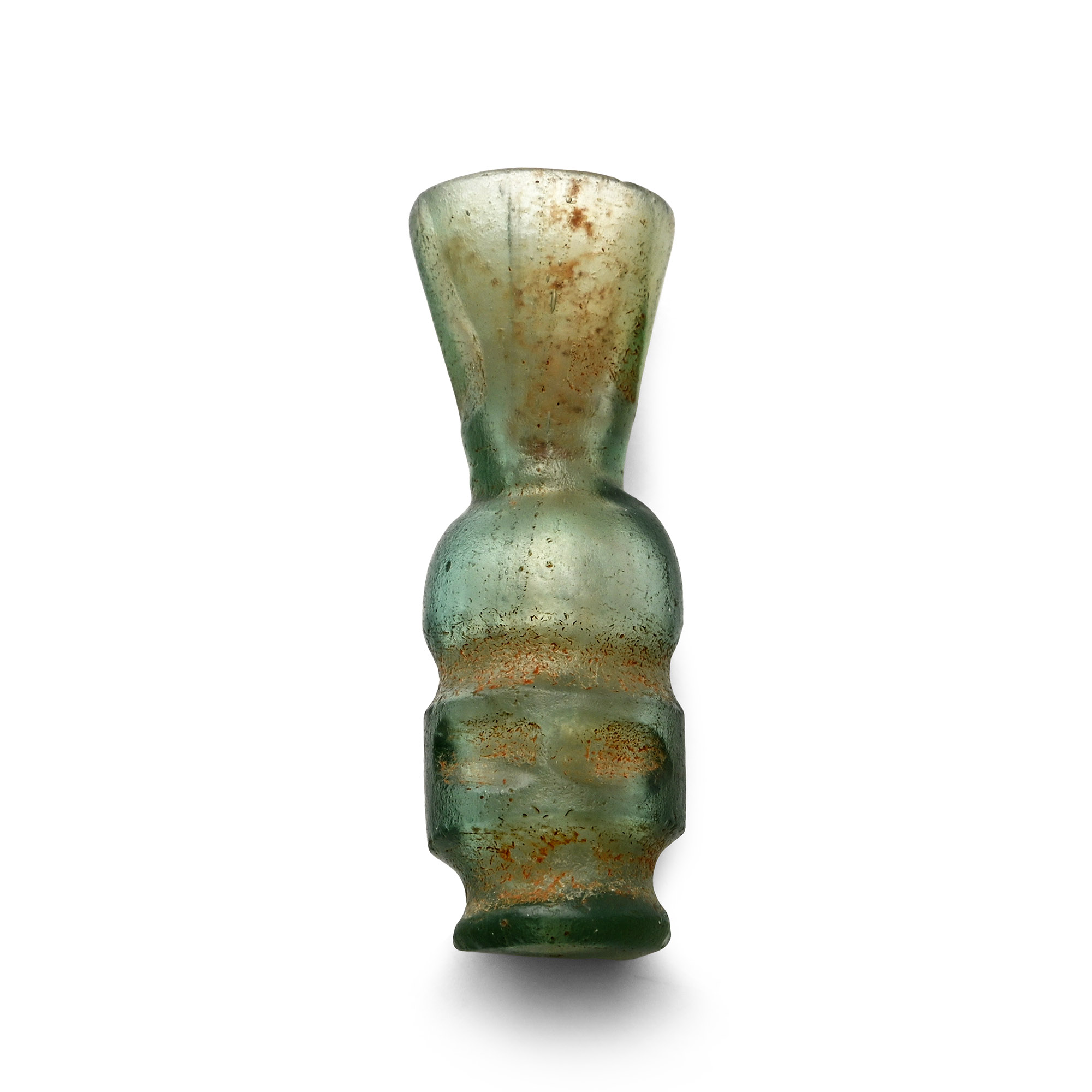
Western Asiatic Miniature Glass Vessel
8TH-12TH CENTURY A.D.
1 1/8 in. (3.05 grams, 31 mm).
With a tubular body, discoid chipped foot and round-section tapering neck.
ProvenanceFrom a London, UK, collection of glass, 1970-2000s.
CONDITIONTimeLine Auctions follows a vetting process to ensure the authenticity and legality of all items, reinforcing our commitment to integrity and responsible trading. Each antiquity, antique, and coin lot undergoes thorough examination by a vetting committee of at least ten external specialists, professional trade association members, scientists, and archaeologists: Our Vetting Process
AUCTIONS:
TimeLine is a leading auction house specialising in antiquities, ancient art, collectables, natural history, coins, medals, and books. Our auctions offer museums, collectors, historians, and enthusiasts the opportunity to acquire unique and historically significant pieces.
LOT 1233
Western Asiatic Miniature Glass Vessel
Estimate £100 - 140€120 - 160 (for guidance only)$140 - 190 (for guidance only)
-
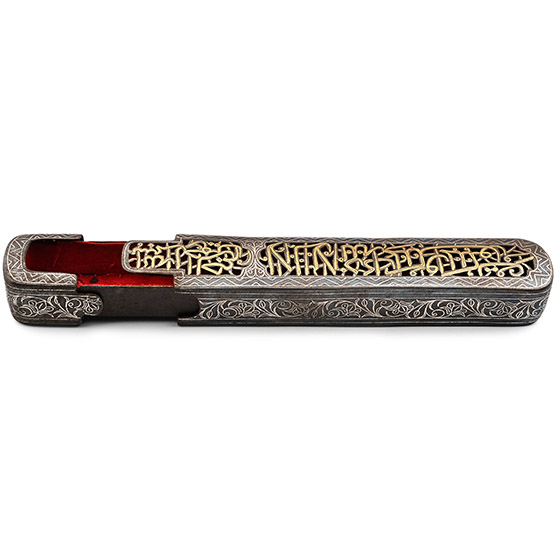
Large Western Asiatic Qajar Style Openwork Iron Pen Box
Late 20th-21st century A.D.Sold for (Inc. bp): £169
A narrow openwork box with sliding tray; inside lined with red velvet; brass-inlaid calligraphic text to body. 362 grams, 20.7 cm
Private collection, UK. -
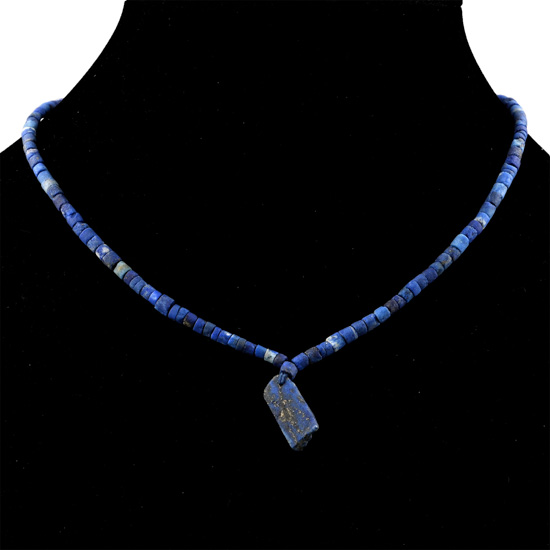
Bactrian Style Lapis Lazuli and Other Bead Necklace String
20th century A.D.Sold for (Inc. bp): £52
Composed of small tubular beads with a tabular pendant; restrung. 9.91 grams, 33 cm
From London, UK, gallery collection, 1990s. -
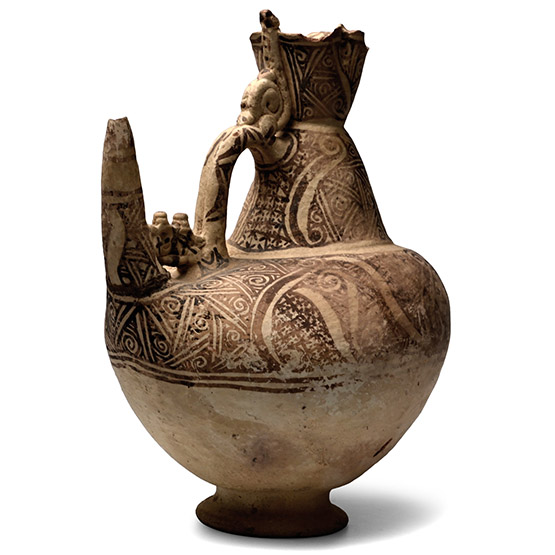
Large Western Asiatic Terracotta Bichrome Vessel with Handle
8th-9th century A.D.Estimate: £450 - 650 (+bp*)
Opening Bid: £225
With trumpet-shaped base, flared bulbous body, tapering spout with crested bar and strap handle connected to the waisted filler; dense painted scroll and floral designs with reserved scrolls and bands. 1.14 kg, 23 cm high
UK collection, 1990s. Acquired on the UK art market, before 2000. Private collection, Mr M.V., a London-based businessman.
