
Loading, please wait...
LOT 0884
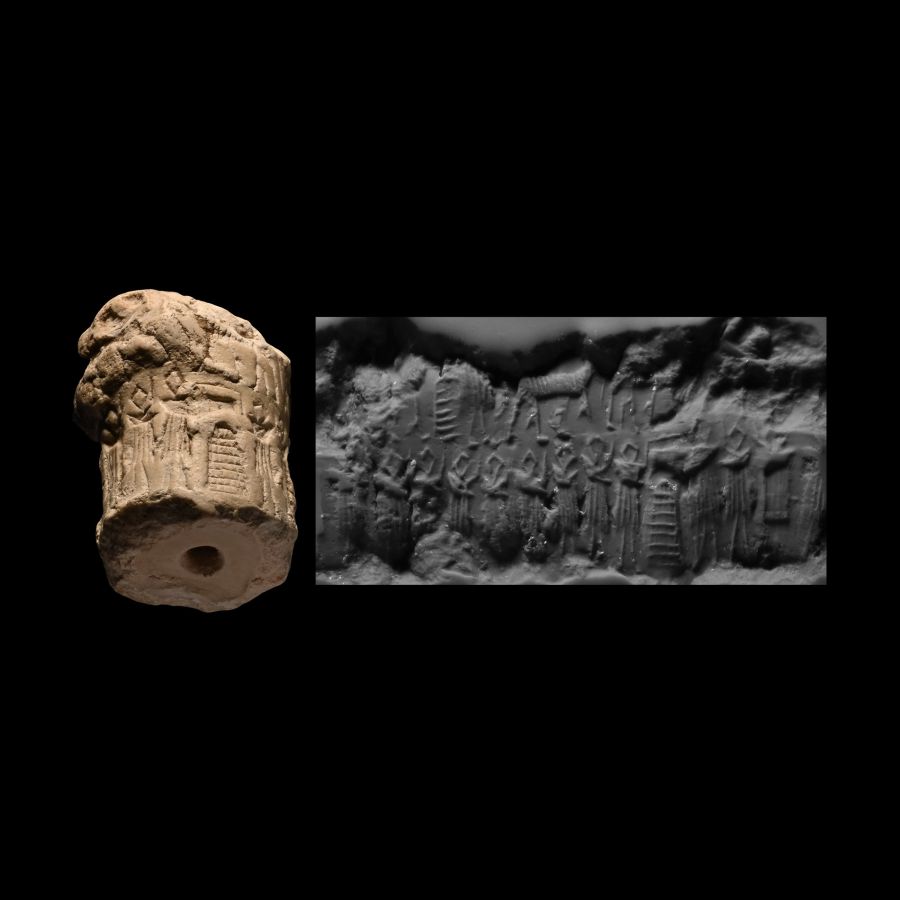
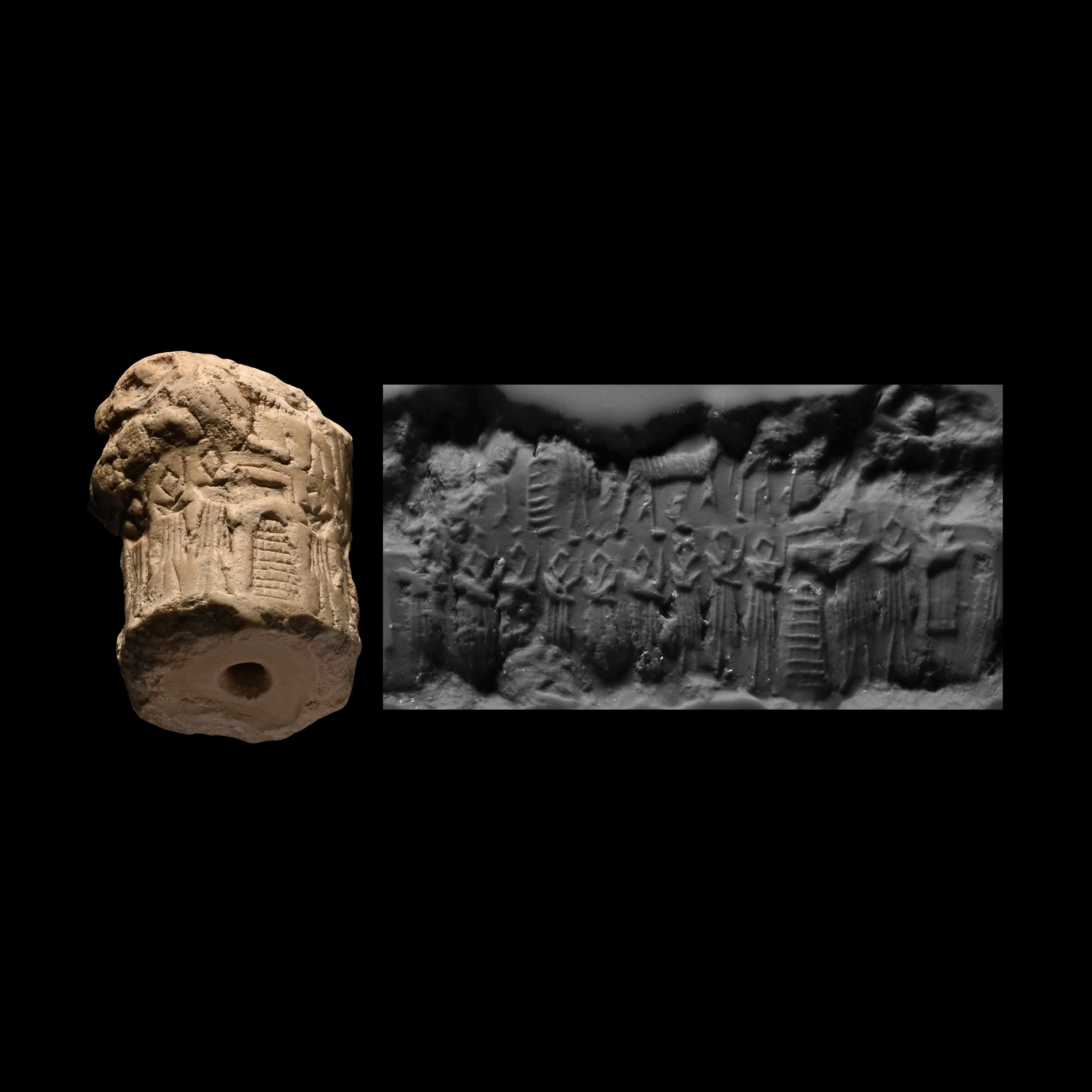
Western Asiatic Limestone Cylinder Seal with Procession Scene
CIRCA 3RD MILLENNIUM B.C.
1 1/2 in. (33.8 grams, 39 mm).
Carved with a row of figures in two registers, one with a textured robe. [No Reserve]
ProvenanceAcquired 1970s-1996.
Property of a North American collector.
London collection, 2016.
Cf. Collon, D., Near Eastern Seals, London, 1990, item 19, for type.
CONDITIONTimeLine Auctions follows a vetting process to ensure the authenticity and legality of all items, reinforcing our commitment to integrity and responsible trading. Each antiquity, antique, and coin lot undergoes thorough examination by a vetting committee of at least ten external specialists, professional trade association members, scientists, and archaeologists: Our Vetting Process
AUCTIONS:
TimeLine is a leading auction house specialising in antiquities, ancient art, collectables, natural history, coins, medals, and books. Our auctions offer museums, collectors, historians, and enthusiasts the opportunity to acquire unique and historically significant pieces.
LOT 0884
Western Asiatic Limestone Cylinder Seal with Procession Scene
Sold for (Inc. bp): £143
-
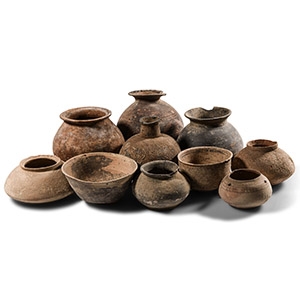
Western Asiatic Pottery Vessel Group
Circa 3rd-1st millennium B.C.Sold for (Inc. bp): £117
Comprising various types, including examples decorated with painted geometric motifs; some chipped. 2.36 kg total, 7.9-14 cm
Acquired 1980-2015. Ex Abelita family collection. -
.jpg)
Mesopotamian Alabaster Disc Beads
Circa 4th millennium B.C.Sold for (Inc. bp): £46
Comprising a quantity of small, mostly disc-shaped beads, in pale alabaster; each pierced for stringing. 63 grams total, 3-8 mm
UK gallery, early 2000s. -
.jpg)
Western Asiatic Carnelian and Other Bead Collection
1st millennium B.C. and laterSold for (Inc. bp): £260
Comprising a group of mostly carnelian beads, with a few in other materials; each pierced for stringing. 98 grams total, 2-18 mm
UK gallery, early 2000s.
