
Loading, please wait...
LOT 2035
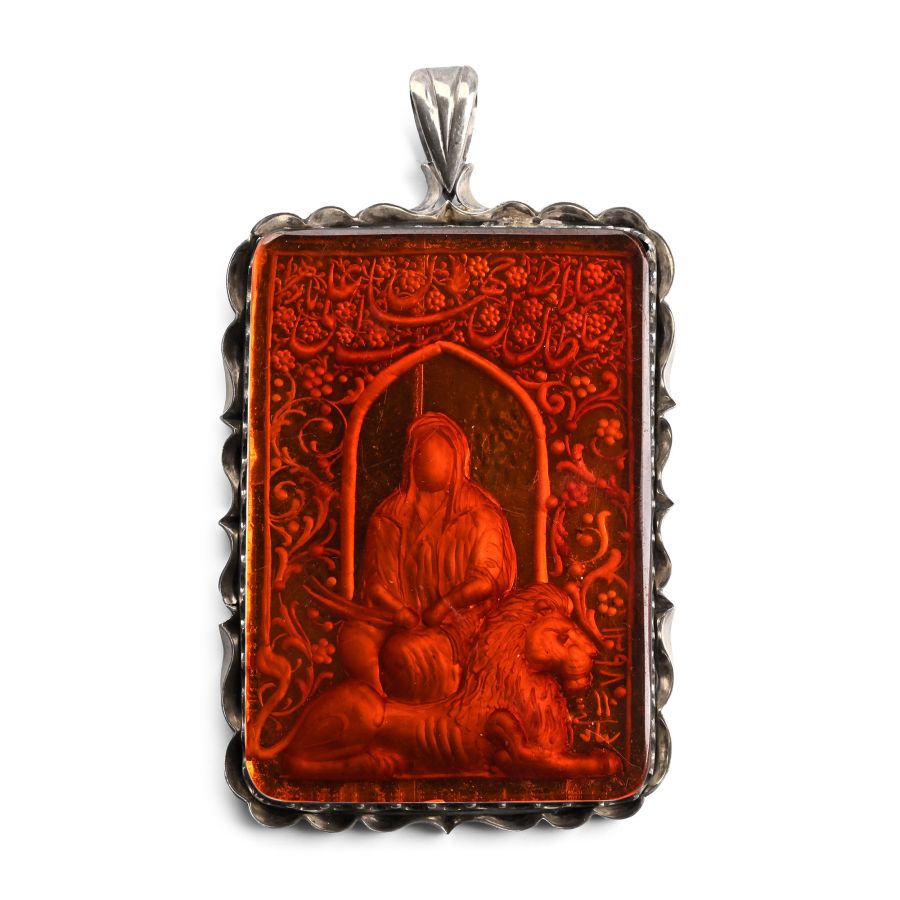
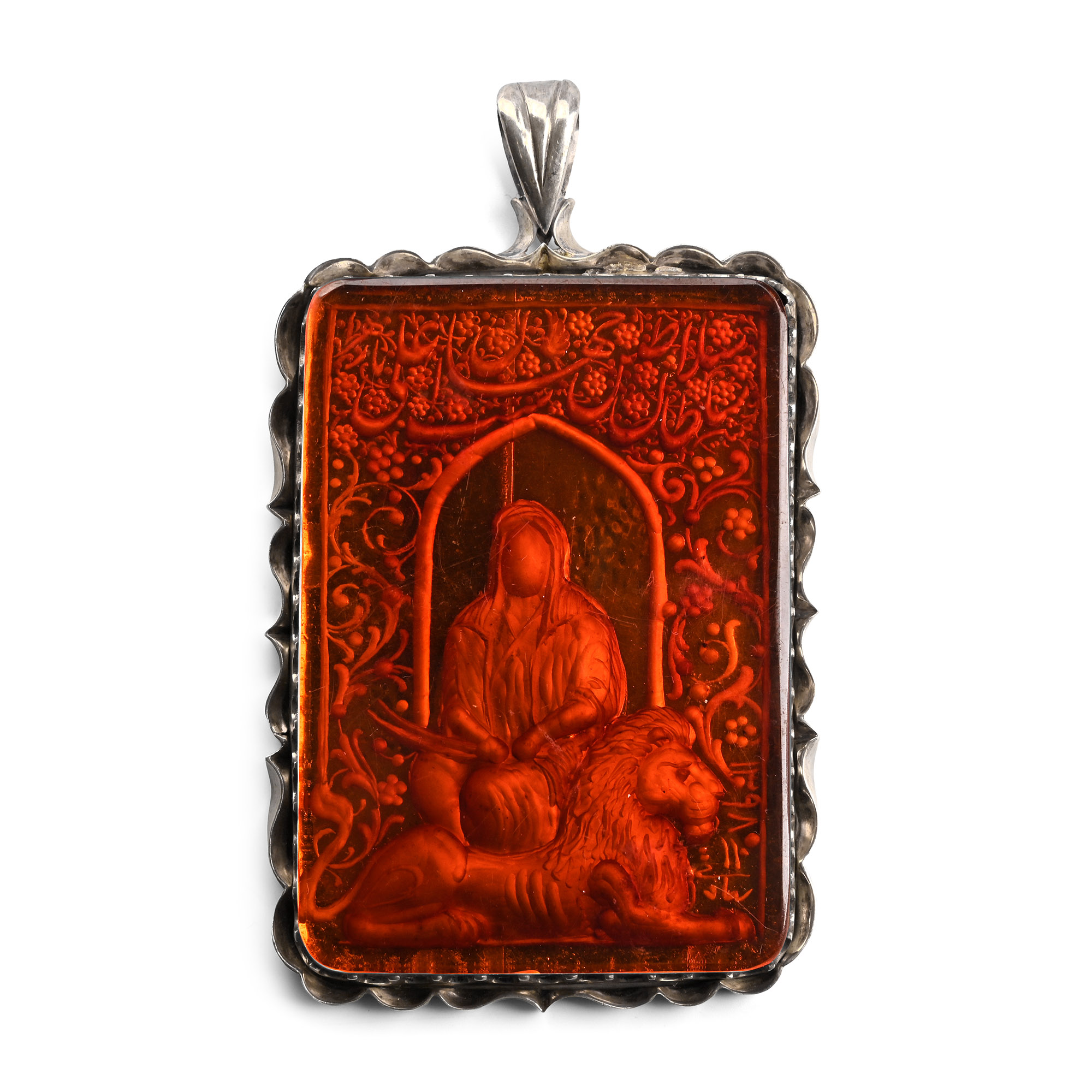
Western Asiatic Large Silver-Coloured Metal Pendant with Laquer Imam
LATE 20TH CENTURY A.D.
4 in. (90 grams, 10.1 cm).
Rectangular in plan with openwork ornament underside, suspension bale, inset glass panel with seated robed figure beside a lion, arch to the rear with calligraphic text above.
ProvenancePrivate collection, UK.
CONDITIONTimeLine Auctions follows a vetting process to ensure the authenticity and legality of all items, reinforcing our commitment to integrity and responsible trading. Each antiquity, antique, and coin lot undergoes thorough examination by a vetting committee of at least ten external specialists, professional trade association members, scientists, and archaeologists: Our Vetting Process
AUCTIONS:
TimeLine is a leading auction house specialising in antiquities, ancient art, collectables, natural history, coins, medals, and books. Our auctions offer museums, collectors, historians, and enthusiasts the opportunity to acquire unique and historically significant pieces.
LOT 2035
Western Asiatic Large Silver-Coloured Metal Pendant with Laquer Imam
Sold for (Inc. bp): £234
-
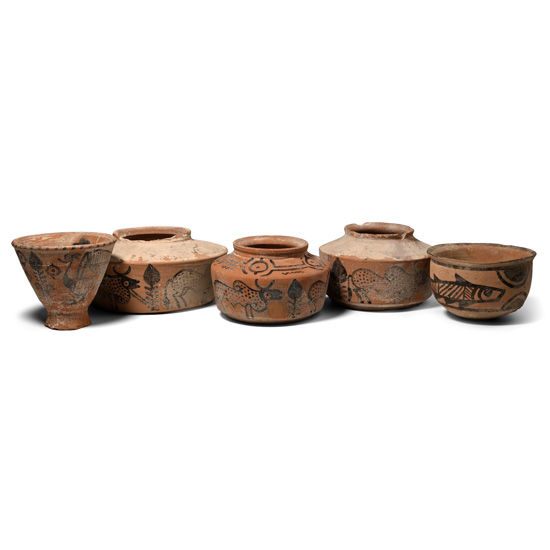
Indus Valley Style Terracotta Vessel Group
20th century A.D.Sold for (Inc. bp): £65
Mixed group of jars and a cup with painted details. 1.11 kg, 85-140 mm wide
Very fine condition.
From the private collection of John Meredith, acquired since the 1990s; thence by descent. -
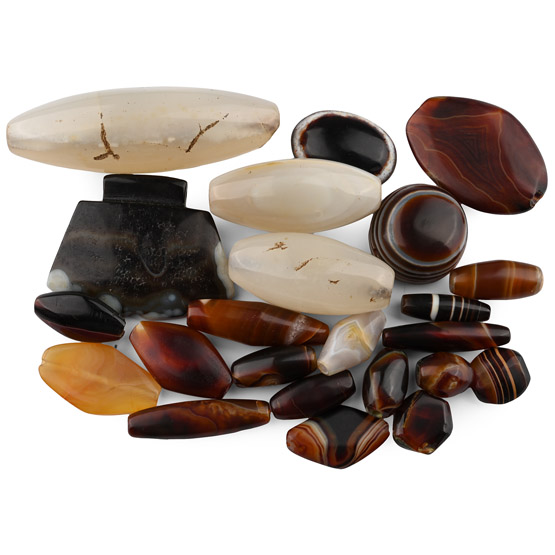
Agate Bead and Pendant Group
20th century A.D.Sold for (Inc. bp): £46
Including fusiform plano-convex and other types with wedge-shaped pendant. 286 grams total, 15-80 mm
Private collection, UK. -
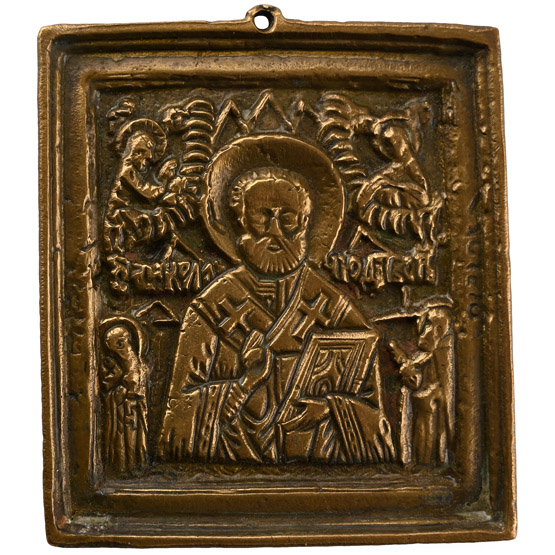
Eastern European Saint Nicholas Bronze Icon
Circa 19th century A.D.Sold for (Inc. bp): £26
Rectangular panel with raised rim and low-relief image of Saint Nicholas holding a book, right hand raised in blessing gesture; flanked with saints. 63 grams, 62 mm
Ex Constable collection, 1990s. Ex P. Morris collection.
