
Loading, please wait...
_900x900.jpg "Western Asiatic Lapis Lazuli Throne Fitting with Lion")
_200x200.jpg "Western Asiatic Lapis Lazuli Throne Fitting with Lion")
_900x900.jpg "Western Asiatic Lapis Lazuli Throne Fitting with Lion")
_200x200.jpg "Western Asiatic Lapis Lazuli Throne Fitting with Lion")
_900x900.jpg "Western Asiatic Lapis Lazuli Throne Fitting with Lion")
_200x200.jpg "Western Asiatic Lapis Lazuli Throne Fitting with Lion")
.jpg "Western Asiatic Lapis Lazuli Throne Fitting with Lion")
.jpg "Western Asiatic Lapis Lazuli Throne Fitting with Lion")
.jpg "Western Asiatic Lapis Lazuli Throne Fitting with Lion")
LOT 0287
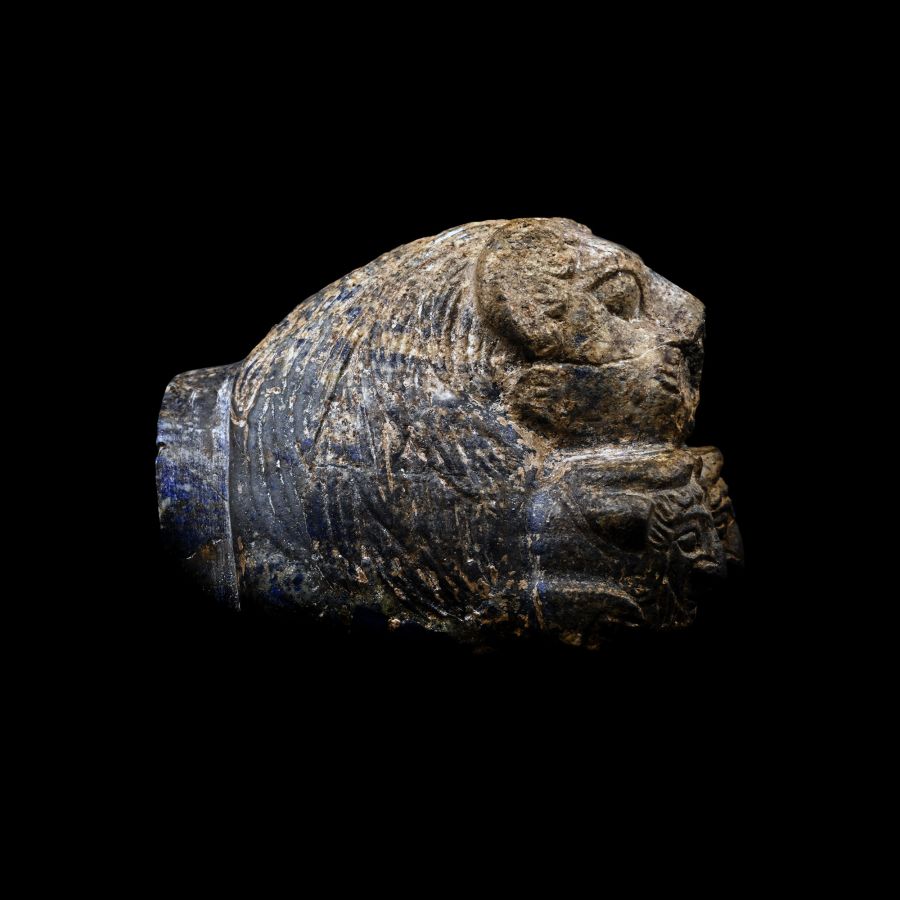
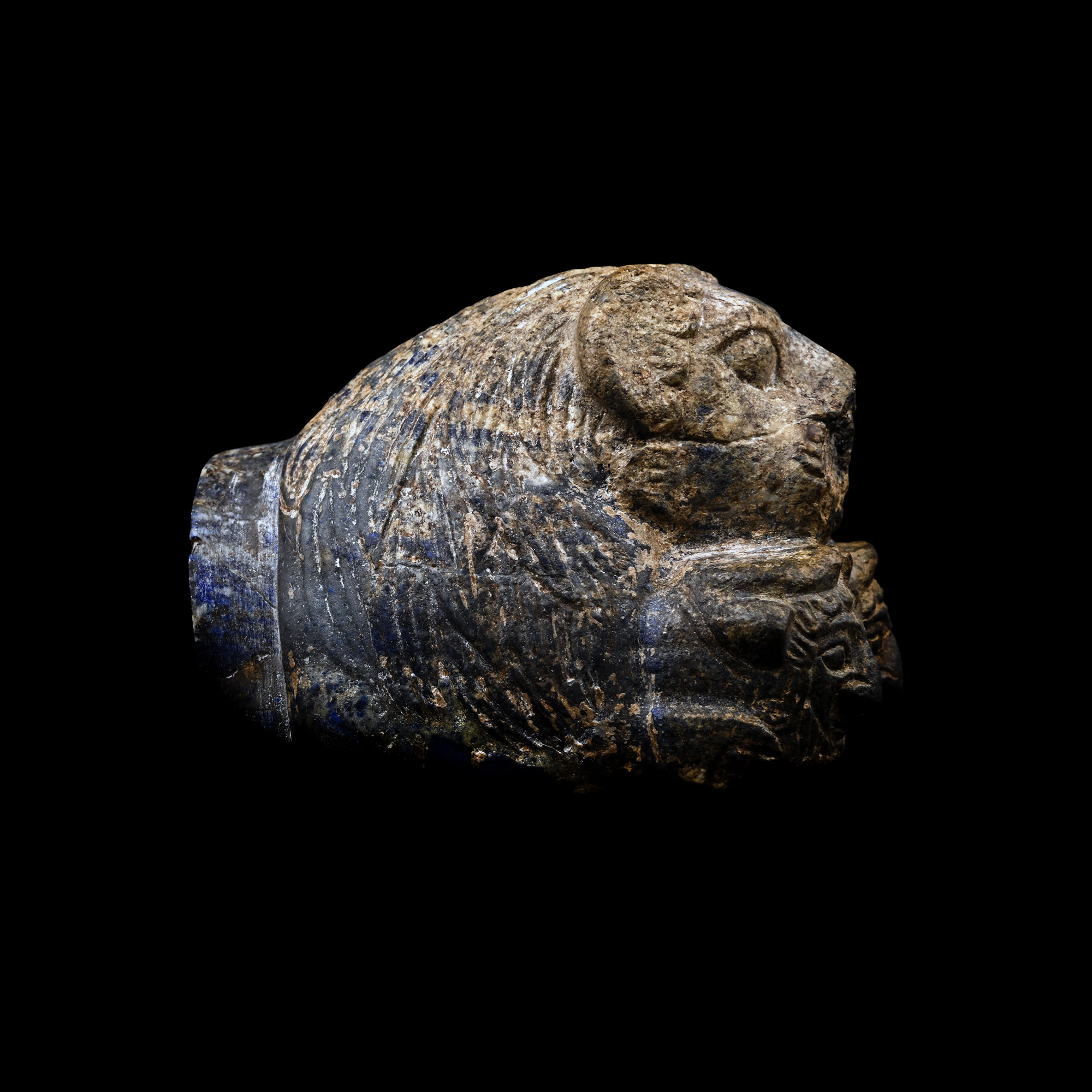
Western Asiatic Lapis Lazuli Throne Fitting with Lion
1ST MILLENNIUM B.C.
3 3/8 in. (404 grams, 85 mm).
From the arm of a throne with a D-shaped socket to the rear; formed as the foreparts of a lion with abundant mane covering two lion-cub heads with bearded human faces.
ProvenanceEx London gallery, 1990s.
Private collection, London, UK.
This lot has been checked against the Interpol Database of stolen works of art and is accompanied by search certificate number no.13288-253395.
TimeLine Auctions follows a vetting process to ensure the authenticity and legality of all items, reinforcing our commitment to integrity and responsible trading. Each antiquity, antique, and coin lot undergoes thorough examination by a vetting committee of at least ten external specialists, professional trade association members, scientists, and archaeologists: Our Vetting Process
AUCTIONS:
TimeLine is a leading auction house specialising in antiquities, ancient art, collectables, natural history, coins, medals, and books. Our auctions offer museums, collectors, historians, and enthusiasts the opportunity to acquire unique and historically significant pieces.
LOT 0287
Western Asiatic Lapis Lazuli Throne Fitting with Lion
Estimate £6,000 - 8,000€6,960 - 9,280 (for guidance only)$8,100 - 10,800 (for guidance only)
-
Western Asiatic Stone Cylinder Seal with Walking Figures
1st millennium B.C.Sold for (Inc. bp): £338
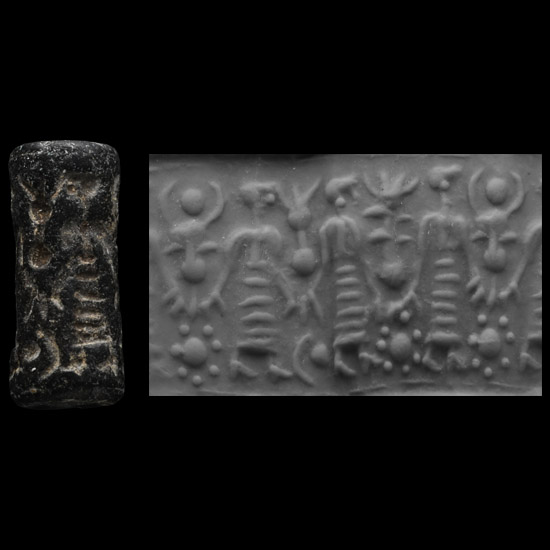
Cylinder with a procession of three walking men wearing long robes, a bull's head with a sun disc and other symbols on the field; supplied with a museum-quality impression. 2.76 grams, 21 mm
From a late Warwickshire numismatic collector, his collection formed from the early 1980s. -
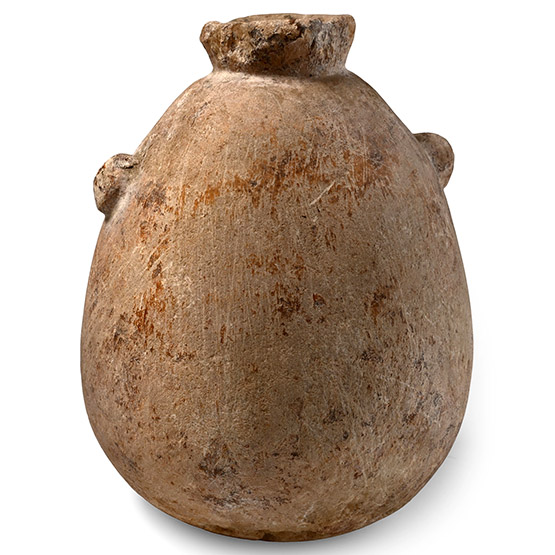
Western Asiatic Alabaster Vessel with Lug Handles
2nd-1st millennium B.C.Estimate: £180 - 240 (+bp*)
Opening Bid: £90
Carved bag-shaped body with two lateral unpierced lug handles at the shoulder, flared rim to the mouth. 984 grams, 12.5 cm
Ex William Ohly, 1883-1955. Ex Abbey Museum, Barnet, by descent. -
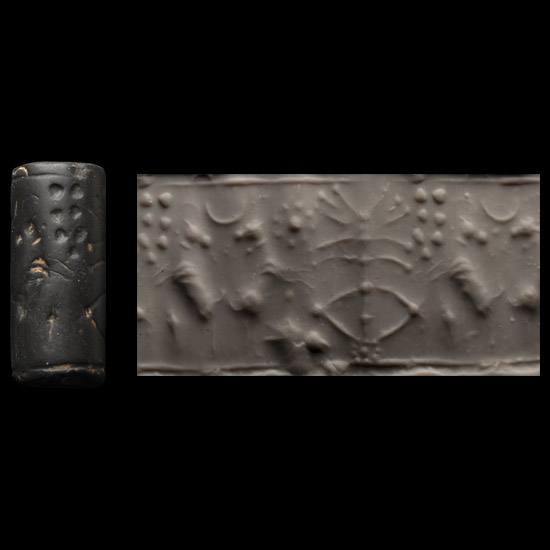
Western Asiatic Cylinder Seal with Quadrupeds
1st millennium B.C.Estimate: £200 - 300 (+bp*)
Opening Bid: £100
With incuse design of advancing quadrupeds, crescents and other items; accompanied by a museum-quality impression. 7.01 grams, 26 mm
UK private collection before 2000. Acquired on the UK art market. Private collection, London, UK.
