
Loading, please wait...


LOT 1273
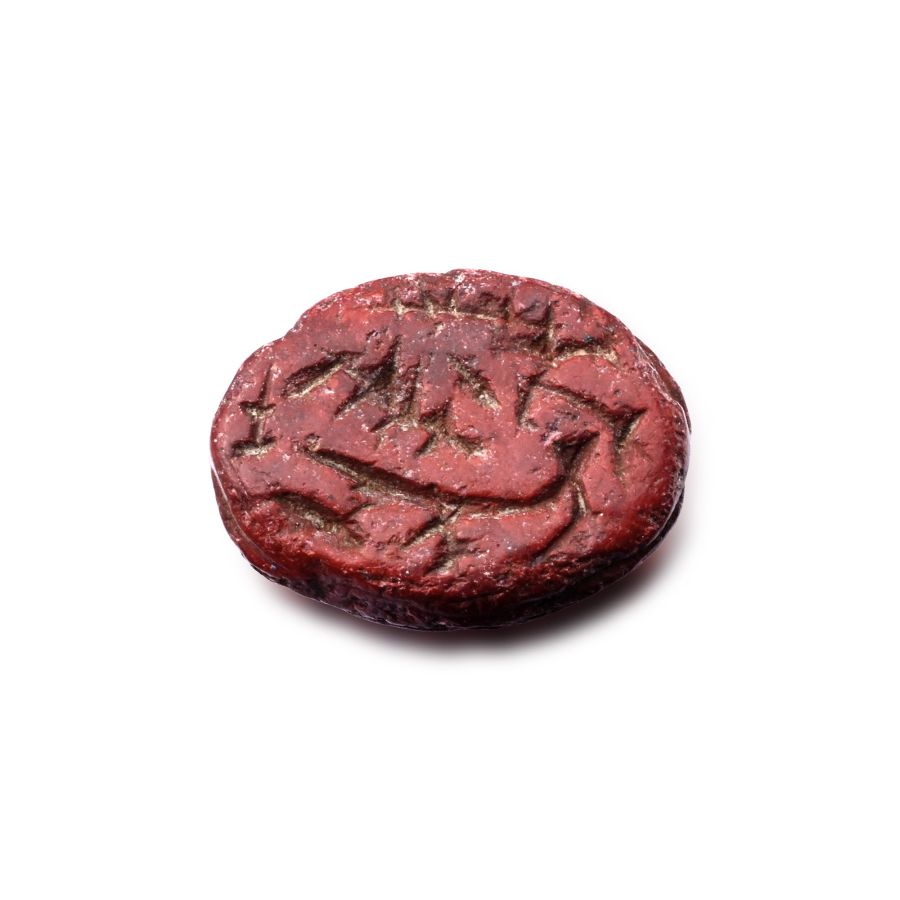
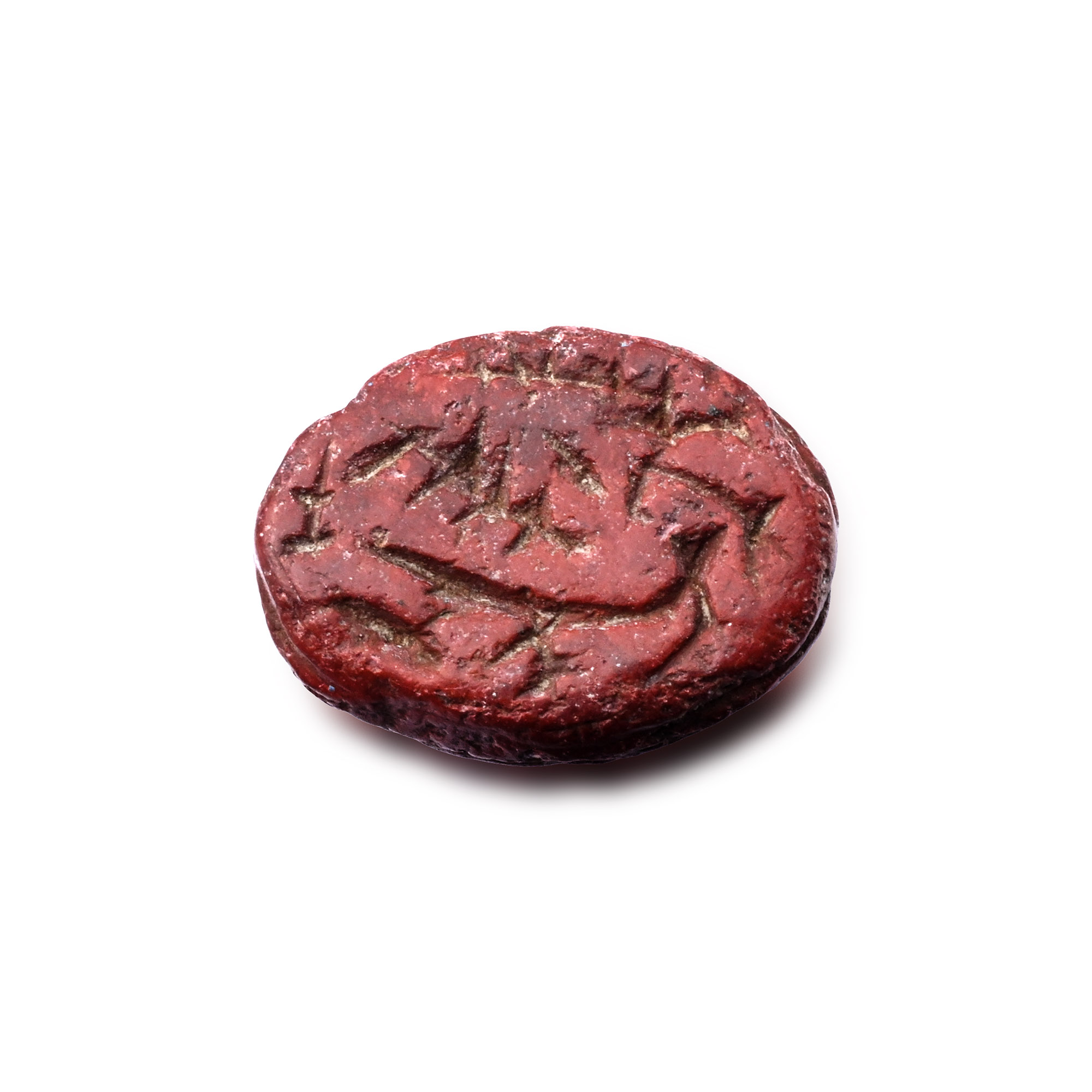
Western Asiatic Jasper Scaraboid Seal
LEVANT, CIRCA 10TH CENTURY B.C.
3/4 in. (3.35 grams, 18 mm).
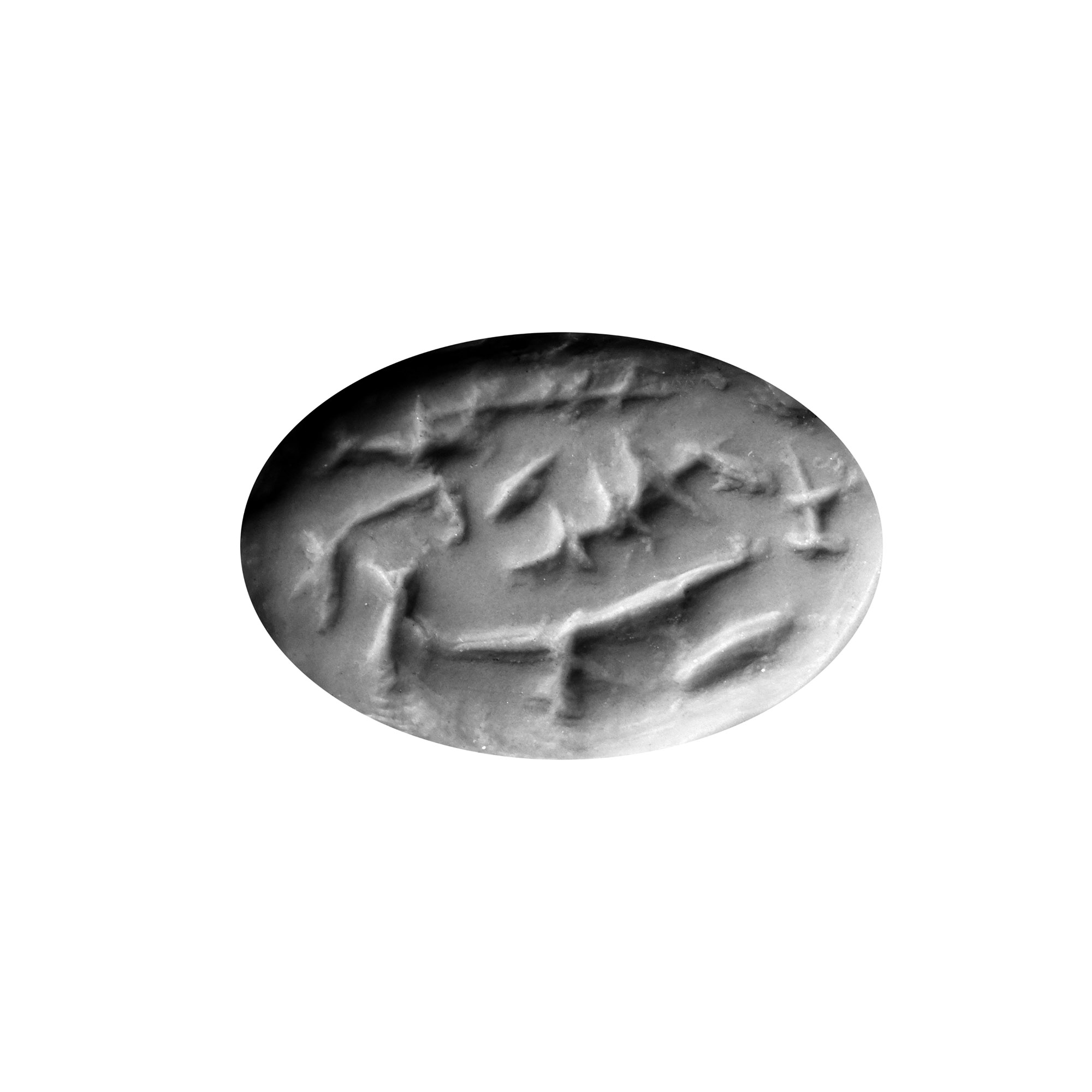
Engraved stylised detailing to the domed carapace, the underside with quadrupeds and caterpillars in exergue; pierced longitudinally; accompanied by a museum-quality impression.
ProvenanceFrom the 'S' collection, acquired 1970-1990s.
CONDITIONTimeLine Auctions follows a vetting process to ensure the authenticity and legality of all items, reinforcing our commitment to integrity and responsible trading. Each antiquity, antique, and coin lot undergoes thorough examination by a vetting committee of at least ten external specialists, professional trade association members, scientists, and archaeologists: Our Vetting Process
AUCTIONS:
TimeLine is a leading auction house specialising in antiquities, ancient art, collectables, natural history, coins, medals, and books. Our auctions offer museums, collectors, historians, and enthusiasts the opportunity to acquire unique and historically significant pieces.
LOT 1273
Western Asiatic Jasper Scaraboid Seal
Estimate £300 - 400€350 - 460 (for guidance only)$410 - 540 (for guidance only)
-
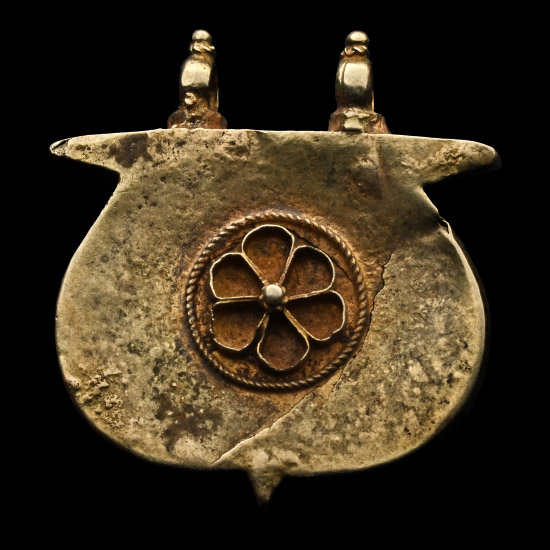
Western Asiatic Gold Pendant with Rosettes
1st millennium B.C.Sold for (Inc. bp): £211
Hollow-form pendant with curving body and two loops on the upper edge, both sides with an applied six-petalled flower, one formed of filigree wire and the other as raised cells. 2.24 grams, 22 mm
Ex late Japanese gentleman's collection, 1970-2010. Accompanied by a previously illustrated catalogue card with provenance. -
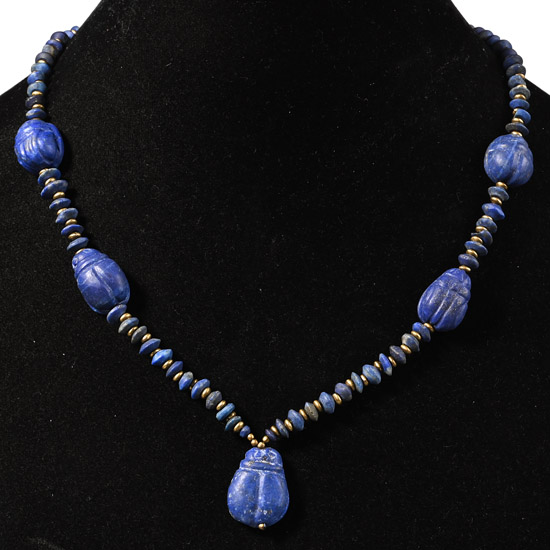
Bactrian Style Lapis Lazuli Bead Necklace String
20th century A.D.Sold for (Inc. bp): £20
Composed of biconical beads interspersed with small metal beads and five scaraboids, restrung. 47.8 grams, 44 cm
Acquired in the 1990s-early 2000s. Ex London, UK, collection. -
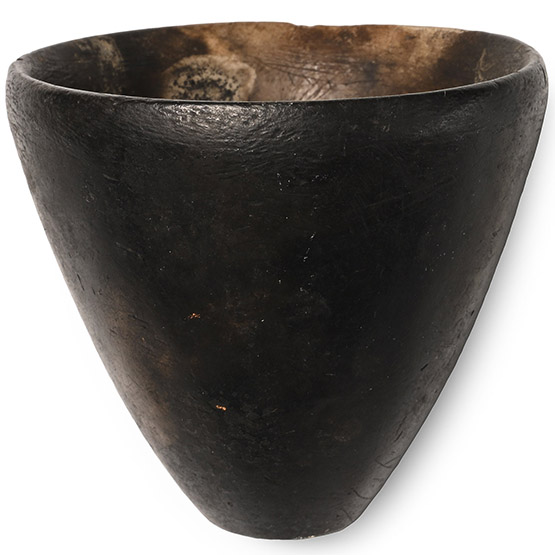
Western Asiatic Stone Beaker
Warka Culture, 4000-3100 B.C.Sold for (Inc. bp): £130
With narrow base, conical body and rounded rim. 132 grams, 66 mm wide
Private collection, assembled in the 1950s-1970s, thence by descent.
