
Loading, please wait...
LOT 1560
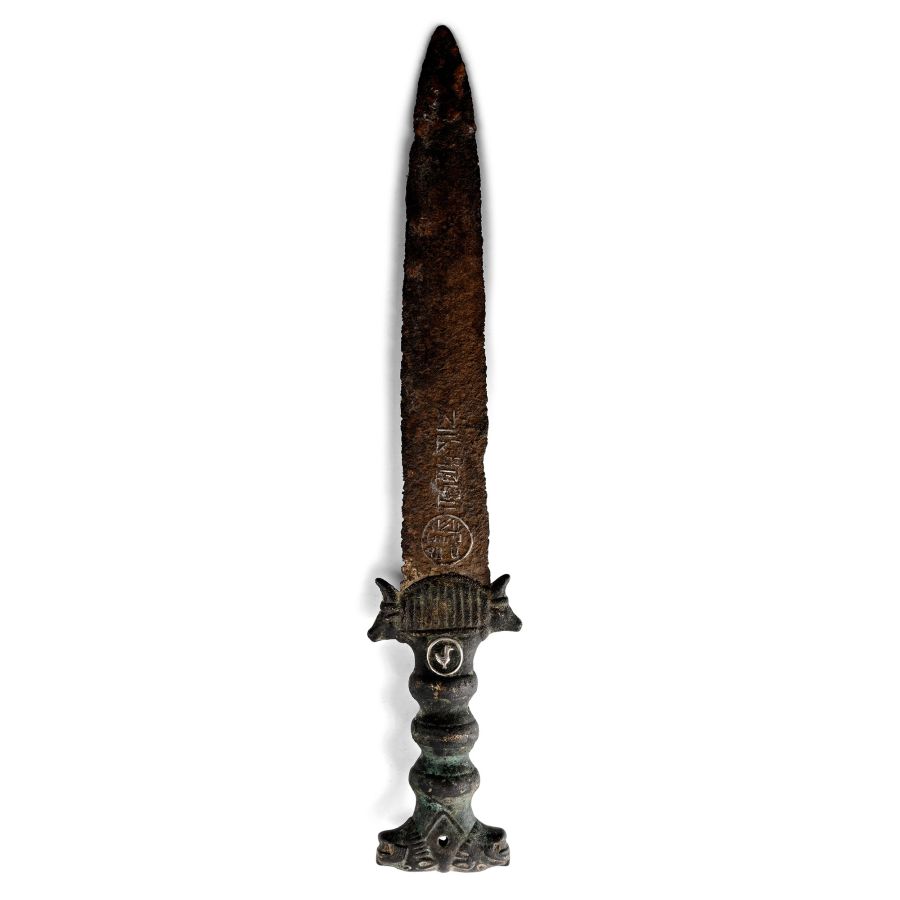
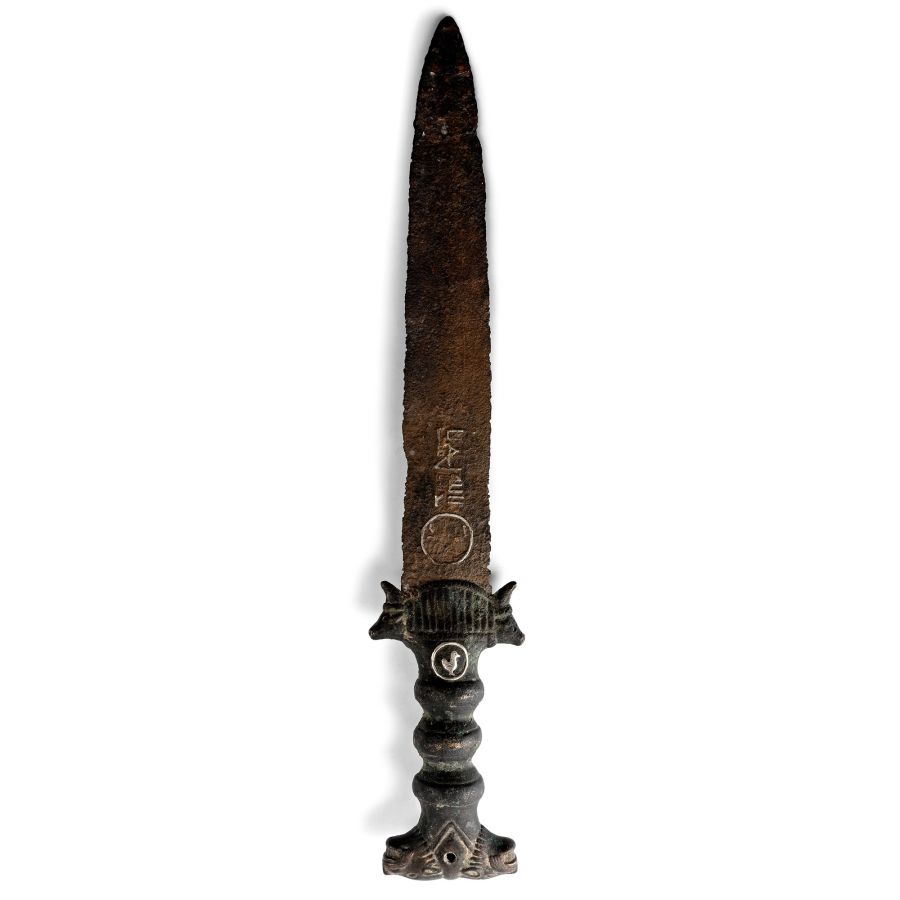
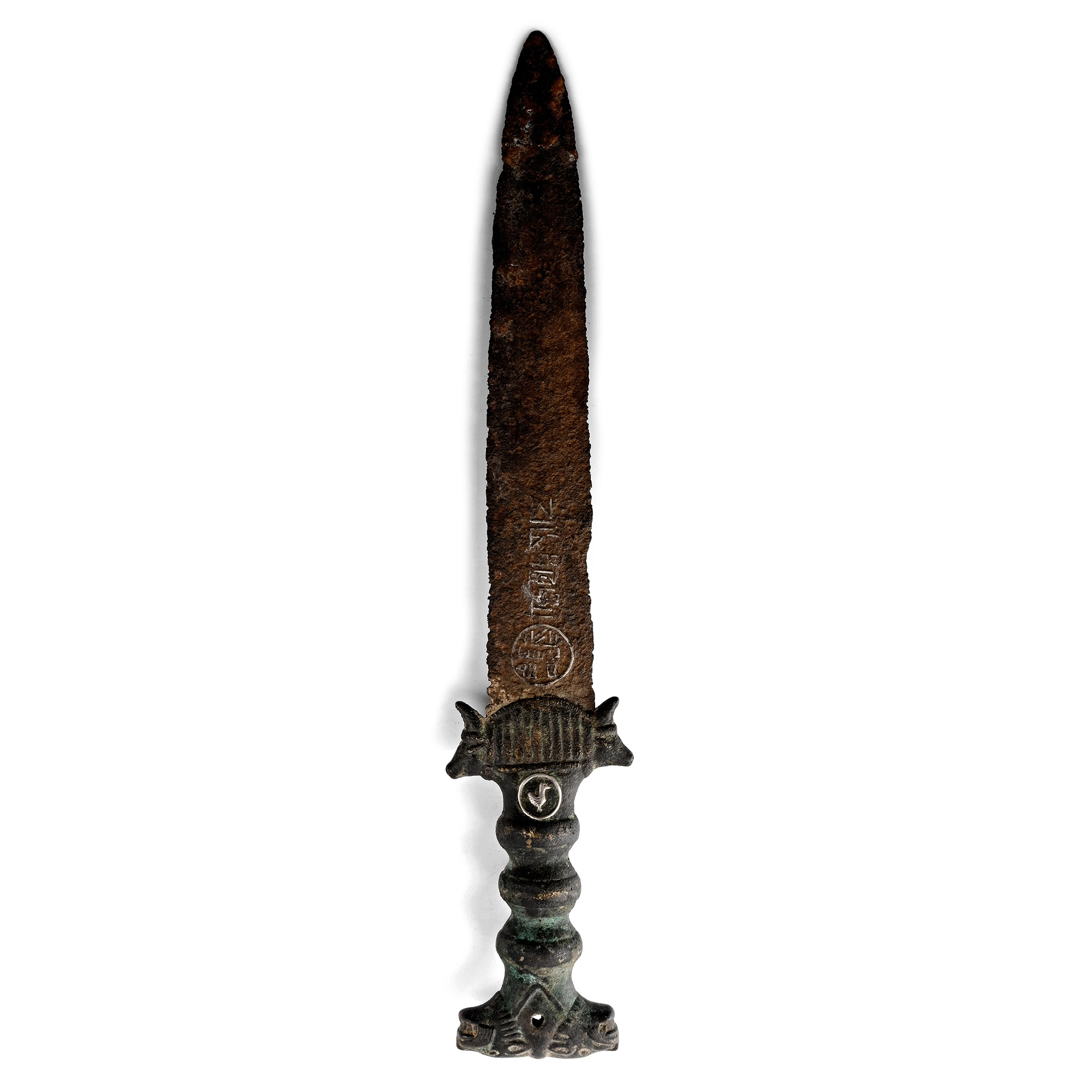
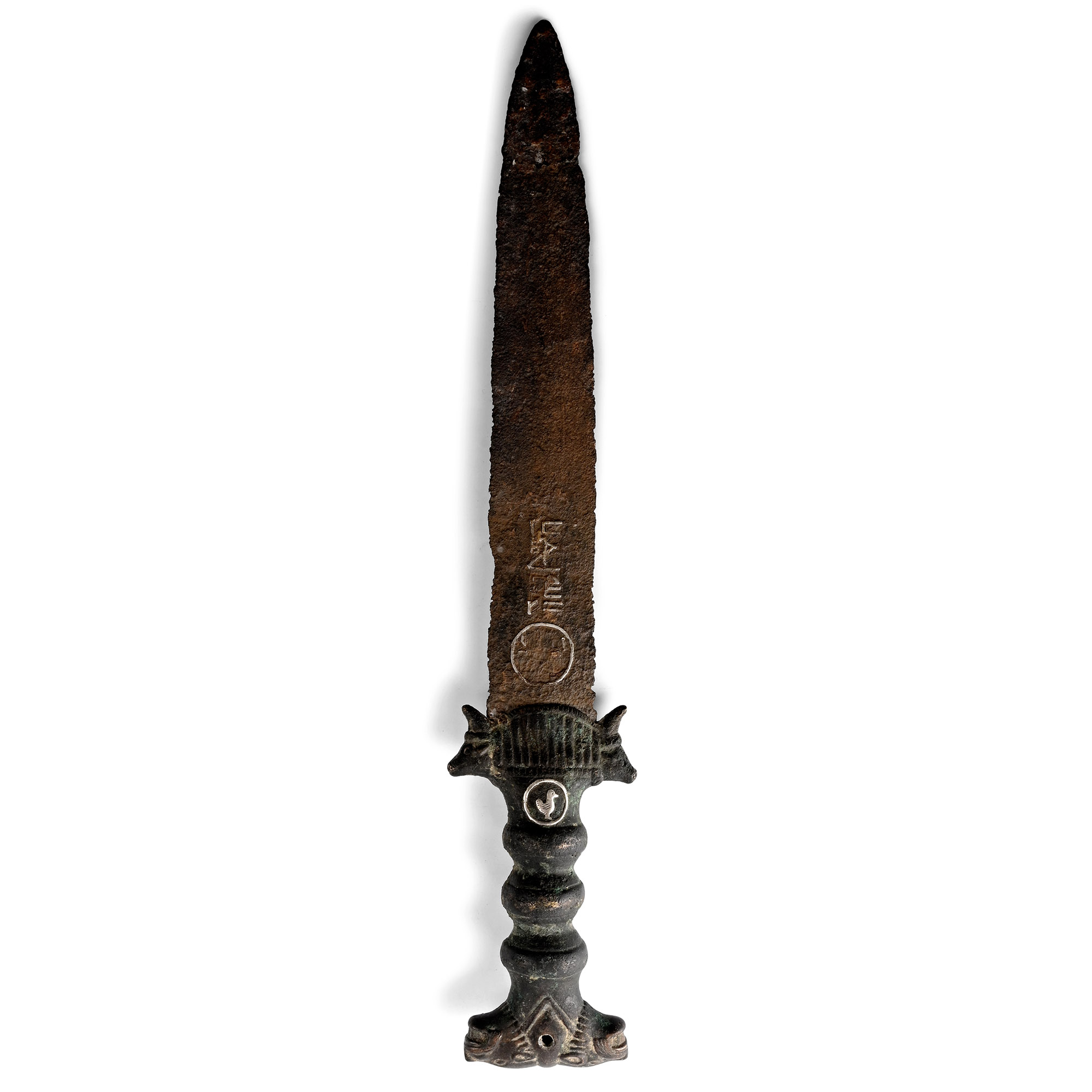
Western Asiatic Iron Dagger with Bronze Hilt
20TH CENTURY A.D.
15 in. (477 grams, 38 cm).
Comprising a broad iron two-edged blade wth inlaid white metal inscription to each face, T-shaped pommel, ribbed grip and narrow lower guard with inlaid bird motif in a circle. [No Reserve]
ProvenancePrivate collection, UK.
CONDITIONTimeLine Auctions follows a vetting process to ensure the authenticity and legality of all items, reinforcing our commitment to integrity and responsible trading. Each antiquity, antique, and coin lot undergoes thorough examination by a vetting committee of at least ten external specialists, professional trade association members, scientists, and archaeologists: Our Vetting Process
AUCTIONS:
TimeLine is a leading auction house specialising in antiquities, ancient art, collectables, natural history, coins, medals, and books. Our auctions offer museums, collectors, historians, and enthusiasts the opportunity to acquire unique and historically significant pieces.
-
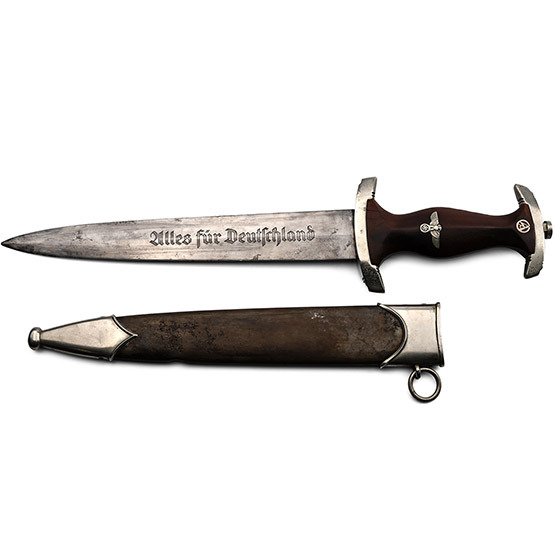
German Third Reich SA Dagger by Julius Bahrl Jr.Solingen
1933 A.D.Sold for (Inc. bp): £780
Comprising a broad blade with inscription 'Alles für Deutschland' ('everything for Germany') and maker's mark 'Julius Bahrl Jr., Solingen', slightly curved hilt, wooden grip bearing inset logo of eagle and swastika within a ring; sheath with attachment hoop and knob at scabbard chape. 444 grams, 37.5 cm
From the private collection of a Colchester, UK, gentleman.
The Julius Bahrl Jr. steel goods factory from Solingen-Merscheid is among the smaller Solingen makers that are only partially documented today. A verified founding year is not clearly preserved in the sources; however, the company is known to have been active in the early 1930s. This dagger is an Early Model 1933 SA Dagger (Sturmabteilung Dienstdolch). -
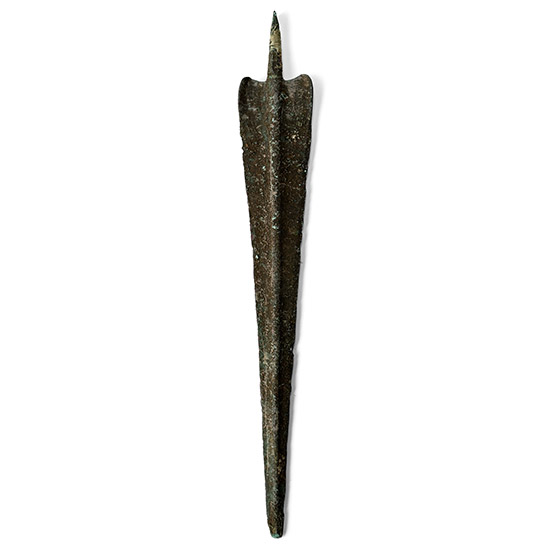
North-Western Persian Bronze Sword Blade
11h-7th century B.C.Sold for (Inc. bp): £117
With a prominently curved guard extending out from the ricasso, partly framing the hilt, thick midrib extending slightly above the ricasso. 286 grams, 35.5 cm
Ex Abelita family collection, 1980s-2000s.
The hilt of such swords was made separately and, unfortunately, is nearly always missing from the archaeological records. Similar daggers had a northern Iranian background, and excavated examples have been recorded from the South Caspian area from Tomadjan and Ghalekuti. Their chronology ranges from the late 2nd millennium B.C. to the 7th century B.C. -
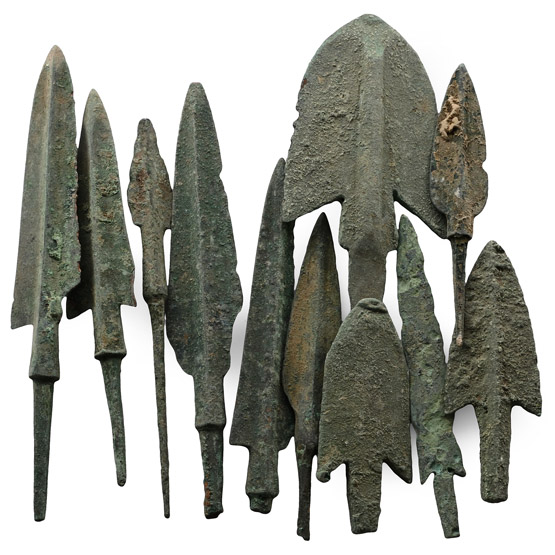
Western Asiatic Bronze Arrowhead Collection
1st millennium B.C.Sold for (Inc. bp): £117
Including barbed-and-tanged, leaf-shaped, spade-shaped and other types. 339 grams total, 7.9-14 cm
Ex London, UK, collection, 1990s.
