
Loading, please wait...
LOT 1346
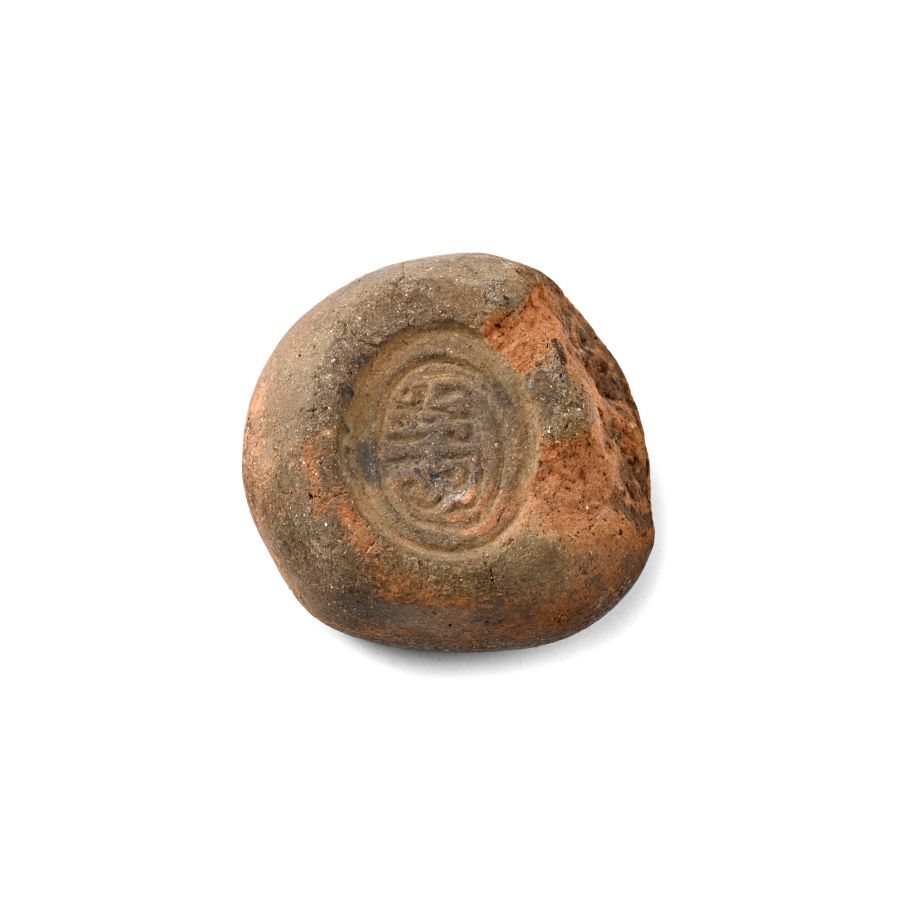
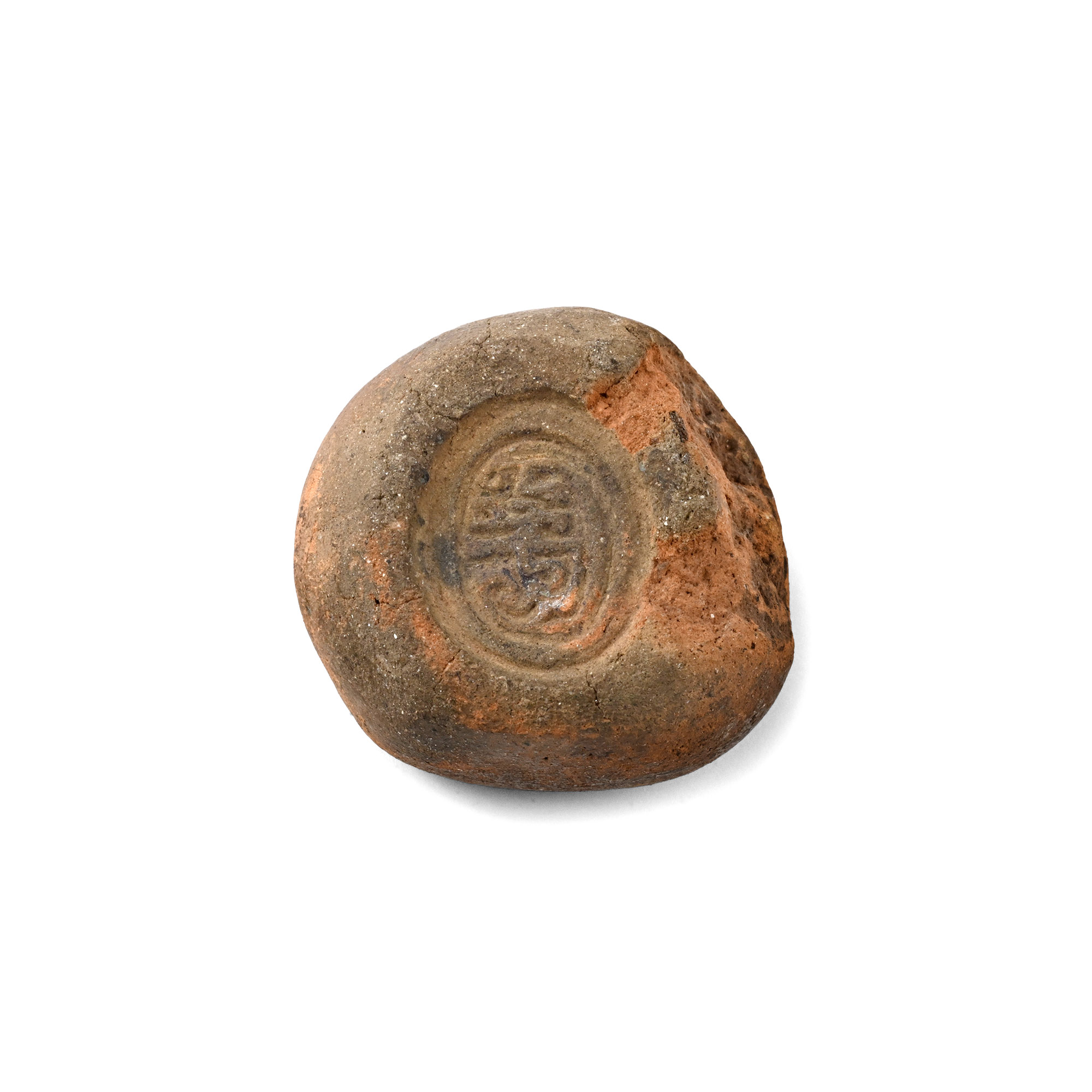
Western Asiatic Impressed Terracotta Bulla Seal
CIRCA 1ST-2ND CENTURY A.D.
1 1/8 in. (14 grams, 29 mm).
A bulla with oval stamp impression. [No Reserve]
ProvenanceFrom the late S M collection, London, UK, 1969-1999.
This lot has been cleared against the Art Loss Register database, and is accompanied by an illustrated lot declaration signed by the Head of the Antiquities Department, Dr Raffaele D'Amato.
TimeLine Auctions follows a vetting process to ensure the authenticity and legality of all items, reinforcing our commitment to integrity and responsible trading. Each antiquity, antique, and coin lot undergoes thorough examination by a vetting committee of at least ten external specialists, professional trade association members, scientists, and archaeologists: Our Vetting Process
AUCTIONS:
TimeLine is a leading auction house specialising in antiquities, ancient art, collectables, natural history, coins, medals, and books. Our auctions offer museums, collectors, historians, and enthusiasts the opportunity to acquire unique and historically significant pieces.
-
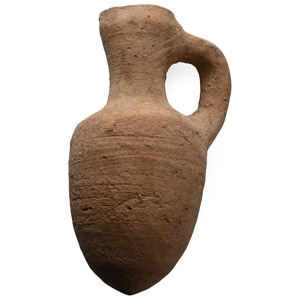
Western Asiatic 'Holy Land' Terracotta Jug
Bronze Age, 3rd-2nd millennium B.C.Sold for (Inc. bp): £78
With tapering rounded bottom, deep shoulder, tall neck pinched to a triangular shape, strap handle to the rear. 160 grams, 12.4 cm
From the collection of an Essex, UK, gentleman. This lot has been cleared against the Art Loss Register database, and is accompanied by an illustrated lot declaration signed by the Head of the Antiquities Department, Dr Raffaele D'Amato. -
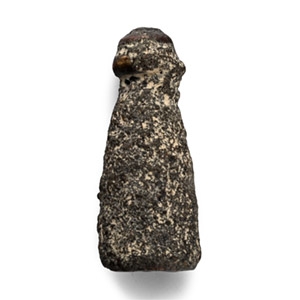
Western Asiatic Bronze Jewellery Punch
1st millennium B.C.Estimate: £150 - 200 (+bp*)
Opening Bid: £75
Skittle-shaped with three figures on the flat face. 8.9 grams, 27 mm
From the collection of a gentleman, acquired on the London art market in the 1990s. This lot has been cleared against the Art Loss Register database, and is accompanied by an illustrated lot declaration signed by the Head of the Antiquities Department, Dr Raffaele D'Amato. -
.jpg)
Western Asiatic Fragmentary Cuneiform Barrel with Coin Group
1st millennium B.C.Sold for (Inc. bp): £169
Comprising: a fusiform ceramic bead with impressed cuneiform text in four columns; group of twenty-seven bronze coins and fragments; in old cardboard soap box with handwritten legend inside lid 'Bought from an old beggar Arab at Murood, in desert'; wrapped in fragments of old English-language newspaper dated March 31, 1928. 145 grams total including box, 1-56 mm
Early 20th century private collection, acquired March 1925. Subsequently Simon Chorley Art & Antiques Ltd, Gloucestershire, 23rd September 2010. Private collection, acquired from the above. In a box marked 'Found by ourselves in Desert at Murmood (?) March 1925'. This lot has been cleared against the Art Loss Register database, and is accompanied by an illustrated lot declaration signed by the Head of the Antiquities Department, Dr Raffaele D'Amato.
