
Loading, please wait...
LOT 1277
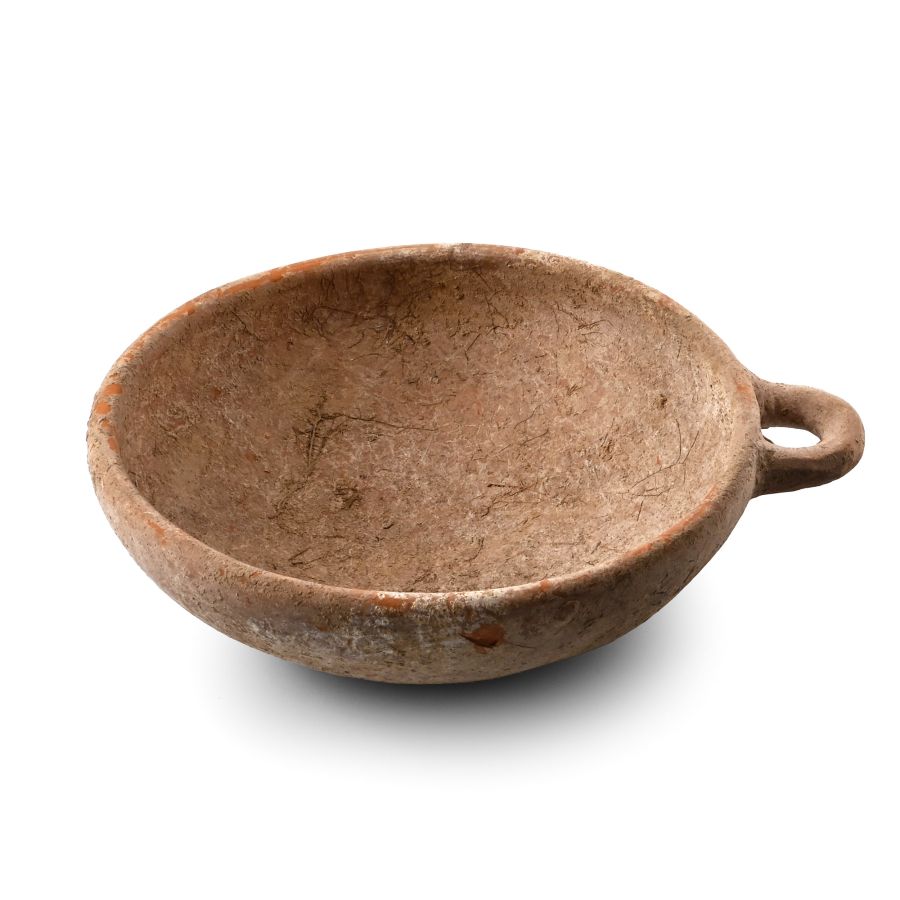
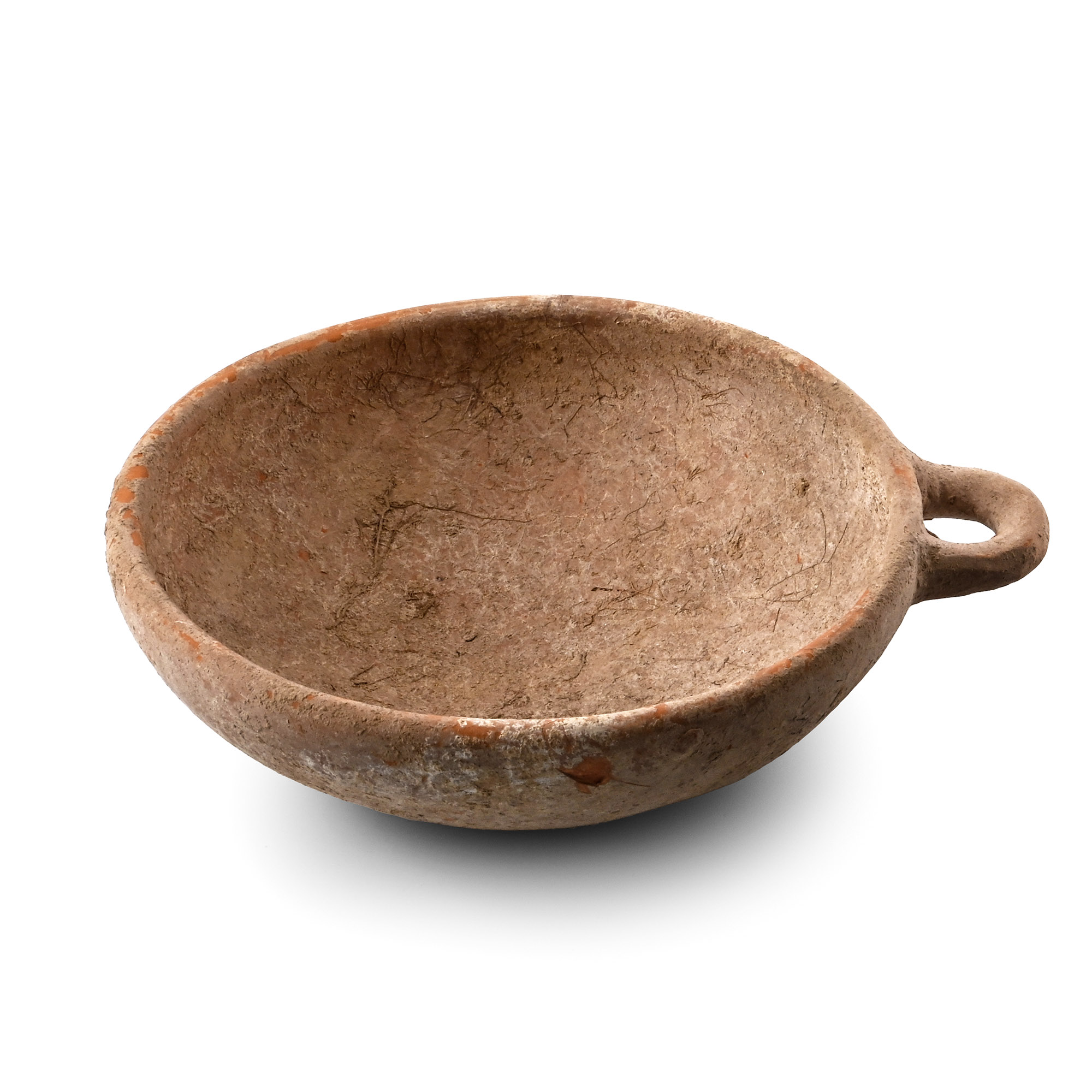
Western Asiatic Handled Pottery Bowl
1ST MILLENNIUM B.C.
8 1/4 in. (477 grams, 21 cm).
Shallow bowl with inturned rim and loop handle below the rim.
ProvenanceFrom the collection of a gentleman, 1988-2000s.
CONDITIONTimeLine Auctions follows a vetting process to ensure the authenticity and legality of all items, reinforcing our commitment to integrity and responsible trading. Each antiquity, antique, and coin lot undergoes thorough examination by a vetting committee of at least ten external specialists, professional trade association members, scientists, and archaeologists: Our Vetting Process
AUCTIONS:
TimeLine is a leading auction house specialising in antiquities, ancient art, collectables, natural history, coins, medals, and books. Our auctions offer museums, collectors, historians, and enthusiasts the opportunity to acquire unique and historically significant pieces.
-
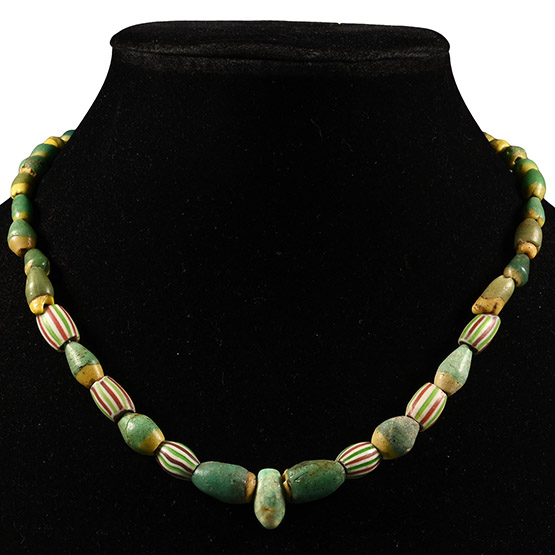
Western Asiatic and Other Green Glass Bead Necklace
20th century A.D.Estimate: £280 - 380 (+bp*)
Opening Bid: £140
A restrung designer necklace including Roman green and yellow 'date heads', Venetian striped 'watermelon' cheveron beads. 36.3 grams, 43 cm
From the collection of a gentleman, acquired on the London art market in the 1990s. -
.jpg)
Western Asiatic Banded Agate Animal Bead
1st millennium B.C.Estimate: £300 - 400 (+bp*)
Opening Bid: £150
Carved in the round, bottle-sjaped with ribbed band of hair or fur, ring-and-dot eyes. 2.93 grams, 20 mm
Private collection, England. -
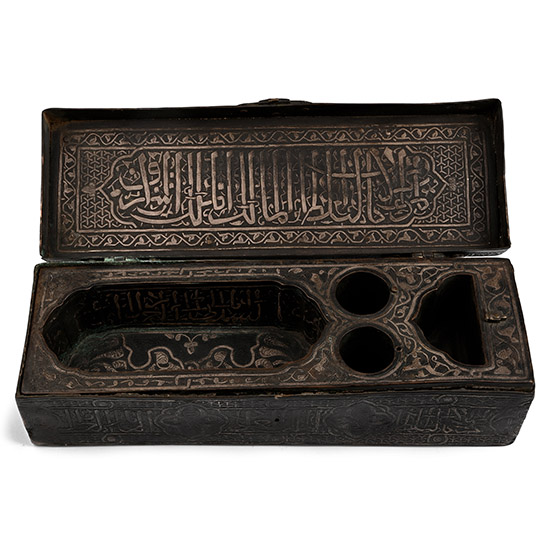
Large Mamluk Style Inlaid Iron Pen Box
20th century A.D.Sold for (Inc. bp): £468
Rectangular with inlaid geometric and tendril designs to the lid and sides, inside and out; hinged lid, slots for pens and ink. 3.02 kg, 31.5 x 10.5 cm
Private collection, UK.
