
Loading, please wait...
LOT 1296
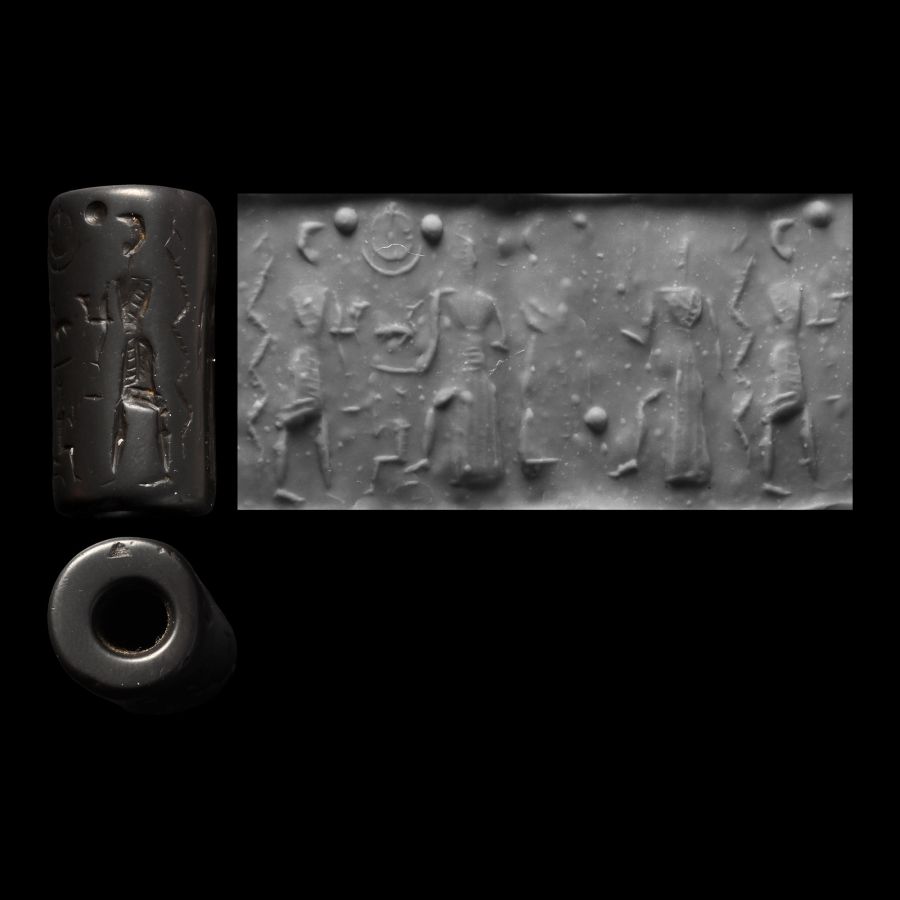
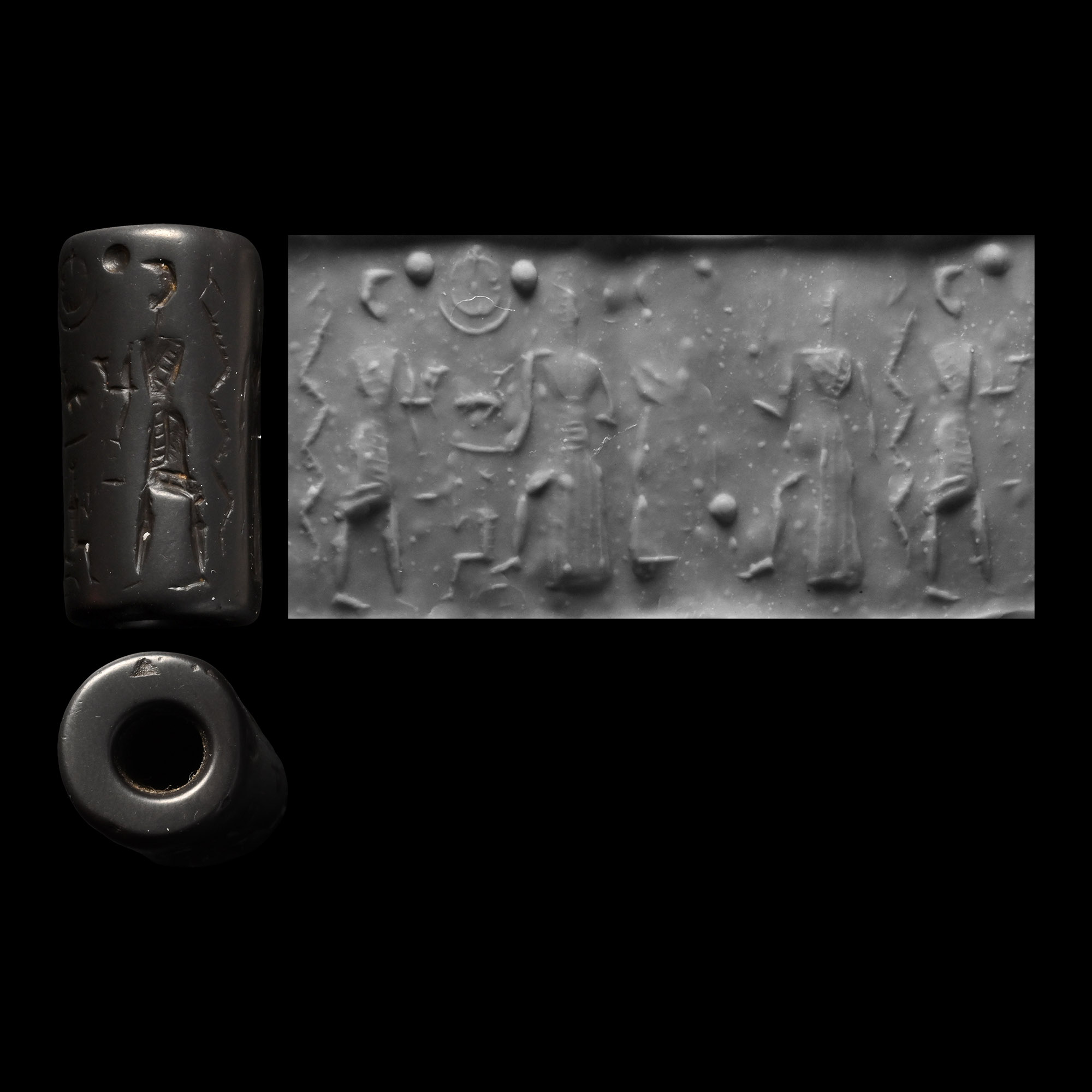
Western Asiatic Haematite Cylinder Seal with Processional Scene
SUMERIA OR SYRIA, CIRCA 1800 B.C.
1 in. (12.3 grams, 25 mm).
Columnar in profile and pierced laterally, incuse scene of two standing figures facing each other with a smaller figure, bird (?) and sun with crescent moon between them; a second pair of figures facing each other, one of them worn. [No Reserve]
ProvenanceEx Constable collection, 1990s.
Ex P. Morris collection.
Accompanied by four old photographs, one dated 'Bromley 1995'.
TimeLine Auctions follows a vetting process to ensure the authenticity and legality of all items, reinforcing our commitment to integrity and responsible trading. Each antiquity, antique, and coin lot undergoes thorough examination by a vetting committee of at least ten external specialists, professional trade association members, scientists, and archaeologists: Our Vetting Process
AUCTIONS:
TimeLine is a leading auction house specialising in antiquities, ancient art, collectables, natural history, coins, medals, and books. Our auctions offer museums, collectors, historians, and enthusiasts the opportunity to acquire unique and historically significant pieces.
LOT 1296
Western Asiatic Haematite Cylinder Seal with Processional Scene
Sold for (Inc. bp): £156
-
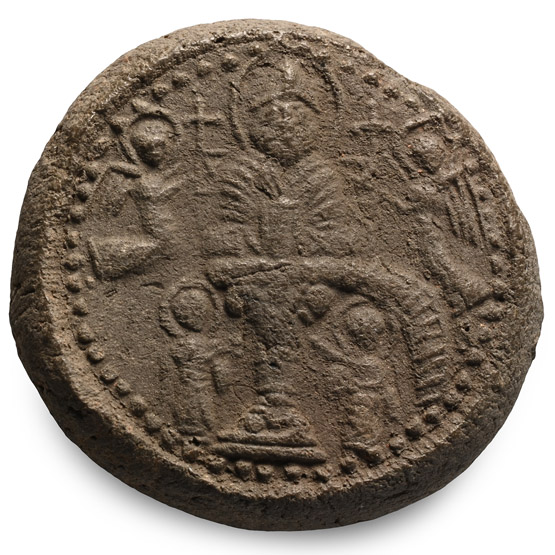
Simon Stylite Terracotta Pilgrim's Token
6th-8th century A.D.Estimate: £200 - 300 (+bp*)
Opening Bid: £100
Plano-convex in section with impressed design of a nimbate figure crouching atop a column, flanked by levitating angels and standing nimbate figures, all within a pelleted border. 11.9 grams, 32 mm
Ex important Christian collection, 1970s. -
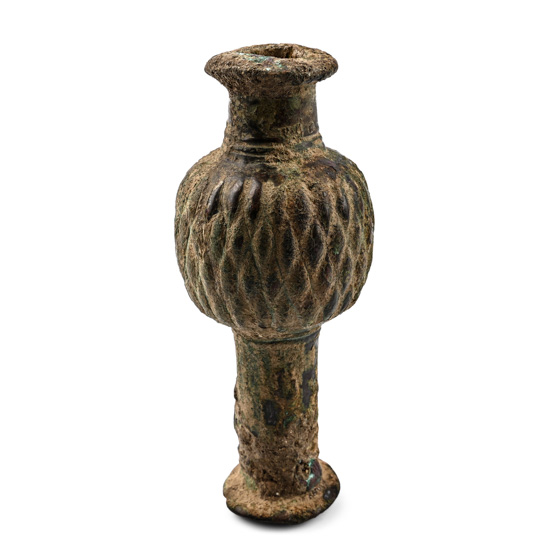
Elamite Bronze 'Pineapple' Macehead
Circa 2nd millennium B.C.Estimate: £400 - 600 (+bp*)
Opening Bid: £200
A hollow-formed tubular neck with flared rim and segmented collar, bulb above with deep latticework effect, tapering finial with trumpet-shaped flange collar. 273 grams, 12.6 cm
Acquired in the mid-1980s to early 1990s. Private collection, London, UK. -
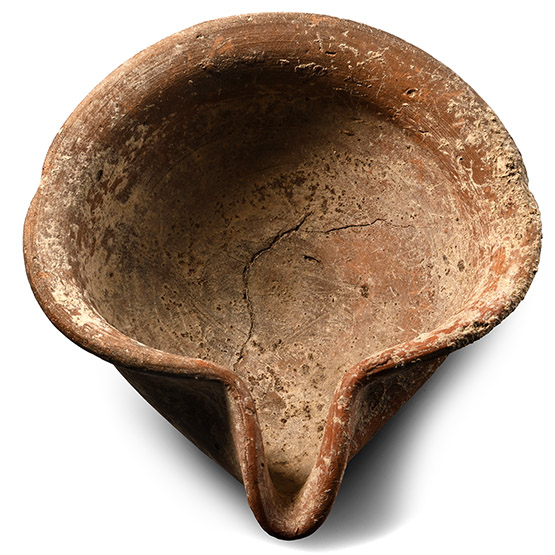
Very Large Bronze Age Holy Land Terracotta Pinched Rim Oil Lamp
Joash-Jeroboam II to Pekah, circa 885-815 B.C.Sold for (Inc. bp): £182
Discoid in plan with domed centre and carinated rim pinched to form a nozzle; impressed legend on base. 297 grams, 15.3 cm
From the Lloyd and Jeanne Raport collection, Washington, D.C. and Florida, USA, formed between 1972-2000. Acquired through Bonhams, London, UK.
