
Loading, please wait...
LOT 1183
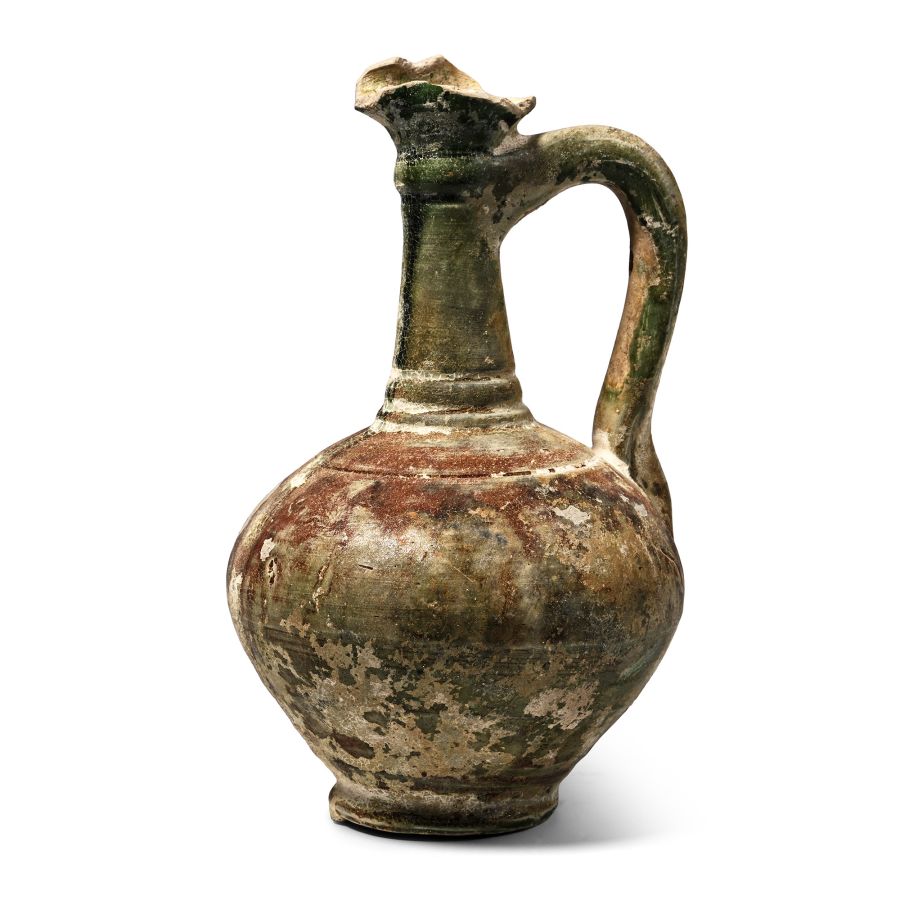
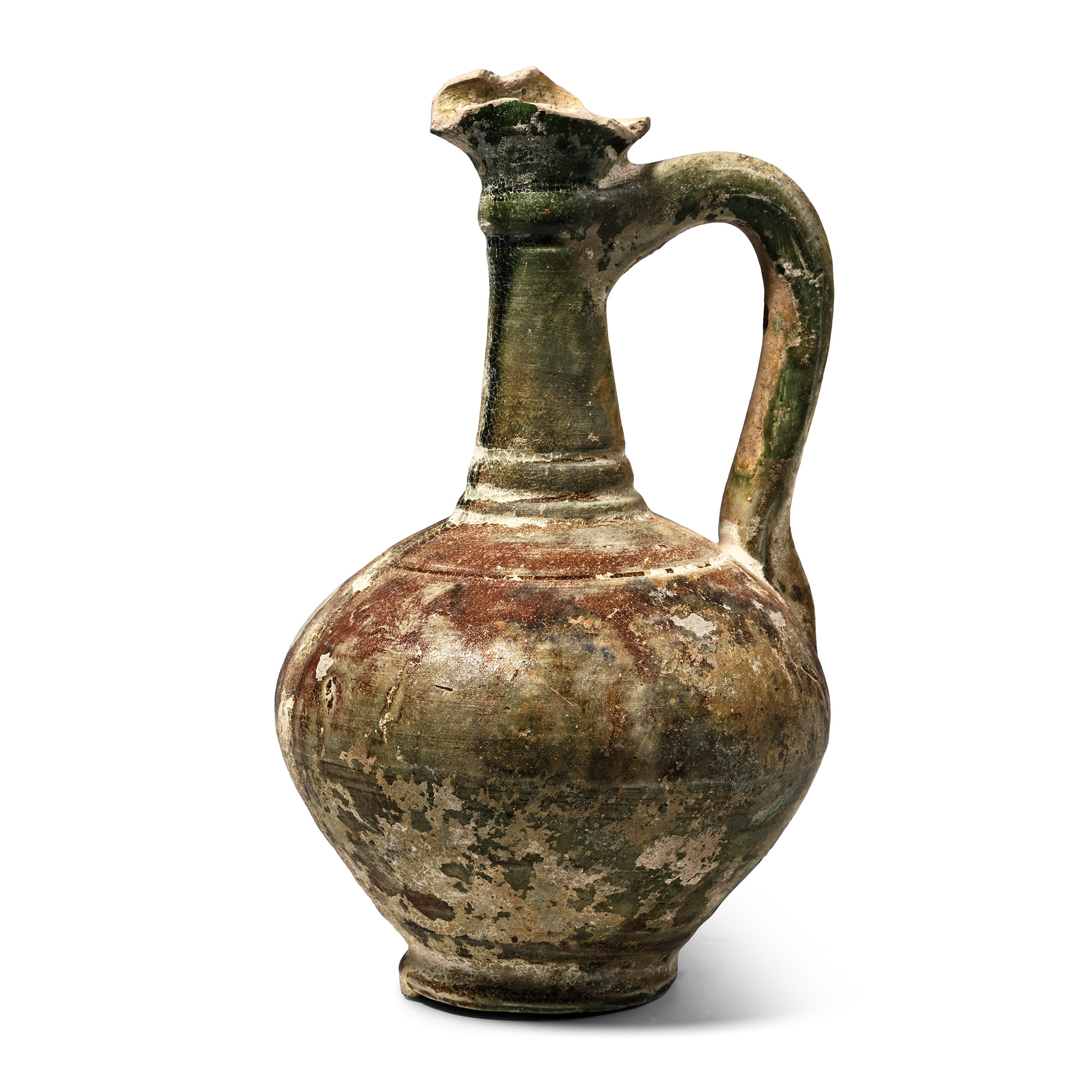
Western Asiatic Green Glazed Pottery Jug
12TH-14TH CENTURY A.D.
7 1/8 in. (390 grams, 18.2 cm).
Comprising an onion-shaped body with basal ring and broad curved shoulder, tiered neck, strap handle; mouth and pouring lip chipped.
ProvenanceFrom the collection of a gentleman, 1988-2000s.
CONDITIONTimeLine Auctions follows a vetting process to ensure the authenticity and legality of all items, reinforcing our commitment to integrity and responsible trading. Each antiquity, antique, and coin lot undergoes thorough examination by a vetting committee of at least ten external specialists, professional trade association members, scientists, and archaeologists: Our Vetting Process
AUCTIONS:
TimeLine is a leading auction house specialising in antiquities, ancient art, collectables, natural history, coins, medals, and books. Our auctions offer museums, collectors, historians, and enthusiasts the opportunity to acquire unique and historically significant pieces.
-
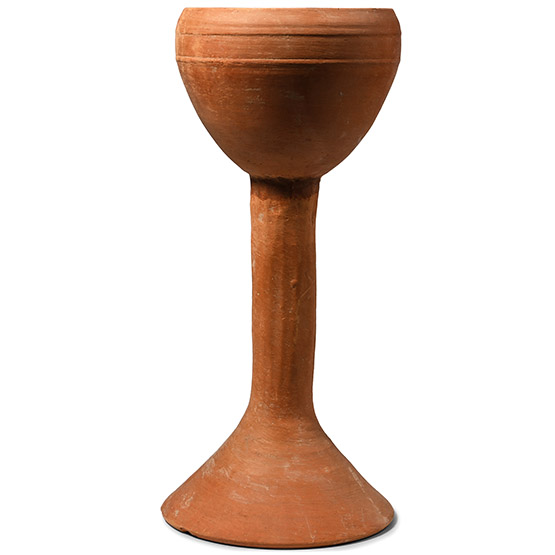
Tall Western Asiatic Pottery Chalice
1st millennium B.C.Estimate: £100 - 140 (+bp*)
Opening Bid: £50
With slender stem and trumpet-shaped foot, mammiform bowl with raised collar beneath the rim. 527 grams, 26.5 cm
From the collection of a gentleman, 1988-2000s. -
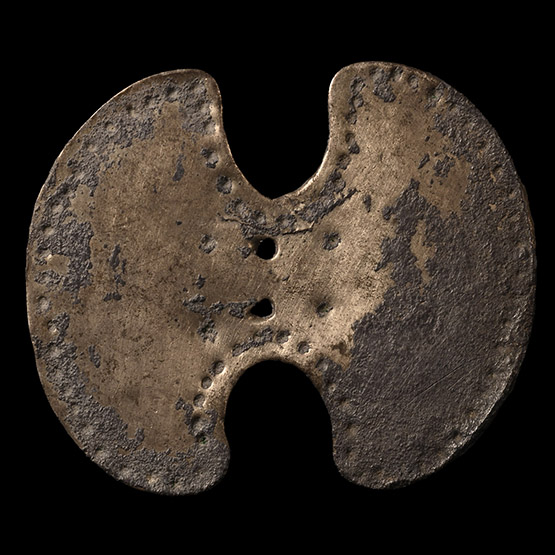
Early Bronze Age Silver Idol
Circa 2400-2100 B.C.Sold for (Inc. bp): £1,872
Of unusual double pelta type, symbolising a female human body, embossed dots to the perimeter and two holes to the centre. 17.88 grams, 64 mm
From a private family collection formed since the early 19th century, thence by descent. Property of a New Zealand legal professional. Accompanied by an academic report by Dr Raffaele D’Amato. This lot has been checked against the Interpol Database of stolen works of art and is accompanied by search certificate number no.12318-223718. -
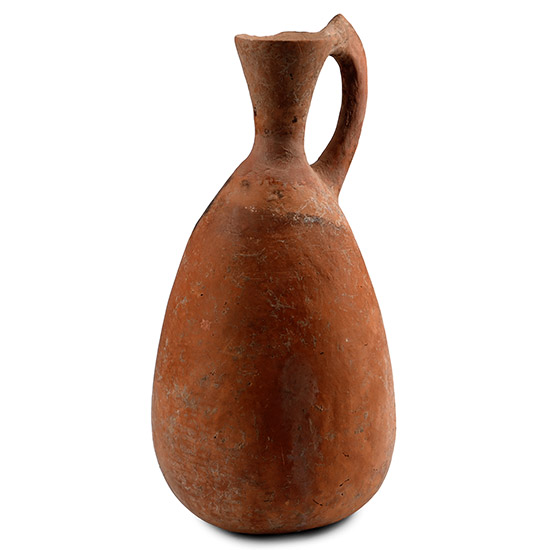
Amlash Pottery Jug with Zoomorphic Handle
1st millennium B.C.Sold for (Inc. bp): £117
Comprising a tall conical body and broad base with funicular mouth and loop handle. 756 grams, 26.8 cm
From the collection of a gentleman, 1988-2000s.
