
Loading, please wait...
LOT 0879
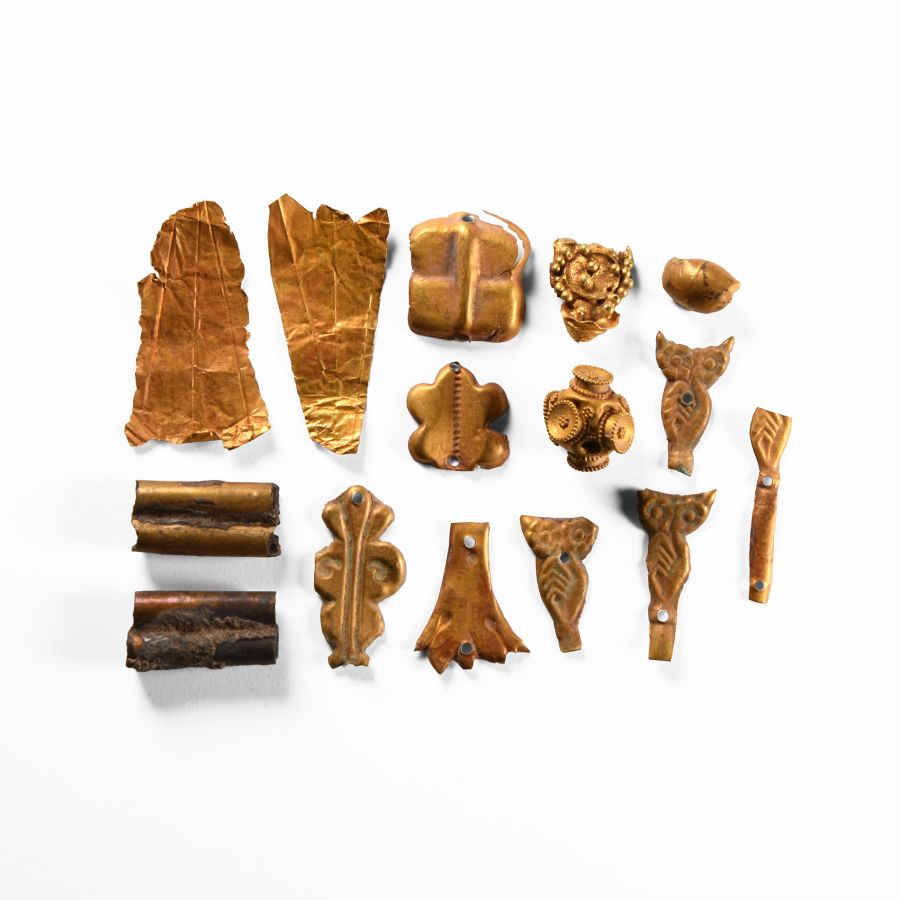
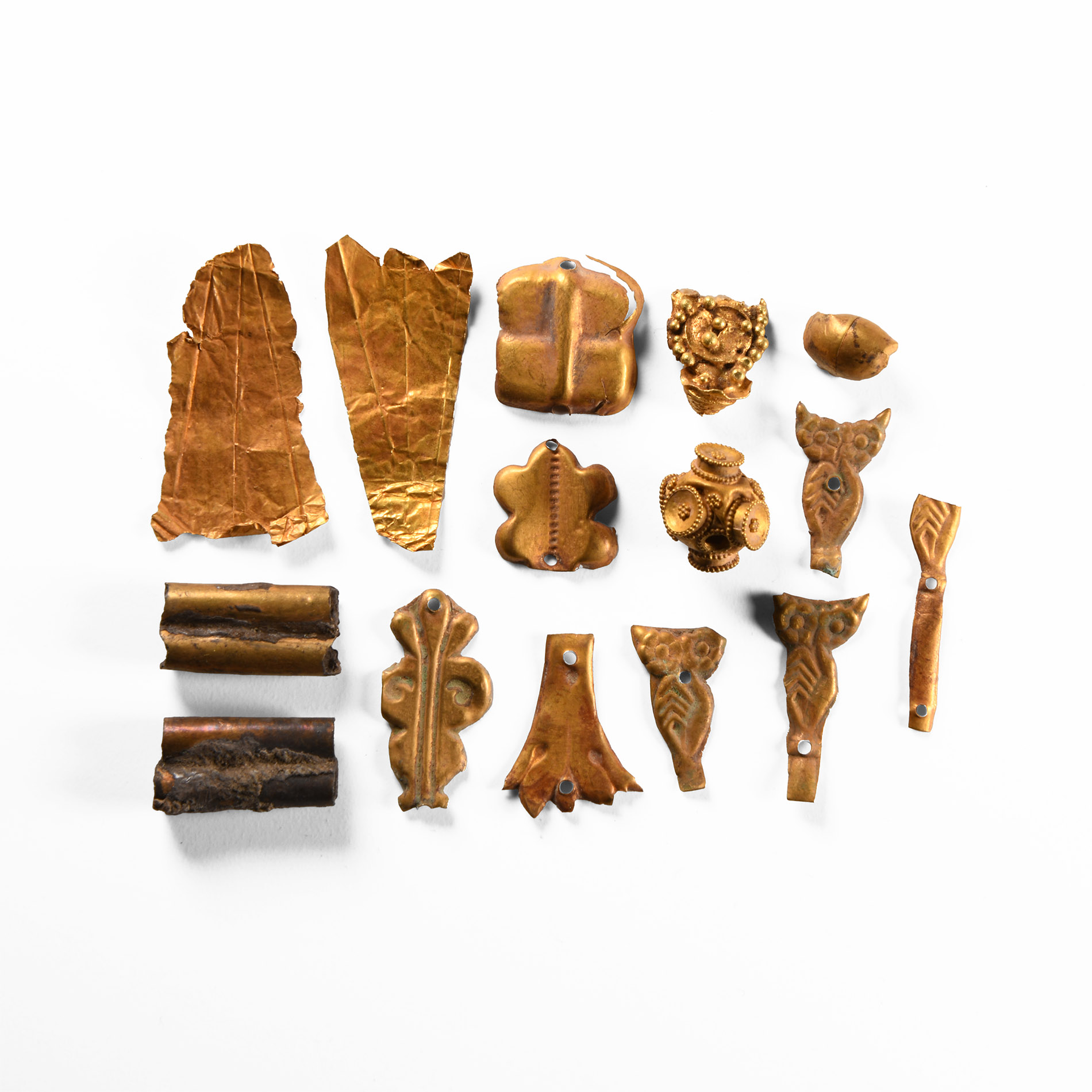
Western Asiatic Gold Artefact Collection
1ST MILLENNIUM B.C. AND LATER
3/8 - 1 1/8 in. (6.45 grams total, 8-30 mm).
Mainly comprising sheet-gold beads and decorative elements, including double tubular beads, domes, lotiform ornaments, a spherical bead with spool-shaped and filigree ornament, together with other types. [15]
ProvenanceUK gallery, early 2000s.
CONDITIONTimeLine Auctions follows a vetting process to ensure the authenticity and legality of all items, reinforcing our commitment to integrity and responsible trading. Each antiquity, antique, and coin lot undergoes thorough examination by a vetting committee of at least ten external specialists, professional trade association members, scientists, and archaeologists: Our Vetting Process
AUCTIONS:
TimeLine is a leading auction house specialising in antiquities, ancient art, collectables, natural history, coins, medals, and books. Our auctions offer museums, collectors, historians, and enthusiasts the opportunity to acquire unique and historically significant pieces.
-
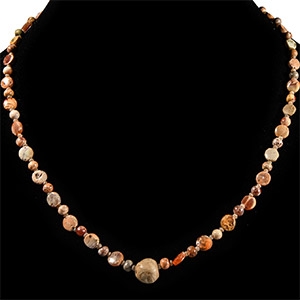
Western Asiatic Carnelian Bead Necklace
1st millennium B.C. and laterSold for (Inc. bp): £130
Comprising a restrung necklace of patinated carnelian disc beads with central larger stone bead, separated by tiny glass spacers between and modern screw clasp. 18 grams, 52 cm long
UK gallery, early 2000s. -
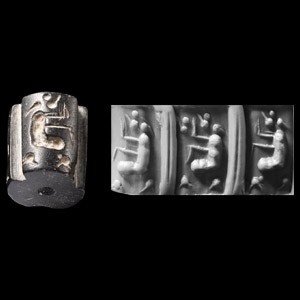
Uruk Black Stone Cylinder Seal with Seated Figure
Circa 2nd-1st millennium B.C.Sold for (Inc. bp): £468
Featuring three vertical grooves separating the seal into three separate panels, each drilled with a female figure seated beside pots; drilled vertically for suspension. 15.7 grams, 22 mm
From an important London, UK, collection, 1970-1990. Examined by Professor Wilfrid George Lambert FBA (1926-2011), historian, archaeologist, and specialist in Assyriology and Near Eastern archaeology, in the late 1980s and early 1990s. -
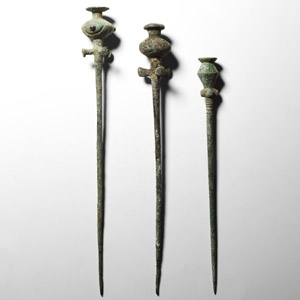
Luristan Bronze Pin Collection
2nd-1st millennium B.C.Sold for (Inc. bp): £169
A trio of pins composed of tapering round-section pins and decorative finials featuring projecting arms and vessel-like tops. 206 grams total, 18.5 - 22 cm
Acquired 1980-2015. Ex Abelita family collection.
