
Loading, please wait...

LOT 1129
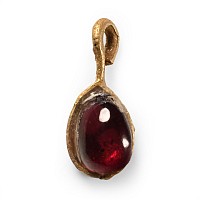
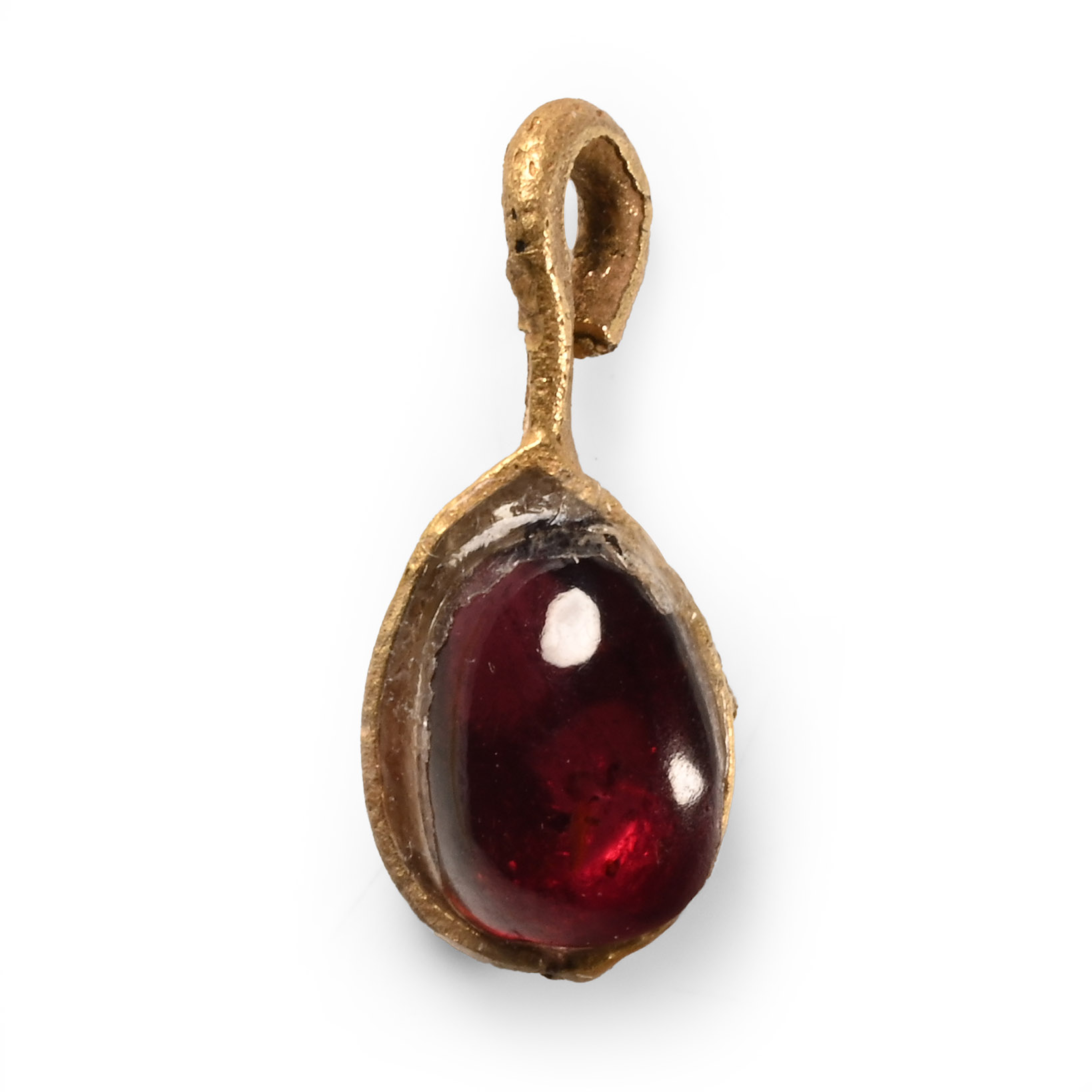
Western Asiatic Gold and Garnet Pendant
1ST MILLENNIUM B.C.
1/2 in. (0.65 grams, 14 mm).
Piriform garnet cabochon in gold cell with hook, openwork to reverse.
ProvenanceEx property of a late Japanese collector, 1970-2000s.
CONDITIONTimeLine Auctions follows a vetting process to ensure the authenticity and legality of all items, reinforcing our commitment to integrity and responsible trading. Each antiquity, antique, and coin lot undergoes thorough examination by a vetting committee of at least ten external specialists, professional trade association members, scientists, and archaeologists: Our Vetting Process
AUCTIONS:
TimeLine is a leading auction house specialising in antiquities, ancient art, collectables, natural history, coins, medals, and books. Our auctions offer museums, collectors, historians, and enthusiasts the opportunity to acquire unique and historically significant pieces.
-
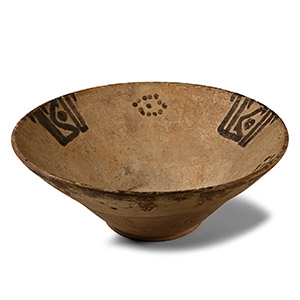
Samarkand Ware Calligraphic Ceramic Bowl
Circa 10th century A.D.Sold for (Inc. bp): £195
Conical with low foot, slip-painted with chestnut brown band to the rim, three calligraphic panels to the inner face below the rim with interstitial red and black rosettes. 620 grams, 22 cm diameter
From the Steel family collection, 1950s-late 1990s. -
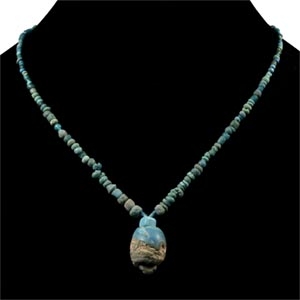
Achaemenid Glass Bead Necklace String
500 B.C. and laterSold for (Inc. bp): £46
Composed of mainly oblate turquoise-coloured beads with a large barrel-shaped feature bead. 16.7 grams, 36.5 cm
Ex property of a late Japanese collector, 1970-2000s. -
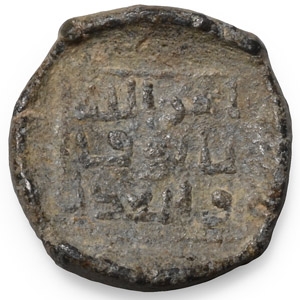
Western Asiatic Lead Document Seal with 'The order of God and ... and Justice' Inscription
8th-9th century A.D.Sold for (Inc. bp): £59
Disc seal with crimped edge, low-relief legend 'The order of God and ... and Justice'. 4 grams, 18 mm
From the collection of a gentleman, acquired on the London art market in the 1990s.
