
Loading, please wait...
LOT 0935
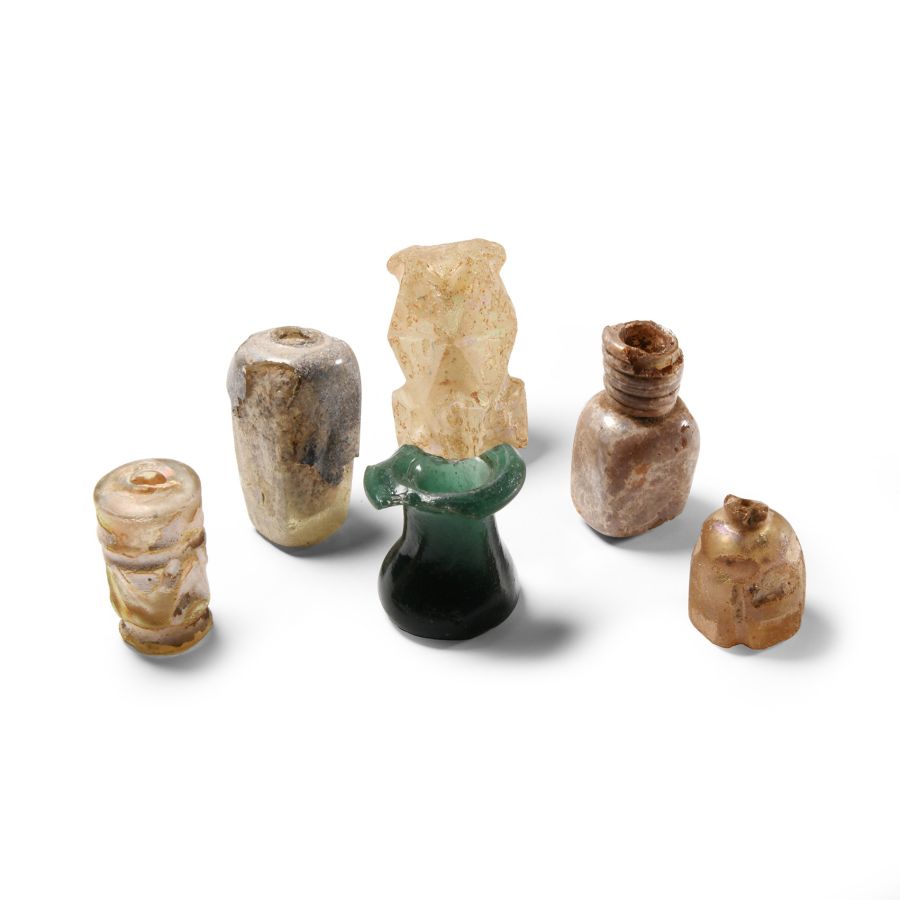
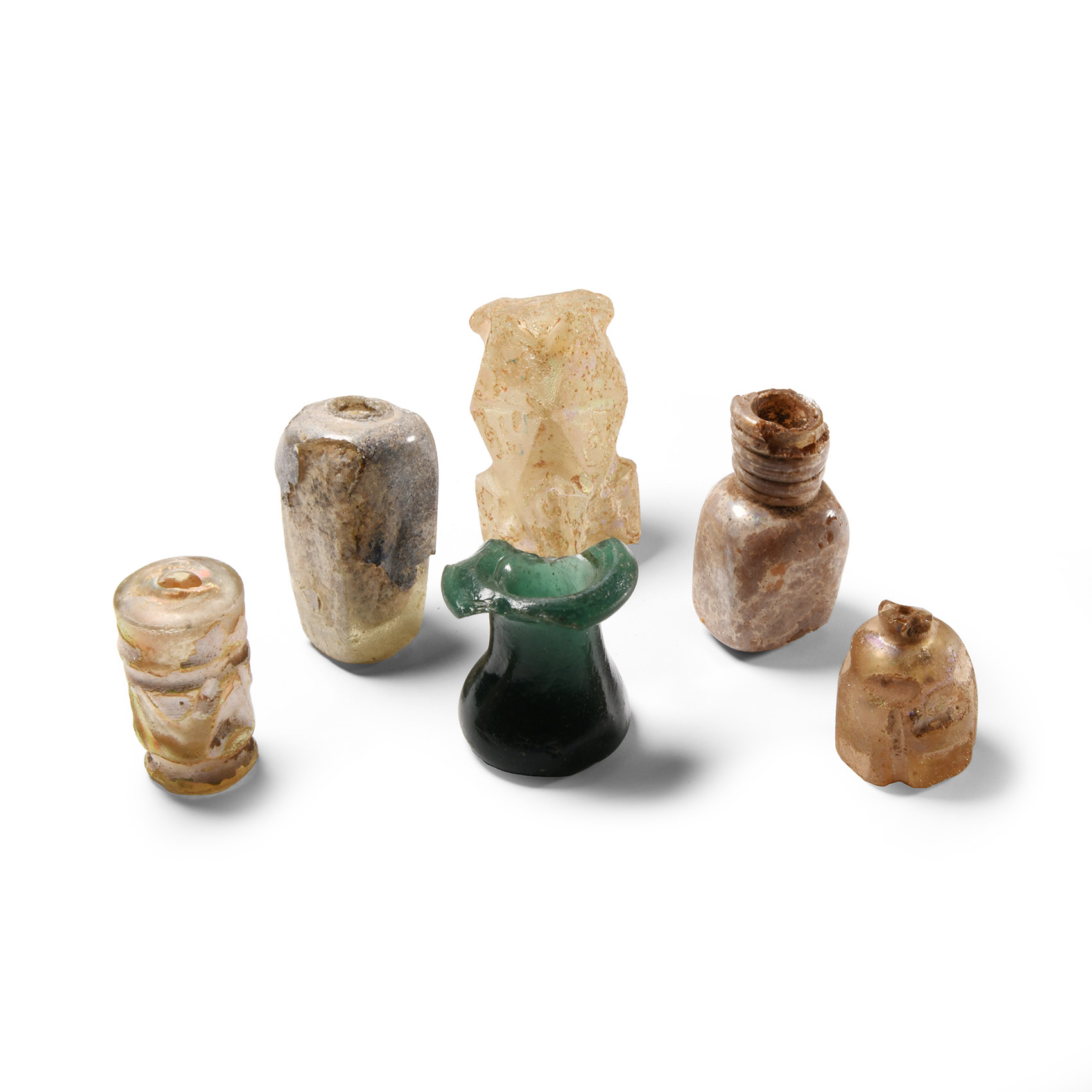
Western Asiatic Glass Vessel Collection
8TH-10TH CENTURY A.D.
1 - 2 in. (114 grams total, 27-51 mm).
Including cut glass molar flasks; chipped. [6, No Reserve]
ProvenanceAcquired 1970s-1996.
Property of a North American collector.
London collection, 2016.
TimeLine Auctions follows a vetting process to ensure the authenticity and legality of all items, reinforcing our commitment to integrity and responsible trading. Each antiquity, antique, and coin lot undergoes thorough examination by a vetting committee of at least ten external specialists, professional trade association members, scientists, and archaeologists: Our Vetting Process
AUCTIONS:
TimeLine is a leading auction house specialising in antiquities, ancient art, collectables, natural history, coins, medals, and books. Our auctions offer museums, collectors, historians, and enthusiasts the opportunity to acquire unique and historically significant pieces.
-
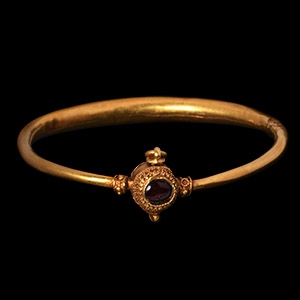
Western Asiatic Gold Hinged Bracelet with Garnet
Circa 12th-14th century A.D. and laterSold for (Inc. bp): £715
Composed of a tapering hoop with articulate hinge, collars adorned with filigree and granules, bezel set with a polished garnet cabochon in granulated surround; pin present. 6.22 grams, 46 mm wide
From the collection of a North American gentleman, formed in the 1990s. -
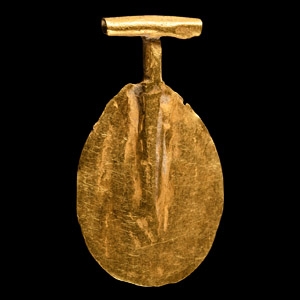
Western Asiatic Gold Teardrop Bead
4th millennium B.C.Estimate: £400 - 600 (+bp*)
Opening Bid: £200
The oval-shaped body with a flat cross-section, short stem and slender tubular suspension loop. 1.75 grams, 24 mm
From a late Japanese specialist collector, 1970-2000s. -
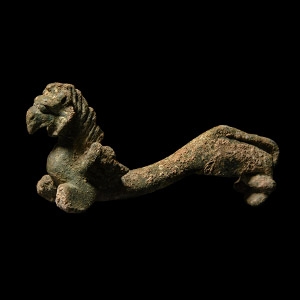
Western Asiatic Bronze Gryphon Statuette
Mid 1st millennium B.C.Sold for (Inc. bp): £338
With beaked face, curled mane to the arched neck, slender body with small wings to the shoulders and extended hind legs with tail between. 215 grams, 12.5 cm
Fine condition.
London collection since the 1980s. Property of a Canadian family.
