
Loading, please wait...
LOT 1178
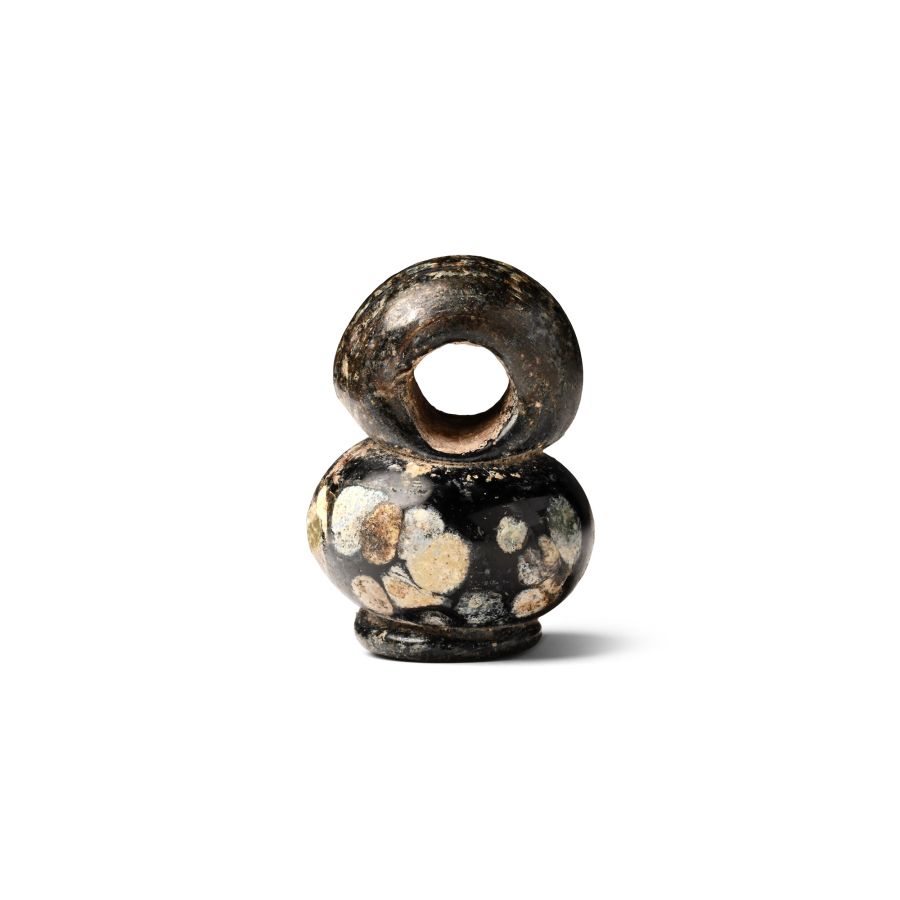
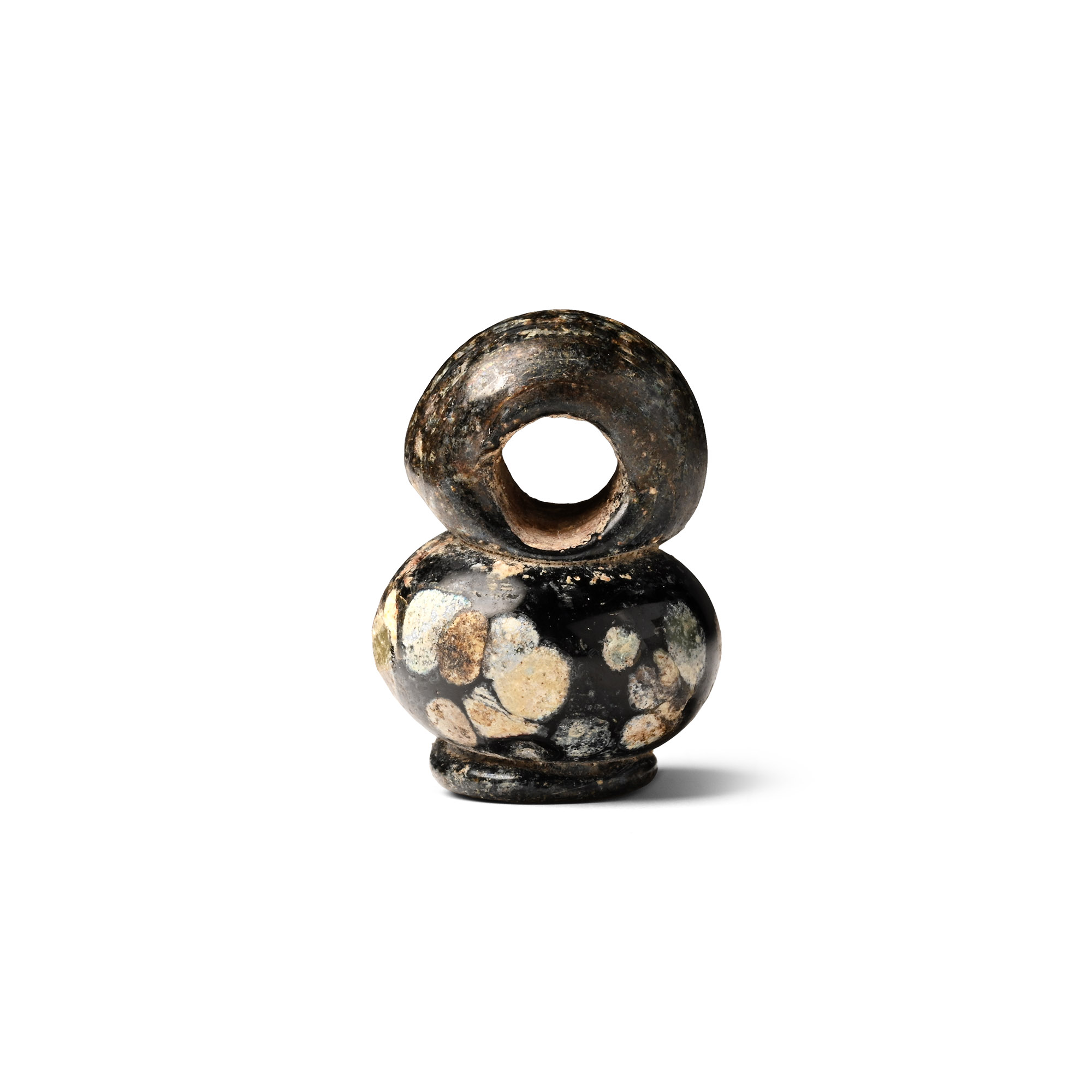
Western Asiatic Glass Jug Pendant
10TH-14TH CENTURY A.D.
7/8 in. (5.14 grams, 22 mm).
With bulbous body and discoid base, thick loop, applied coloured inserts. [No Reserve]
ProvenanceFrom the private collection of the late Mr S.M., 1969-1999.
CONDITIONTimeLine Auctions follows a vetting process to ensure the authenticity and legality of all items, reinforcing our commitment to integrity and responsible trading. Each antiquity, antique, and coin lot undergoes thorough examination by a vetting committee of at least ten external specialists, professional trade association members, scientists, and archaeologists: Our Vetting Process
AUCTIONS:
TimeLine is a leading auction house specialising in antiquities, ancient art, collectables, natural history, coins, medals, and books. Our auctions offer museums, collectors, historians, and enthusiasts the opportunity to acquire unique and historically significant pieces.
-
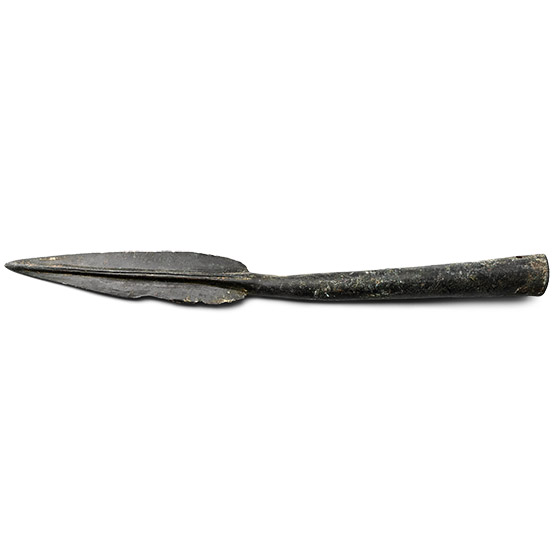
Amlash Bronze Spearhead
9th-7th century B.C.Sold for (Inc. bp): £130
Comprising a leaf-shaped blade with a midrib and a long tapering socket. 128 grams, 31 cm
Ex Abelita family collection, 1980s-2000s.
The spear, belonging to type 3 of the Khorasani classification, was used by chariot fighters to strike each other or the enemy infantry from above. Similar specimens with longer sockets were excavated by Negahban in the Amlash area. According to Moorey, sockets as long, if not longer than the blade, are a characteristic of Iranian spearheads in the late 2nd and early 1st millennium B.C. A similar spearhead from the Tappeh Sialk has been dated to the 9th-7th century B.C. -
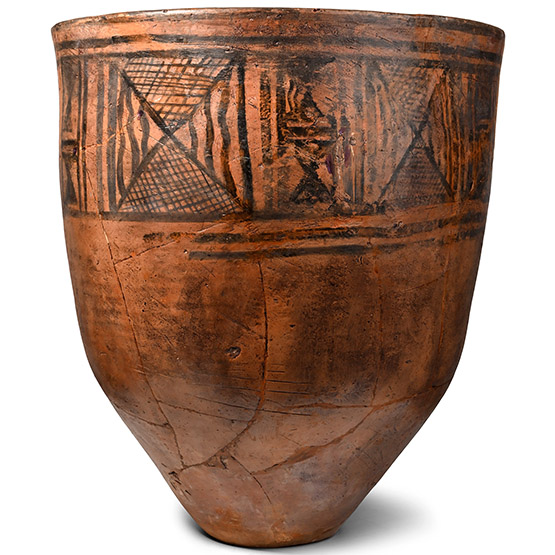
Monumental Western Asiatic Pottery Jar
Circa 3000 B.C.Estimate: £1,500 - 2,000 (+bp*)
Opening Bid: £600
Comprising a sharply tapering lower body, parallel-sided upper body and rounded rim; decorated in dark brown with thirteen square panels with central saltire on a hatched field; repaired. 17 kg, 64 cm high
with Mahboubian Gallery, London, UK, 1974. Private collection, London, UK. This lot has been checked against the Interpol Database of stolen works of art and is accompanied by search certificate number no.12972-245238. -
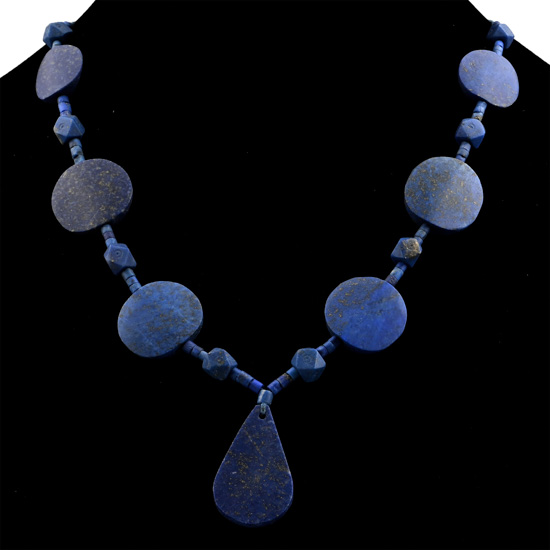
Bactrian Style Lapis Lazuli Coin-Shaped and Other Bead Necklace String
20th century A.D.Sold for (Inc. bp): £52
Restrung group of annular and tabular beads with a teardrop-shaped pendant. 63 grams, 36.5 cm
From London, UK, gallery collection, 1990s.
