
Loading, please wait...
LOT 1334
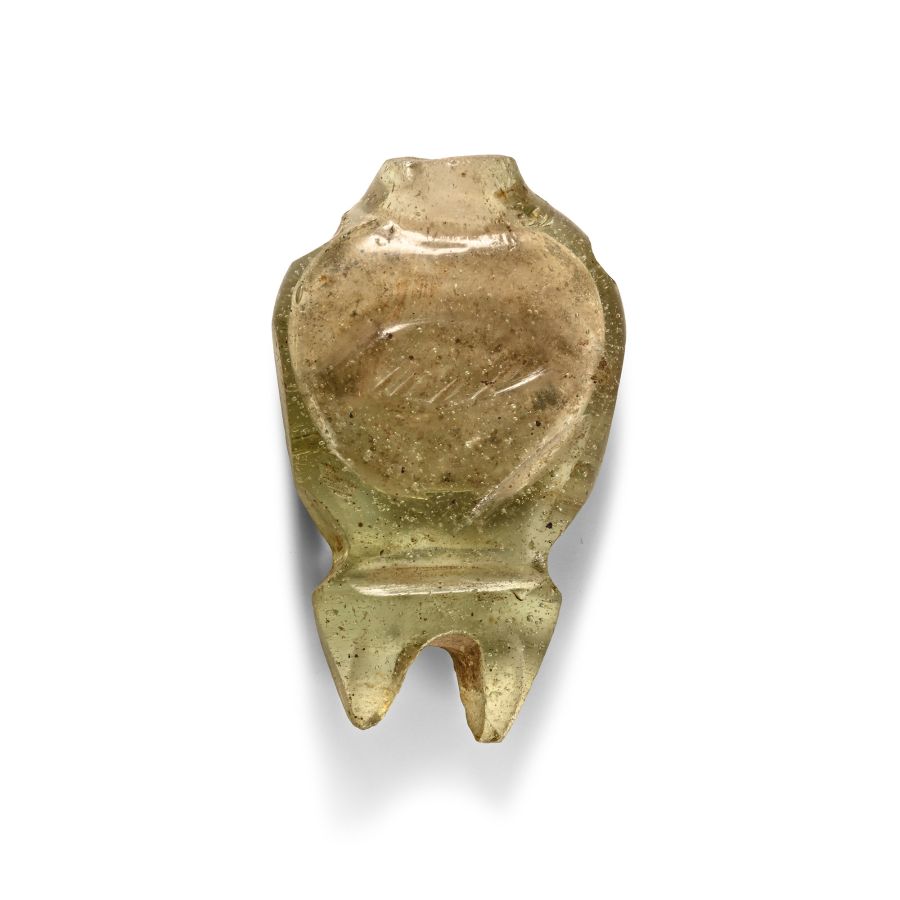
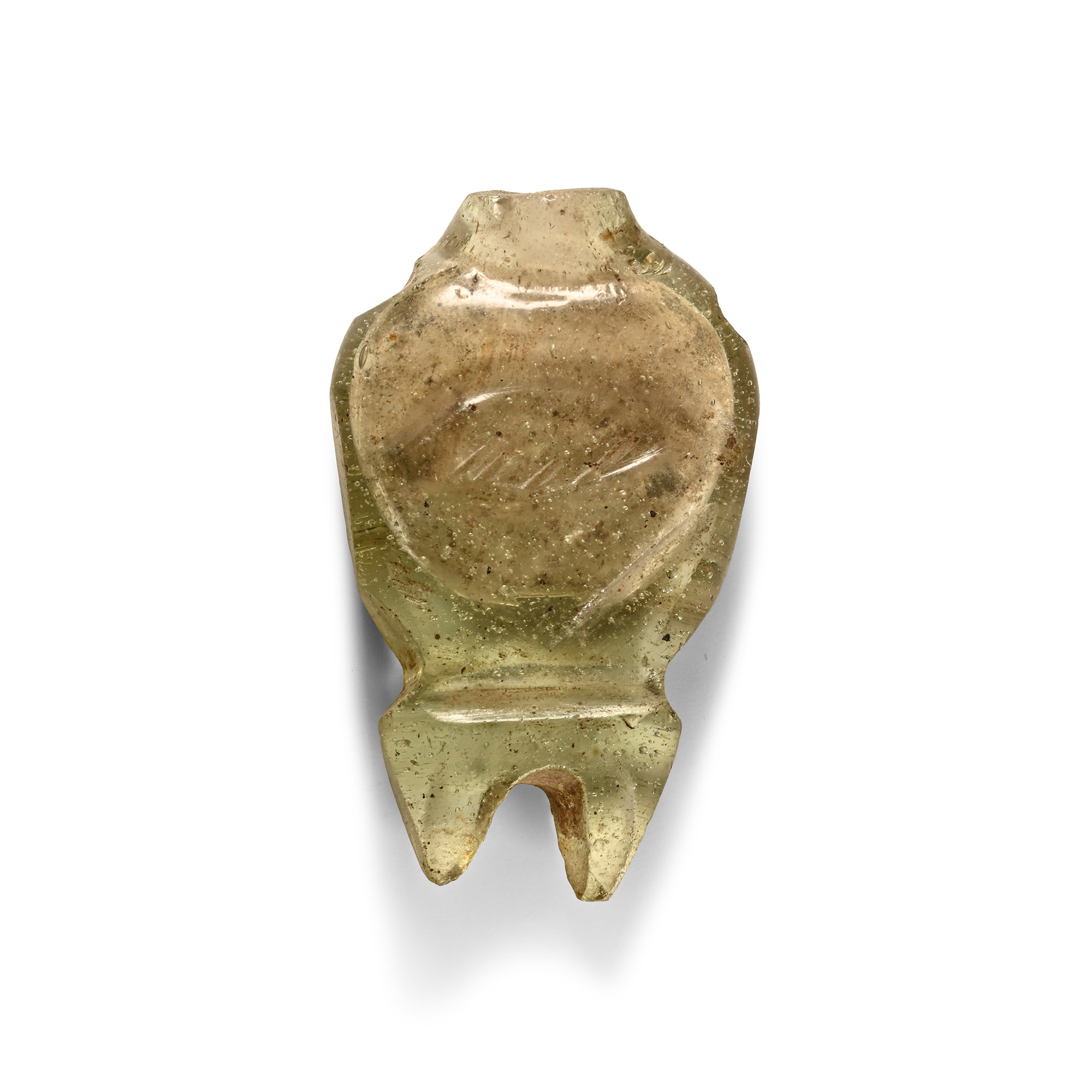
Western Asiatic Glass Balsamarium
CIRCA 12TH-14TH CENTURY A.D.
1 3/8 in. (7.89 grams, 36 mm).
Teardrop-shaped glass vessel with low-relief eye motif to each face, low neck, 'molar' detailing to the base.
ProvenanceEx collection of the Chierroni family, Paris, France, formed between 1980-1990s.
Property of a French collector.
TimeLine Auctions follows a vetting process to ensure the authenticity and legality of all items, reinforcing our commitment to integrity and responsible trading. Each antiquity, antique, and coin lot undergoes thorough examination by a vetting committee of at least ten external specialists, professional trade association members, scientists, and archaeologists: Our Vetting Process
AUCTIONS:
TimeLine is a leading auction house specialising in antiquities, ancient art, collectables, natural history, coins, medals, and books. Our auctions offer museums, collectors, historians, and enthusiasts the opportunity to acquire unique and historically significant pieces.
LOT 1334
Western Asiatic Glass Balsamarium
Estimate £250 - 350€290 - 410 (for guidance only)$340 - 470 (for guidance only)
-
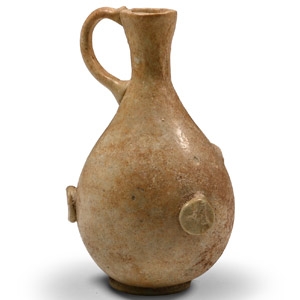
Sassanian Glass Handled Bottle
3rd-7th century A.D.Sold for (Inc. bp): £169
Piriform in profile with flared mouth. loop handle, three applied dics to the shoulder and disc to the base. 40 grams, 96 mm
Formerly in North American collection, 1990s. From the collection of a London, UK, gentleman. -
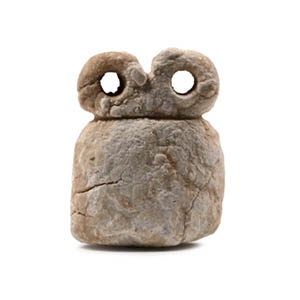
Anatolian Alabaster Eye Idol Weight Susiane
2800-2500 B.C.Sold for (Inc. bp): £520
With a rounded body and two looped eyes. 26.4 grams, 39 mm
Acquired in Switzerland, 2002. Private collection, Europe. -
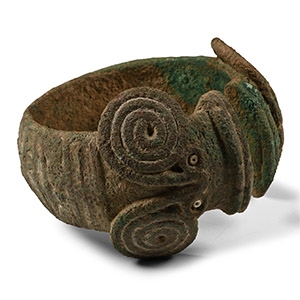
Heavy Bactrian Bronze Armband with Animal Terminals
1st millennium B.C.Estimate: £3,000 - 4,000 (+bp*)
Opening Bid: £1,500
Sturdy bronze penannular bracelet with C-section shank and ram-head detailing to the finials, inlaid shell(?) beads for the nostrils. 620 grams, 10.4 cm
Ex London, UK, gallery, 1971-early 2000s. London, UK, collection. This lot has been checked against the Interpol Database of stolen works of art and is accompanied by a search certificate number no.12415-225380.
The bracelet is a product of the Bactria-Margiana Archaeological Complex ('BMAC', also developed from the 'Oxus Civilization') which was the dominant culture in the 3rd and 2nd millennium (often dated to c.2250-1700 B.C.) in that area, corresponding roughly to modern Tajikistan and Afghanistan. The members of the group practised animal husbandry and a limited form of agriculture, with wheeled carts from the 4th millennium B.C. Its craftsmen were proficient at working metals and alloys including bronze, copper, silver, and gold. Fortified sites with multiple walls are another notable development.
