
Loading, please wait...
LOT 1532
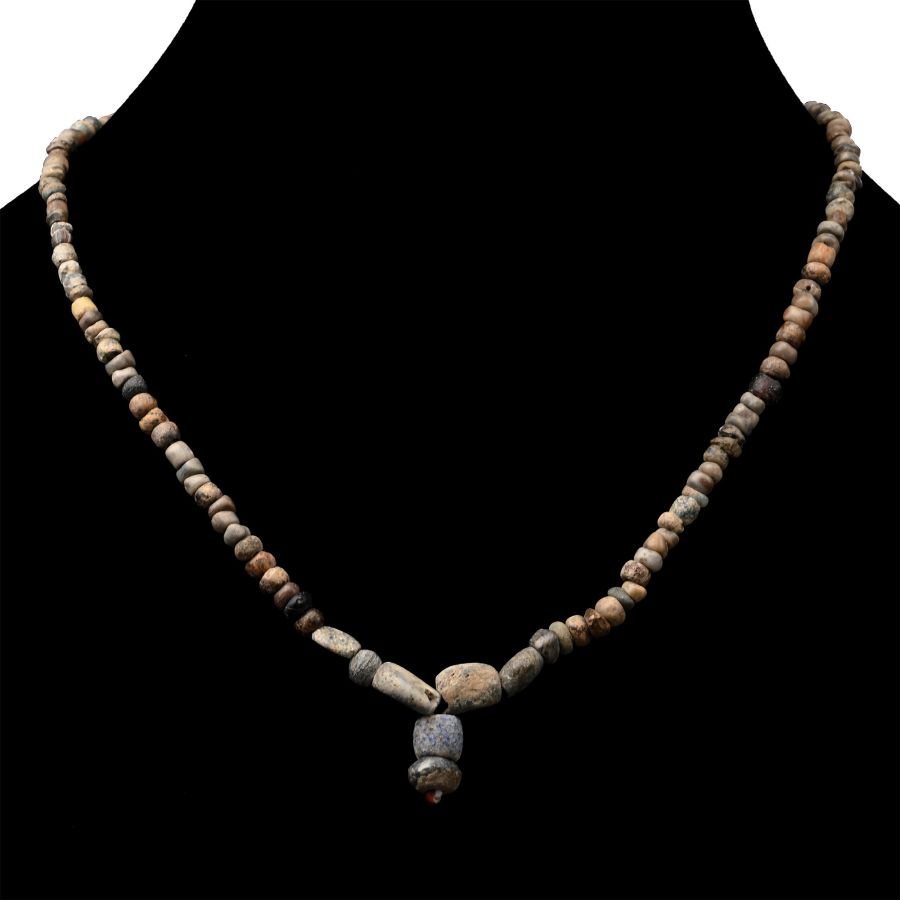
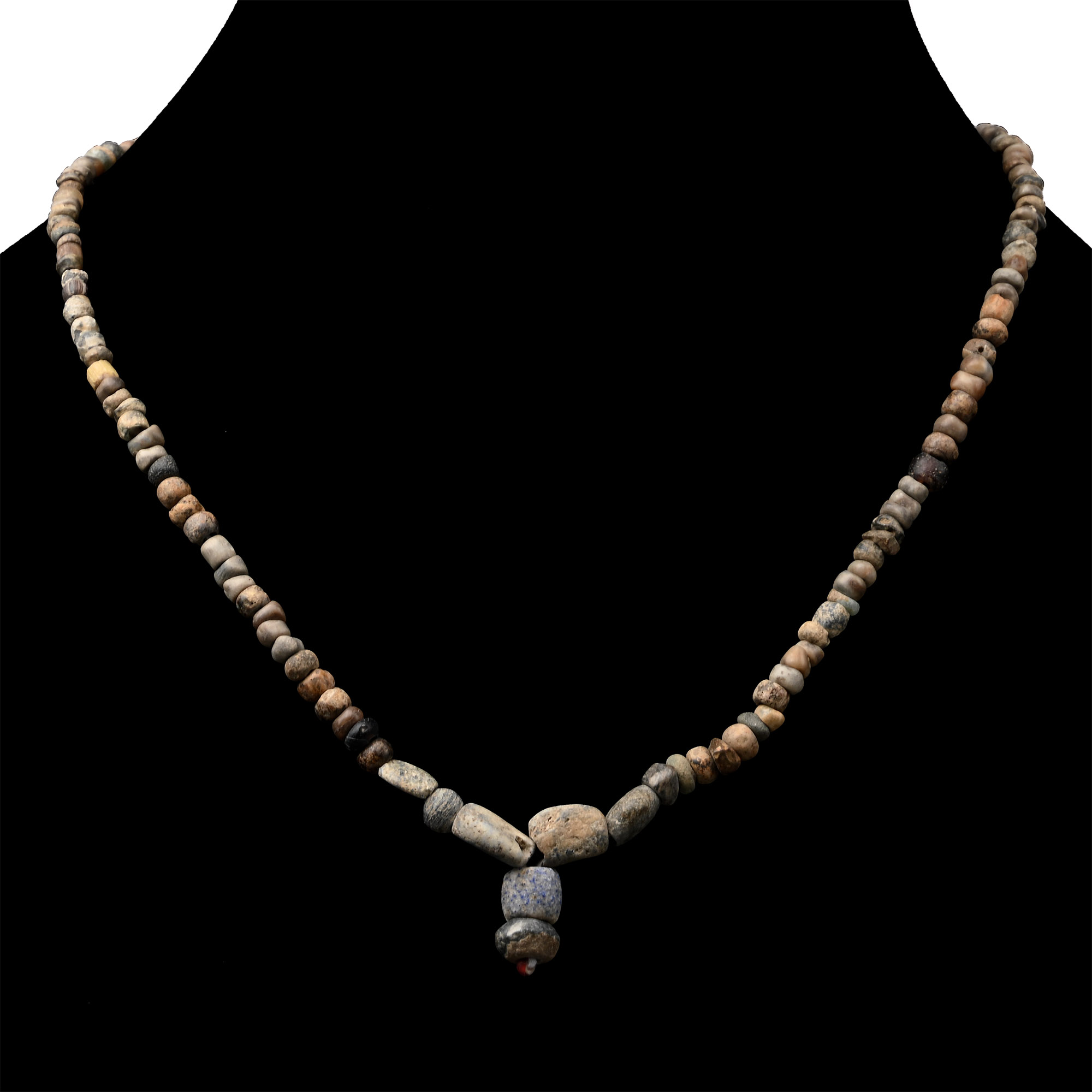
Western Asiatic Glass and Stone Bead Necklace String
1ST MILLENNIUM B.C. AND LATER
17 1/4 in. (16.8 grams, 44 cm).
Composed mainly of oblate and annular beads with larger beads at the centre, restrung. [No Reserve]
ProvenanceEx London, UK, collection, 1990s.
CONDITIONTimeLine Auctions follows a vetting process to ensure the authenticity and legality of all items, reinforcing our commitment to integrity and responsible trading. Each antiquity, antique, and coin lot undergoes thorough examination by a vetting committee of at least ten external specialists, professional trade association members, scientists, and archaeologists: Our Vetting Process
AUCTIONS:
TimeLine is a leading auction house specialising in antiquities, ancient art, collectables, natural history, coins, medals, and books. Our auctions offer museums, collectors, historians, and enthusiasts the opportunity to acquire unique and historically significant pieces.
-
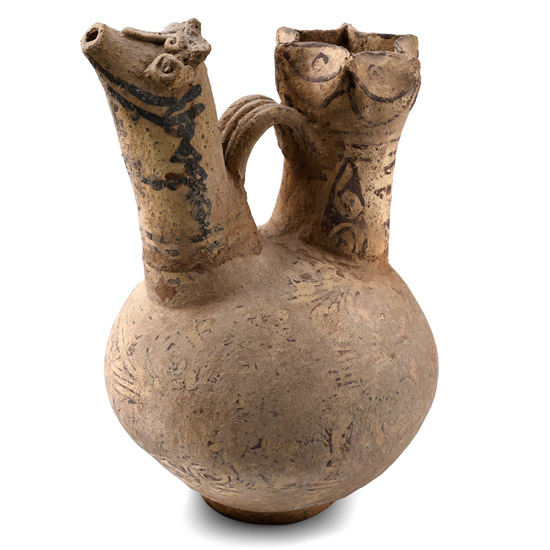
Western Asiatic Double Animal Spouted Vessel
8th-9th century A.D.Sold for (Inc. bp): £351
Biconvex body with spout formed as an animal-head, filler to the rear with crimped rim and ribbed loop between; traces of painted design. 1.32 kg, 24.7 cm
UK collection, 1990s. Acquired on the UK art market, before 2000. Private collection, Mr M.V., a London-based businessman. -
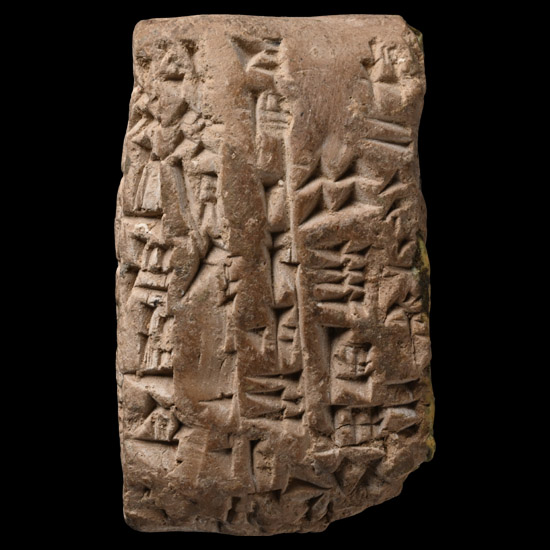
Old Babylonian Terracotta Cuneiform Tablet Section
2nd millennium B.C.Sold for (Inc. bp): £416
The narrow end of a pillow-shaped tablet with rows of cuneiform text on four sides. 33.5 grams, 44.5 mm
From the private collection of a European gentleman (1942-2024), formed since the 1970s. -
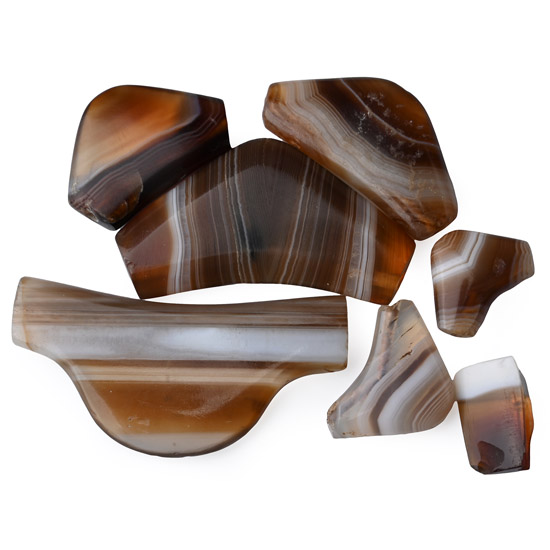
Western Asiatic Banded Agate Elbow Bead Collection
1st millennium B.C.Sold for (Inc. bp): £390
Comprising six translucent elbow beads and one triangular-section bead fragment. 12.74 grams total, 13.37-36.33 mm
From the private collection of a European gentleman (1942-2024), formed since the 1970s.
