
Loading, please wait...
LOT 1250
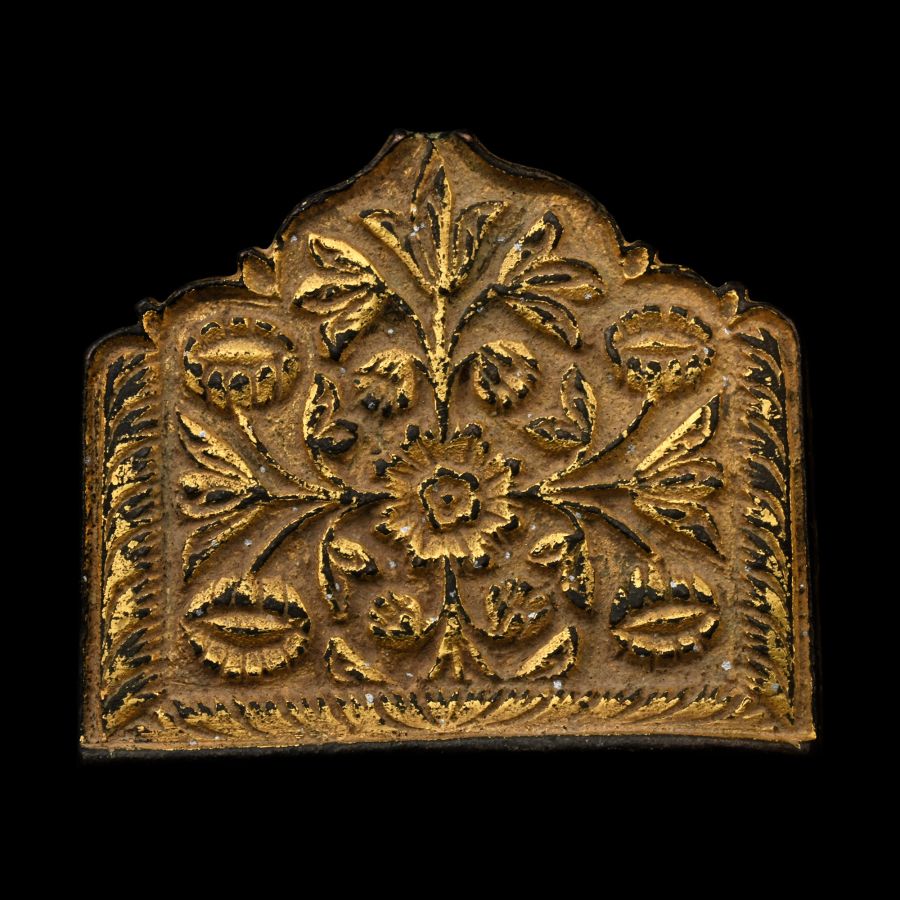
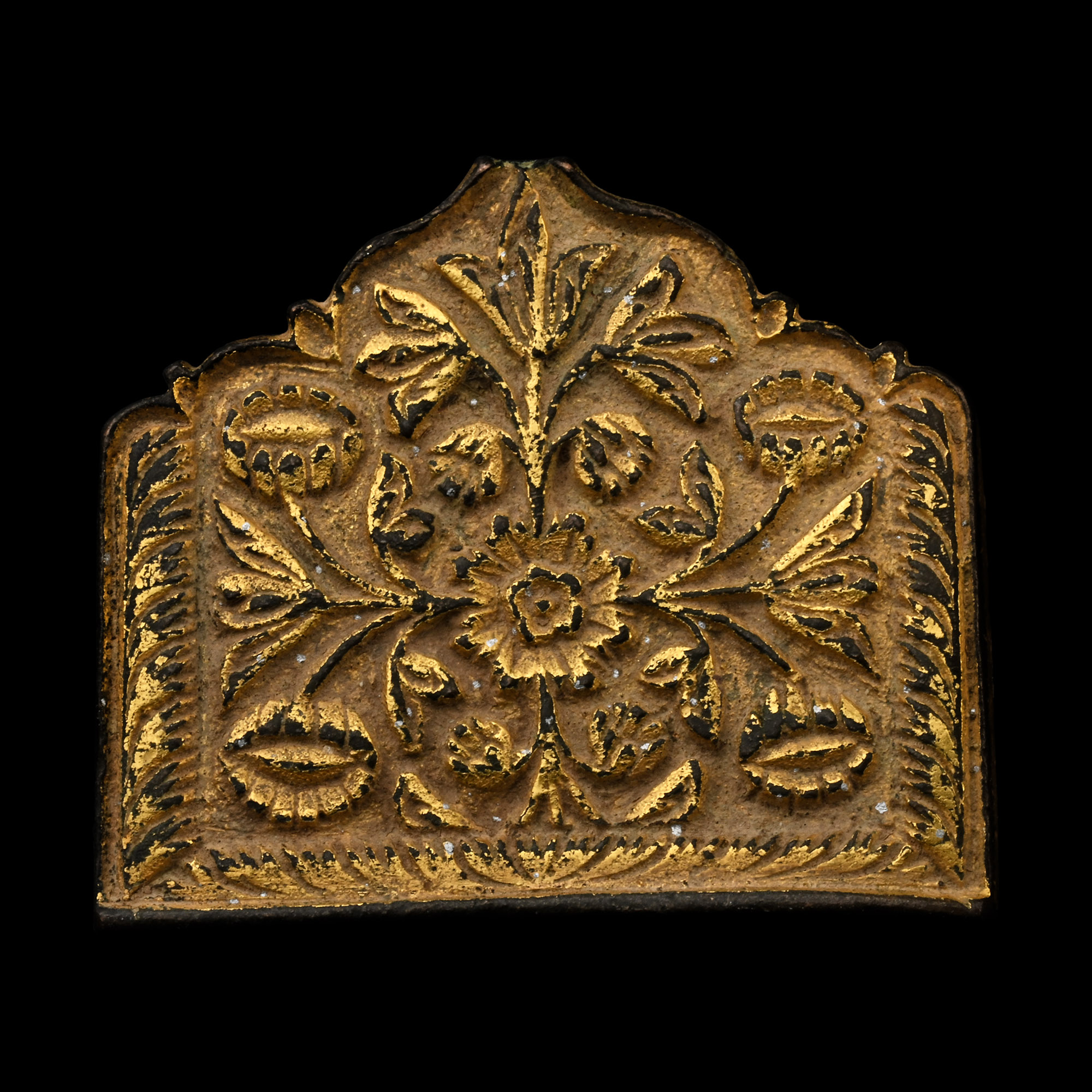
Western Asiatic Gilt Bronze Belt Element
12TH-13TH CENTURY A.D.
1 3/4 in. (18.25 grams, 43 mm).
Pentagonal in plan with scooped ogival upper edge, shallow sides and slider-bar to reverse; high-relief decorative motifs of rosette and radiating stems and leaves.
ProvenanceAcquired in the mid 1980s-1990s.
Private collection, Switzerland, thence by descent.
Private collection, since the late 1990s.
TimeLine Auctions follows a vetting process to ensure the authenticity and legality of all items, reinforcing our commitment to integrity and responsible trading. Each antiquity, antique, and coin lot undergoes thorough examination by a vetting committee of at least ten external specialists, professional trade association members, scientists, and archaeologists: Our Vetting Process
AUCTIONS:
TimeLine is a leading auction house specialising in antiquities, ancient art, collectables, natural history, coins, medals, and books. Our auctions offer museums, collectors, historians, and enthusiasts the opportunity to acquire unique and historically significant pieces.
LOT 1250
Western Asiatic Gilt Bronze Belt Element
Estimate £250 - 350€290 - 410 (for guidance only)$340 - 470 (for guidance only)
-
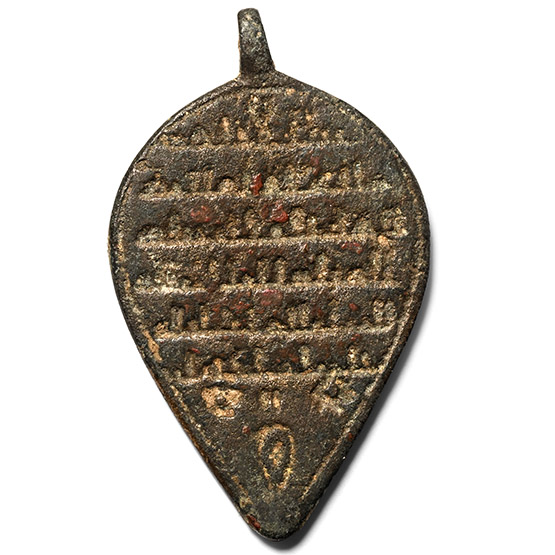
Western Asiatic Bronze Bifacial Pendant with Inscription
12th-14th century A.D.Sold for (Inc. bp): £143
Teardrop-shaped with integral loop, obverse with lobed plant motif, reverse with seven lines of Arabic script. 16 grams, 52 mm
Ex Abelita family collection, 1980s-2000s. -
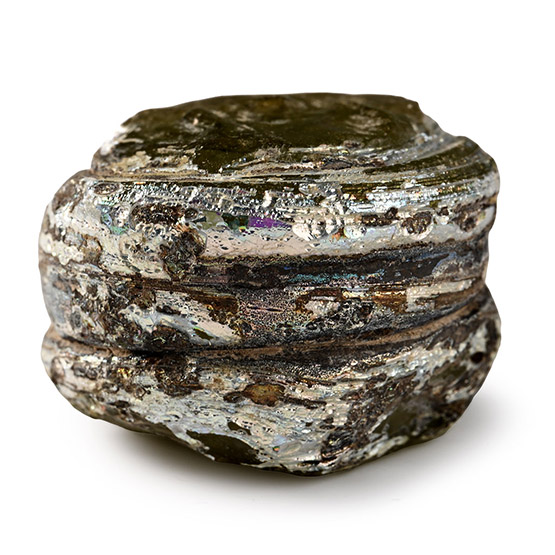
Western Asiatic Glass Sealing
10th-14th century A.D.Sold for (Inc. bp): £7
Drum-shaped with iridescent surface, reserved bull's head and segmented spiral motifs. 19 grams, 27 mm
From the private collection of the late Mr S.M., 1969-1999. -
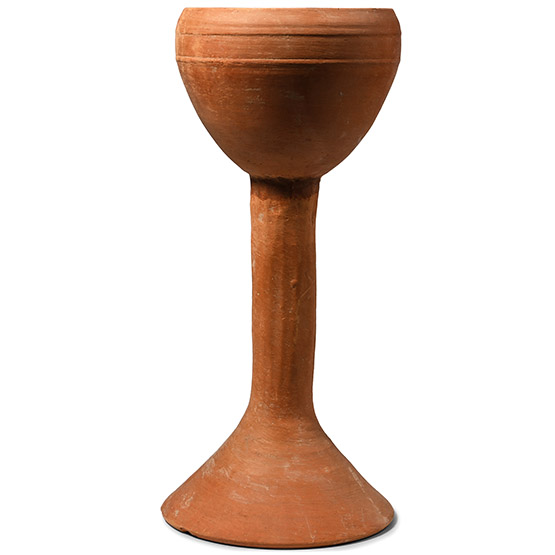
Tall Western Asiatic Pottery Chalice
1st millennium B.C.Estimate: £100 - 140 (+bp*)
Opening Bid: £50
With slender stem and trumpet-shaped foot, mammiform bowl with raised collar beneath the rim. 527 grams, 26.5 cm
From the collection of a gentleman, 1988-2000s.
