
Loading, please wait...
LOT 1280
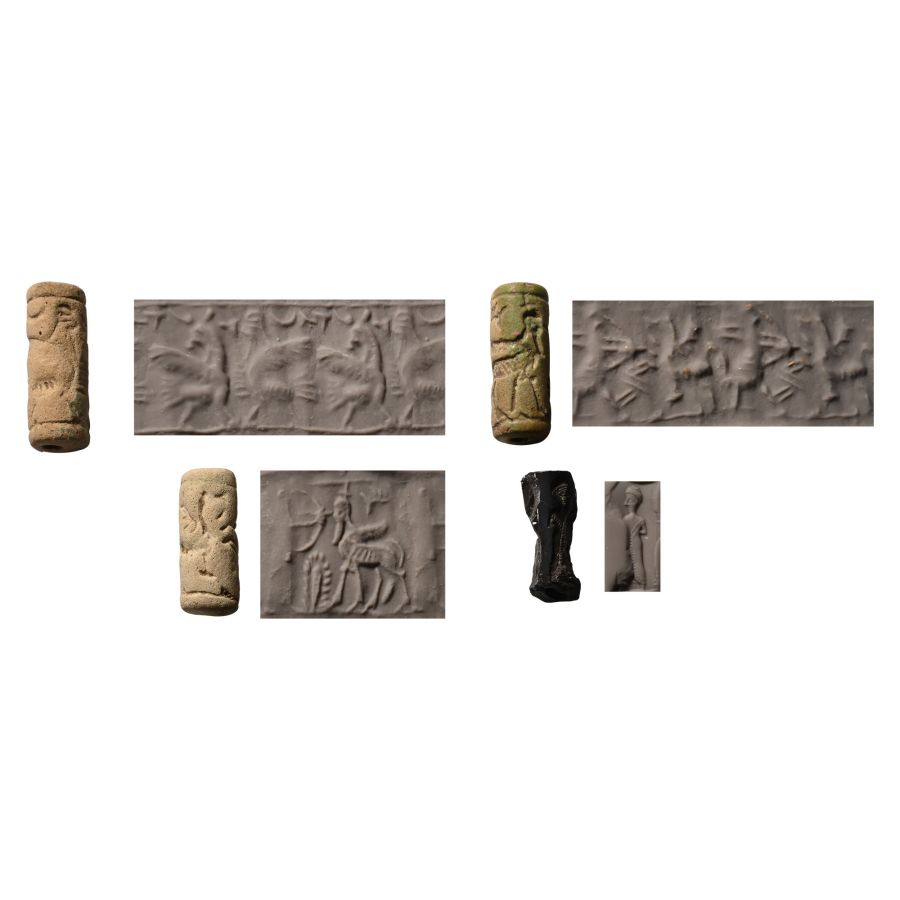
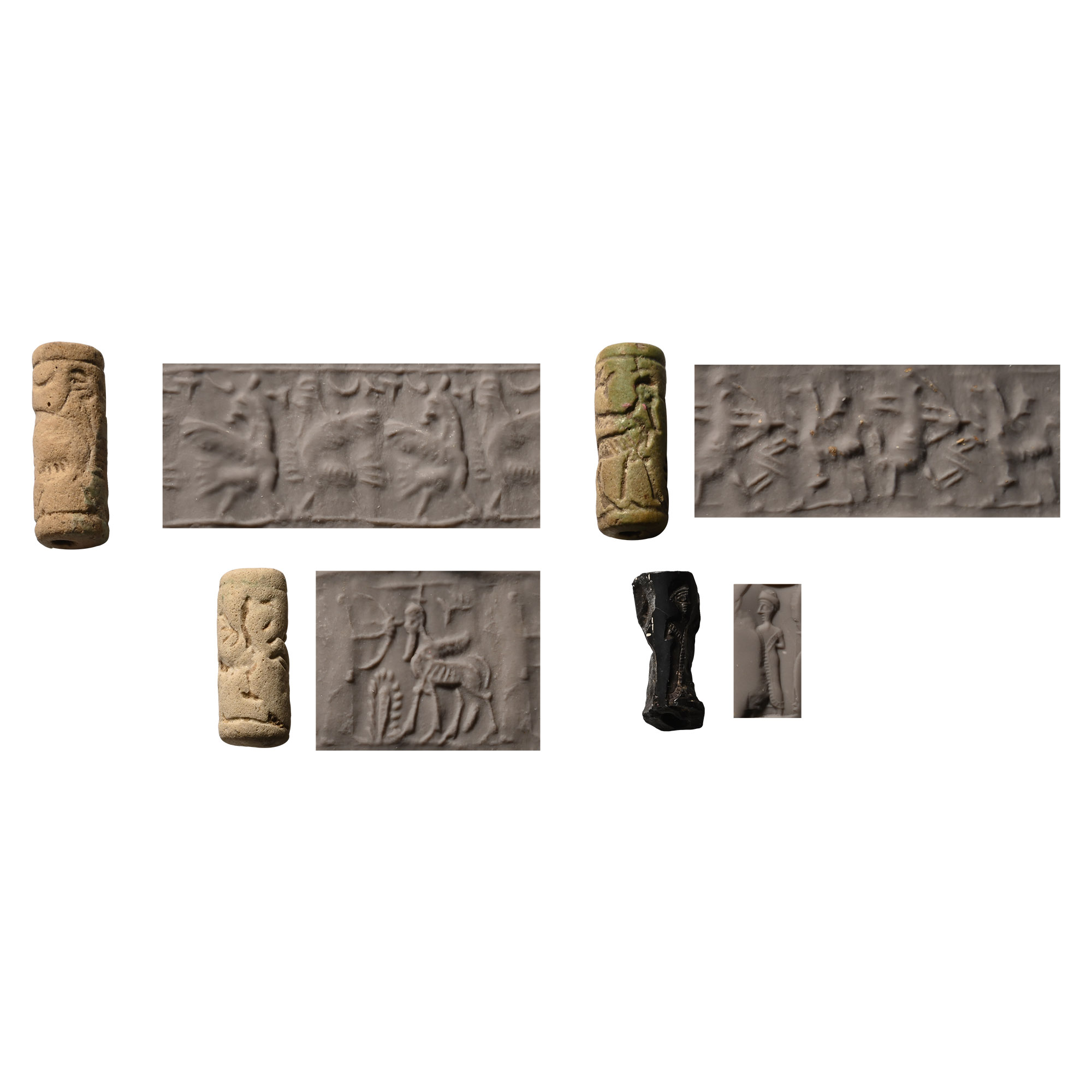
Western Asiatic Faience and Stone Cylinder Seal Group
2ND-1ST MILLENNIUM B.C.
3/4 - 1 in. (11.94 grams total, 20-27 mm).
Comprising: a cylinder seal showing an advancing Lamassu facing a robed figure with a drawn bow; a cylinder seal with winged beasts; a cylinder seal showing a winged beast facing back and Lamassu; a fragment of a stone cylinder seal showing a standing figure; supplied with museum-quality impressions. [4, No Reserve]
ProvenanceFrom the private collection of a European gentleman (1942-2024), formed since the 1970s.
LiteratureCf. a similar cylinder in Niederreiter, Z., Catalogue of the cylinder seals in the Royal Museums of Art and History, I, Neo-Assyrian and Neo-Babylonian Periods (circa 1000-500 B.C.), Budapest, 2020, no.5.
CONDITIONTimeLine Auctions follows a vetting process to ensure the authenticity and legality of all items, reinforcing our commitment to integrity and responsible trading. Each antiquity, antique, and coin lot undergoes thorough examination by a vetting committee of at least ten external specialists, professional trade association members, scientists, and archaeologists: Our Vetting Process
AUCTIONS:
TimeLine is a leading auction house specialising in antiquities, ancient art, collectables, natural history, coins, medals, and books. Our auctions offer museums, collectors, historians, and enthusiasts the opportunity to acquire unique and historically significant pieces.
-
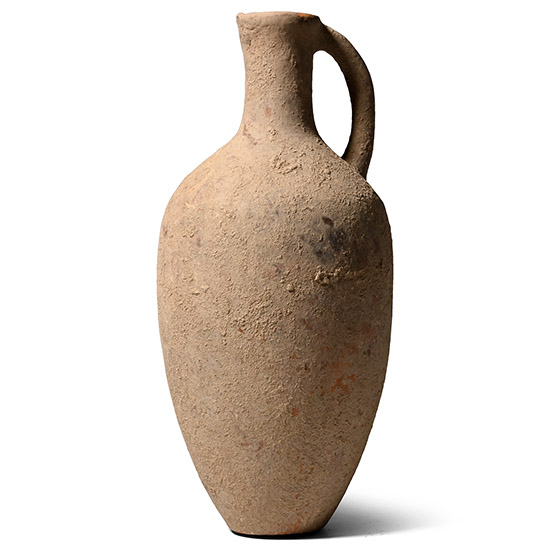
Western Asiatic Pottery Vessel with Handle
1st millennium B.C.Sold for (Inc. bp): £124
Ovoid body with flat base and narrow neck, a round-section handle to the rear. 360 grams, 22.5 cm
From an important specialist collection, London, UK, 1990s. -
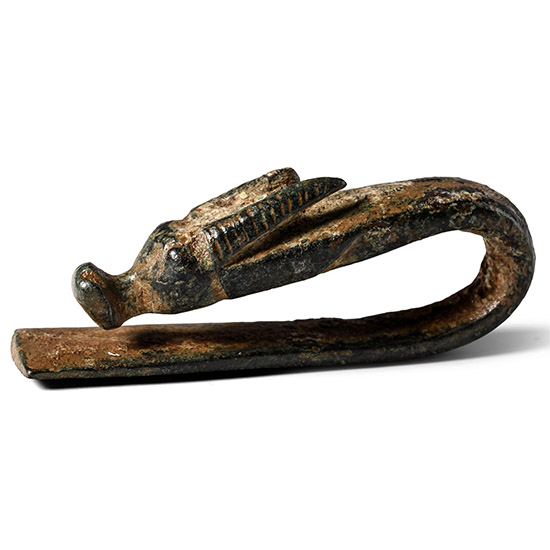
Western Asiatic Bronze Clip Finial with Horned Antelope
Circa 3rd century B.C.Sold for (Inc. bp): £46
Comprising a tapering flat-section bar with tightly recurved thickened neck, integral beast-head finial with a severely waisted muzzle. 18.27 grams, 47 mm
From the private collection of Mr Brian Edwards, New Malden, Surrey, UK, formed from the late 1970s-early 1980s; thence by descent. Accompanied by the original collector's data sheet(s) with reference no.A94. -
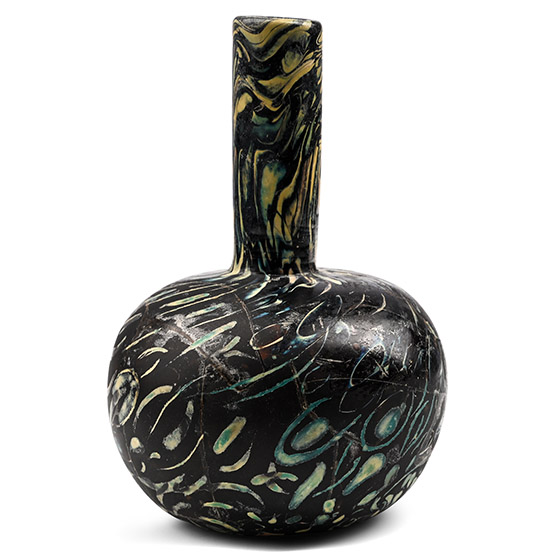
Fatimid Opaque Mosaic Glass Vase
Circa 10th-12th century A.D. or laterEstimate: £600 - 800 (+bp*)
Opening Bid: £320
Comprising a squat, rounded body and tubular neck with a rounded rim, pontil base; dragged swirl motifs in white on a navy blue field; repaired. 242 grams, 15.5 cm
Private collection, UK.
These vessels were core-formed in opaque green manganese, with a flattened spherical body and tall, thin, tapering neck. Such categories of vessels were especially produced in the region of the Fayoum.
