
Loading, please wait...
LOT 1475
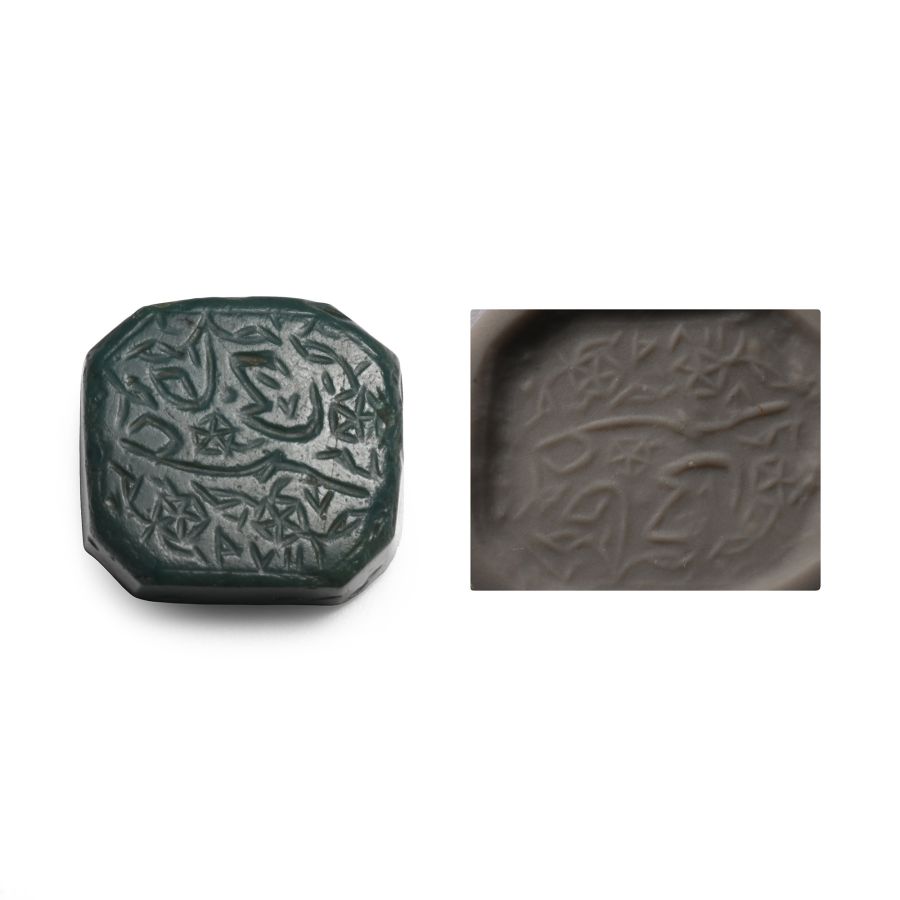
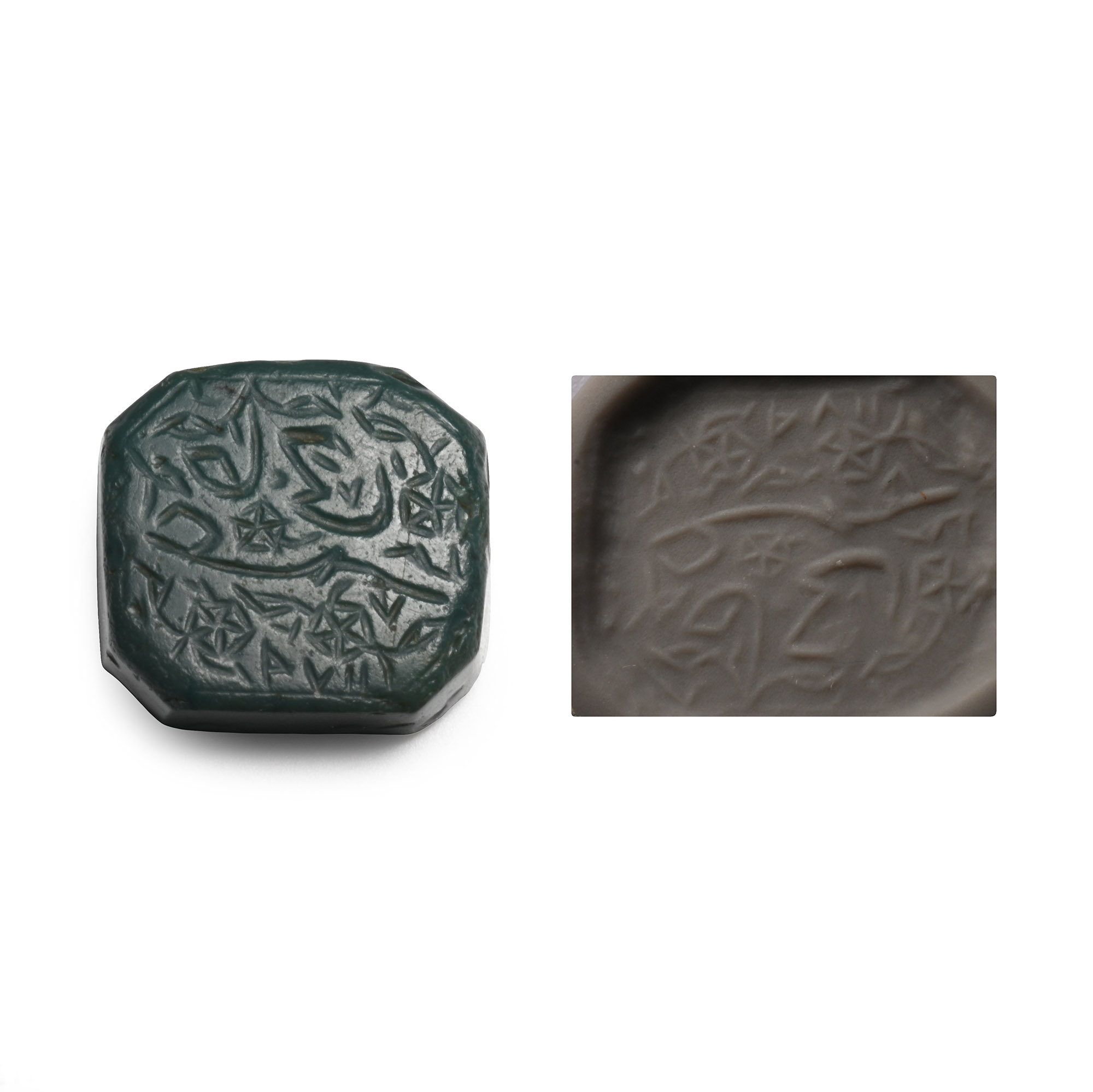
Western Asiatic Engraved Green Stone Calligraphic Intaglio
LATE 19TH-20TH CENTURY A.D.
5/8 in. (3.36 grams, 15 mm).
An octagonal intaglio with an inscription on a densely arranged floral field; supplied with a museum-quality impression. [No Reserve]
ProvenanceAcquired in the late 1980s-early 1990s.
Private collection, London.
TimeLine Auctions follows a vetting process to ensure the authenticity and legality of all items, reinforcing our commitment to integrity and responsible trading. Each antiquity, antique, and coin lot undergoes thorough examination by a vetting committee of at least ten external specialists, professional trade association members, scientists, and archaeologists: Our Vetting Process
AUCTIONS:
TimeLine is a leading auction house specialising in antiquities, ancient art, collectables, natural history, coins, medals, and books. Our auctions offer museums, collectors, historians, and enthusiasts the opportunity to acquire unique and historically significant pieces.
LOT 1475
Western Asiatic Engraved Green Stone Calligraphic Intaglio
Sold for (Inc. bp): £98
-
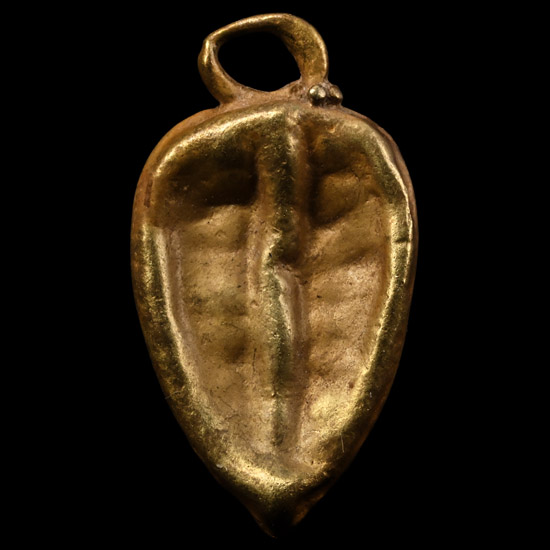
Western Asiatic Gold Heart-Shaped Pendant
1st millennium B.C.Sold for (Inc. bp): £52
Hollow-formed pendant with a raised mid-rib and edge on both sides. 0.56 grams, 13 mm
Ex private British collection, formed in the 1980s. Property of a West Northamptonshire, UK, gentleman. -
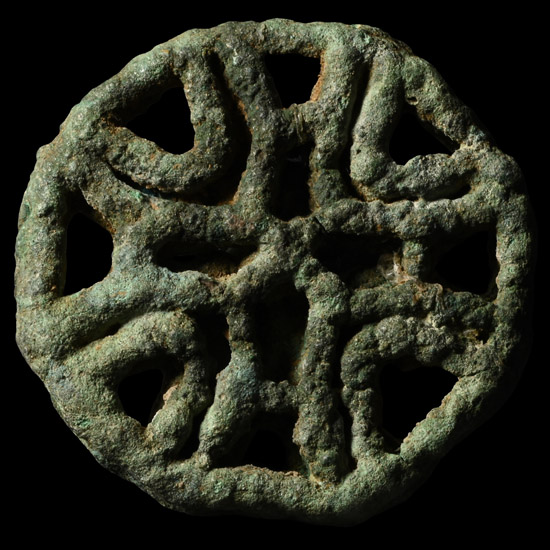
West Central Asian Bronze Stamp Seal with Cross
Bronze Age, circa 2300-2000 B.C.Sold for (Inc. bp): £20
Openwork type with voided cross and semicircles in the spandrels. 24.55 grams, 43.34 mm
From the private collection of a European gentleman (1942-2024), formed since the 1970s. -
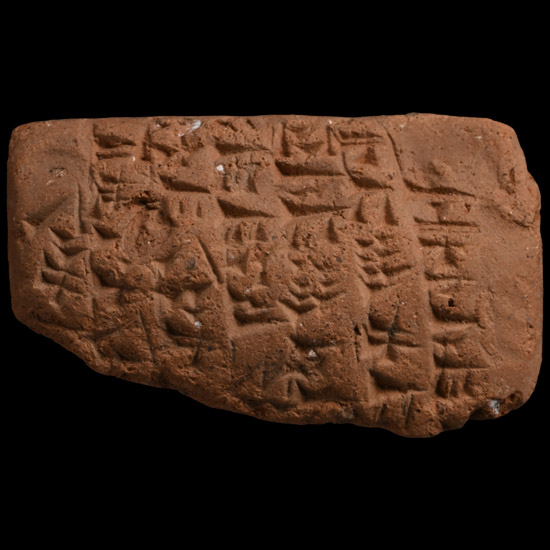
Mesopotamian Terracotta Cuneiform Tablet Fragment
2nd millennium B.C.Sold for (Inc. bp): £169
One side with seven partial lines of cuneiform text. 15.8 grams, 37.5 mm
From the private collection of a European gentleman (1942-2024), formed since the 1970s.
