
Loading, please wait...
LOT 1443
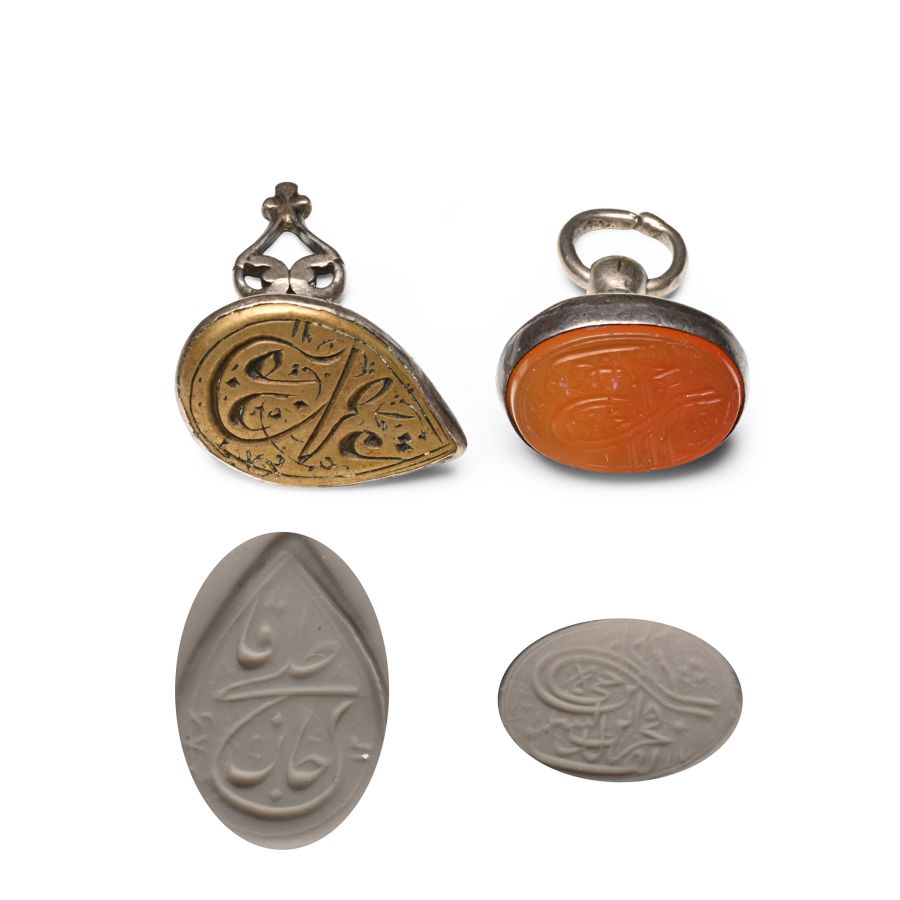
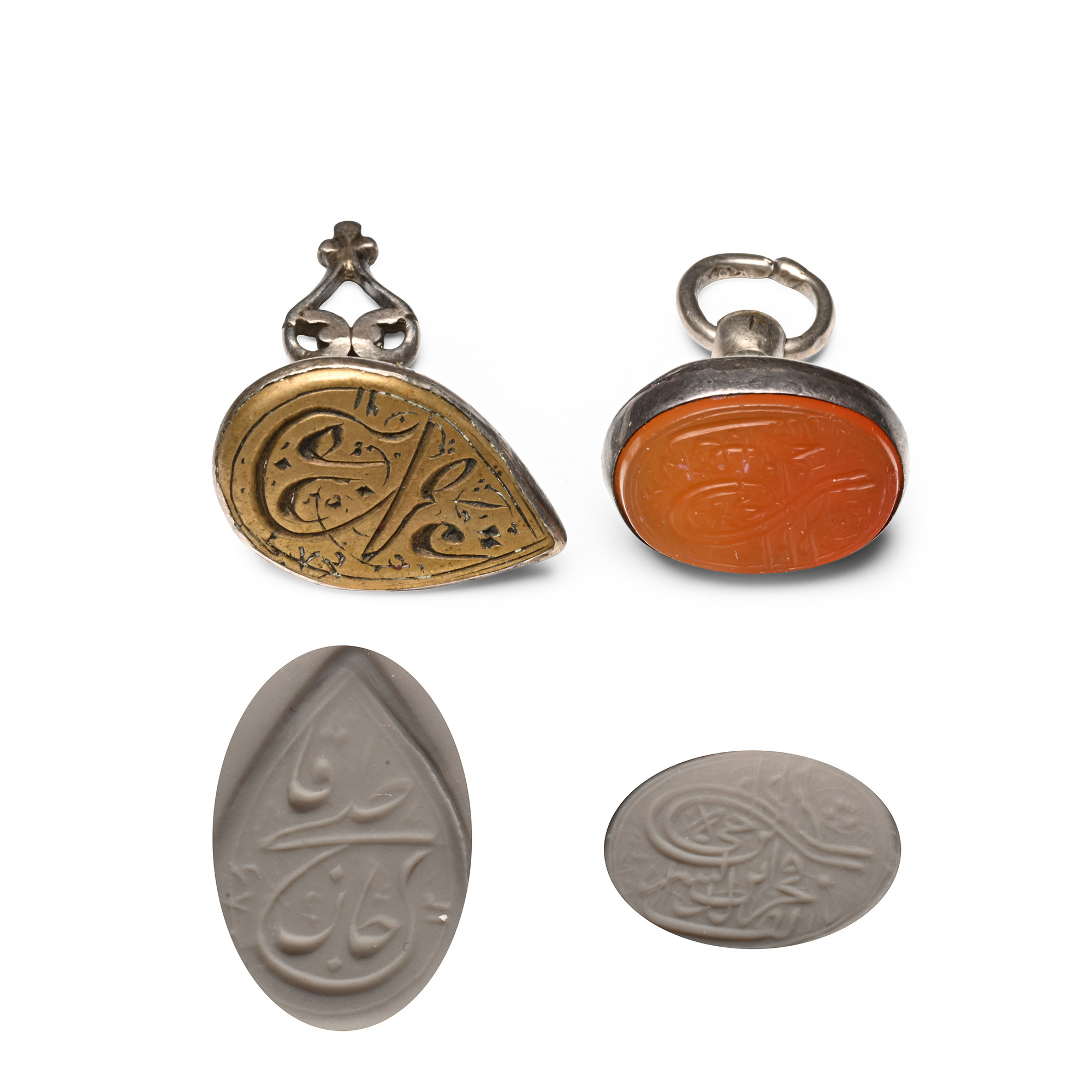
Western Asiatic Engraved Calligraphic Stamp Seal Group
LATE 19TH-20TH CENTURY A.D.
1 - 1 1/8 in. (10.2 grams total, 24-27 mm).
Comprising two chess piece seal matrices, one set with a carnelian intaglio with densely arranged calligraphic inscription, the other with a bronze insert with an inscription; supplied with museum-quality impressions. [2, No Reserve]
ProvenanceAcquired in the late 1980s-early 1990s.
Private collection, London.
TimeLine Auctions follows a vetting process to ensure the authenticity and legality of all items, reinforcing our commitment to integrity and responsible trading. Each antiquity, antique, and coin lot undergoes thorough examination by a vetting committee of at least ten external specialists, professional trade association members, scientists, and archaeologists: Our Vetting Process
AUCTIONS:
TimeLine is a leading auction house specialising in antiquities, ancient art, collectables, natural history, coins, medals, and books. Our auctions offer museums, collectors, historians, and enthusiasts the opportunity to acquire unique and historically significant pieces.
-
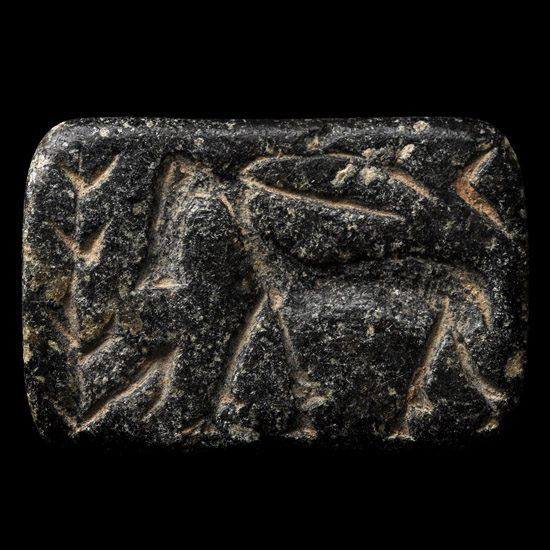
Large Western Asiatic Black Stone Stamp Seal with Animal
2nd millennium B.C.Sold for (Inc. bp): £52
Triangular in section and rectangular in plan with incuse ibex and tree motifs. 13.61 grams, 36 mm
From the private collection of a European gentleman (1942-2024), formed since the 1970s. -
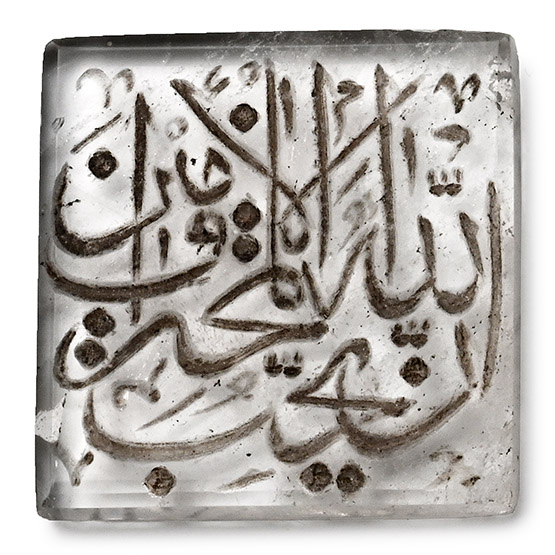
Western Asiatic Rock Crystal Gemstone
Safavid Dynasty, 1501-1722 A.D.Sold for (Inc. bp): £1,300
Square in plan with finely engraved Nastaliq calligraphic text. 2.75 grams, 20 mm
Private collection, Germany. Anonymous sale, Agora Numismatik, Woerden, Netherlands, 2015, no.333. Private collection, Europe. -
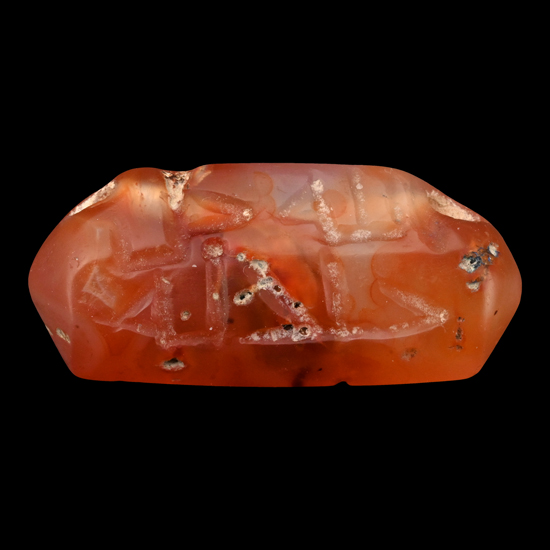
Western Asiatic Carnelian Amuletic Pendant
13th-14th century A.D.Sold for (Inc. bp): £33
Hexagonal in section, pierced longitudinally; incised hatching to two adjacent faces. 4.13 grams, 25 mm
From the collection of a gentleman, acquired on the London art market in the 1990s.
