
Loading, please wait...


LOT 1215
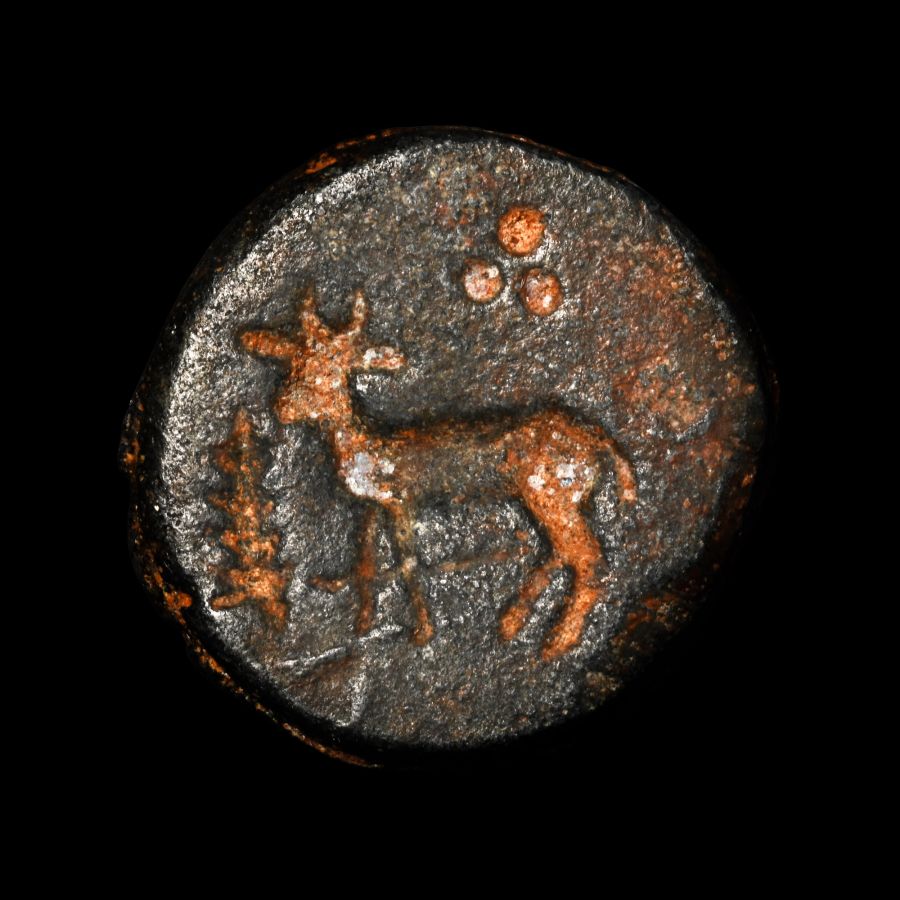
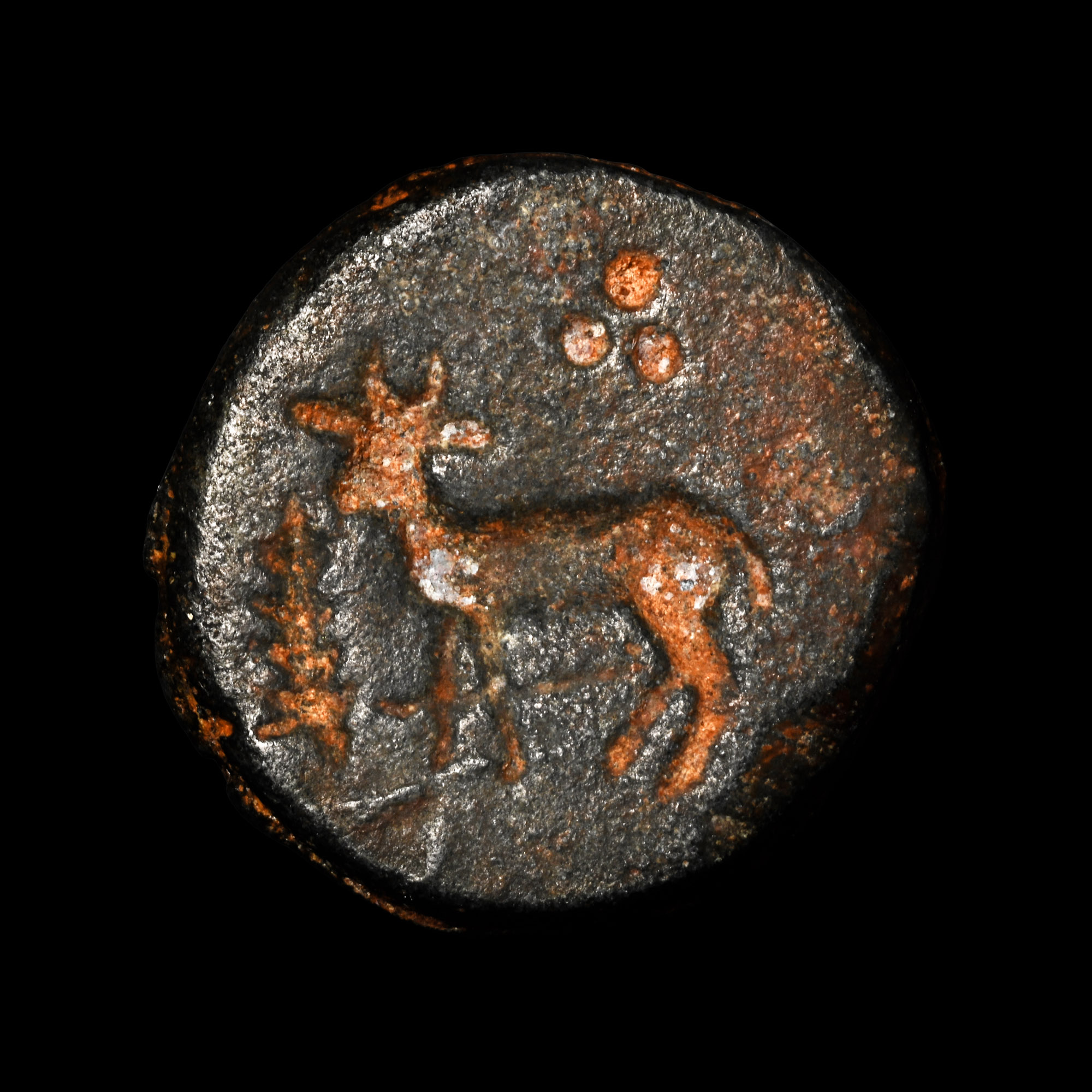
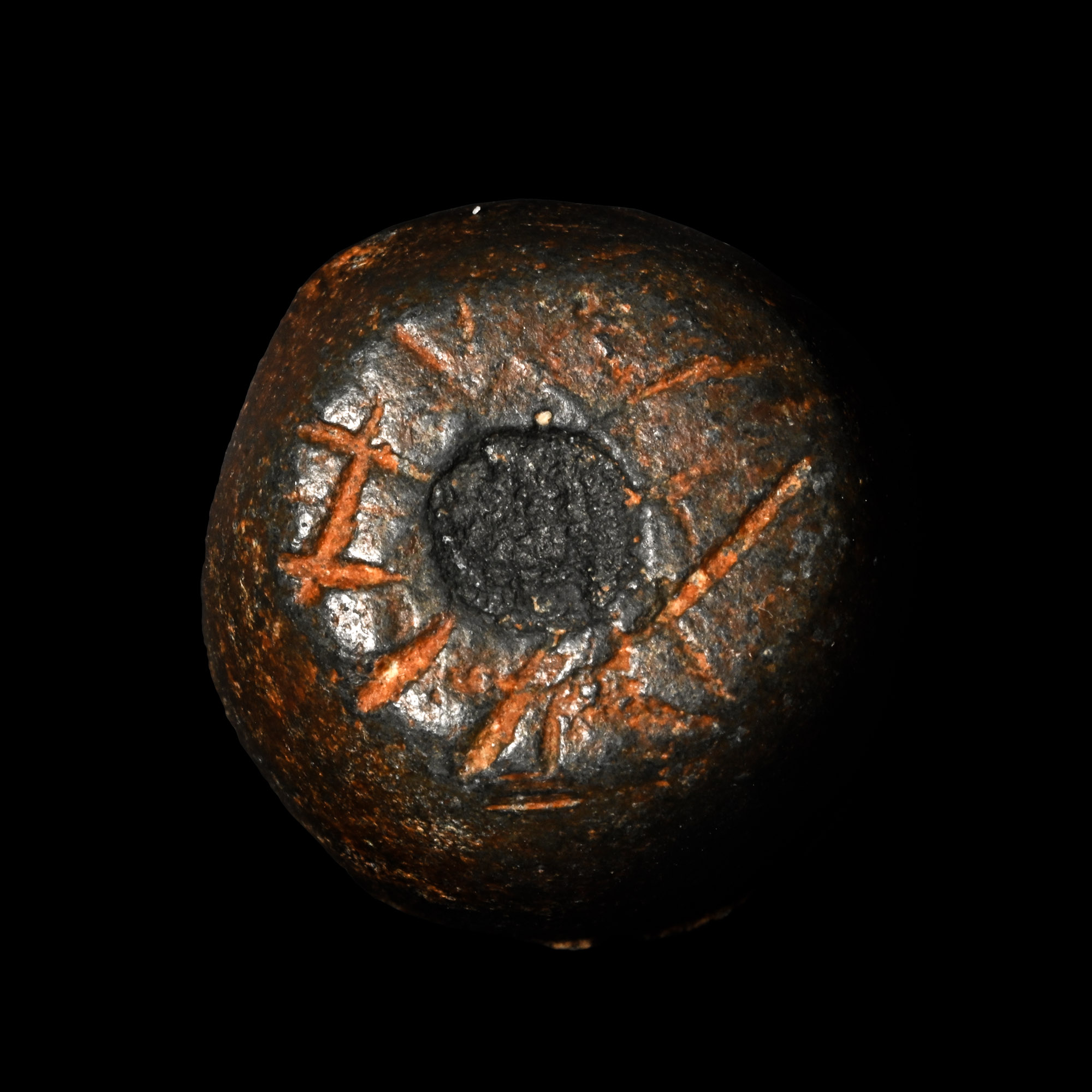
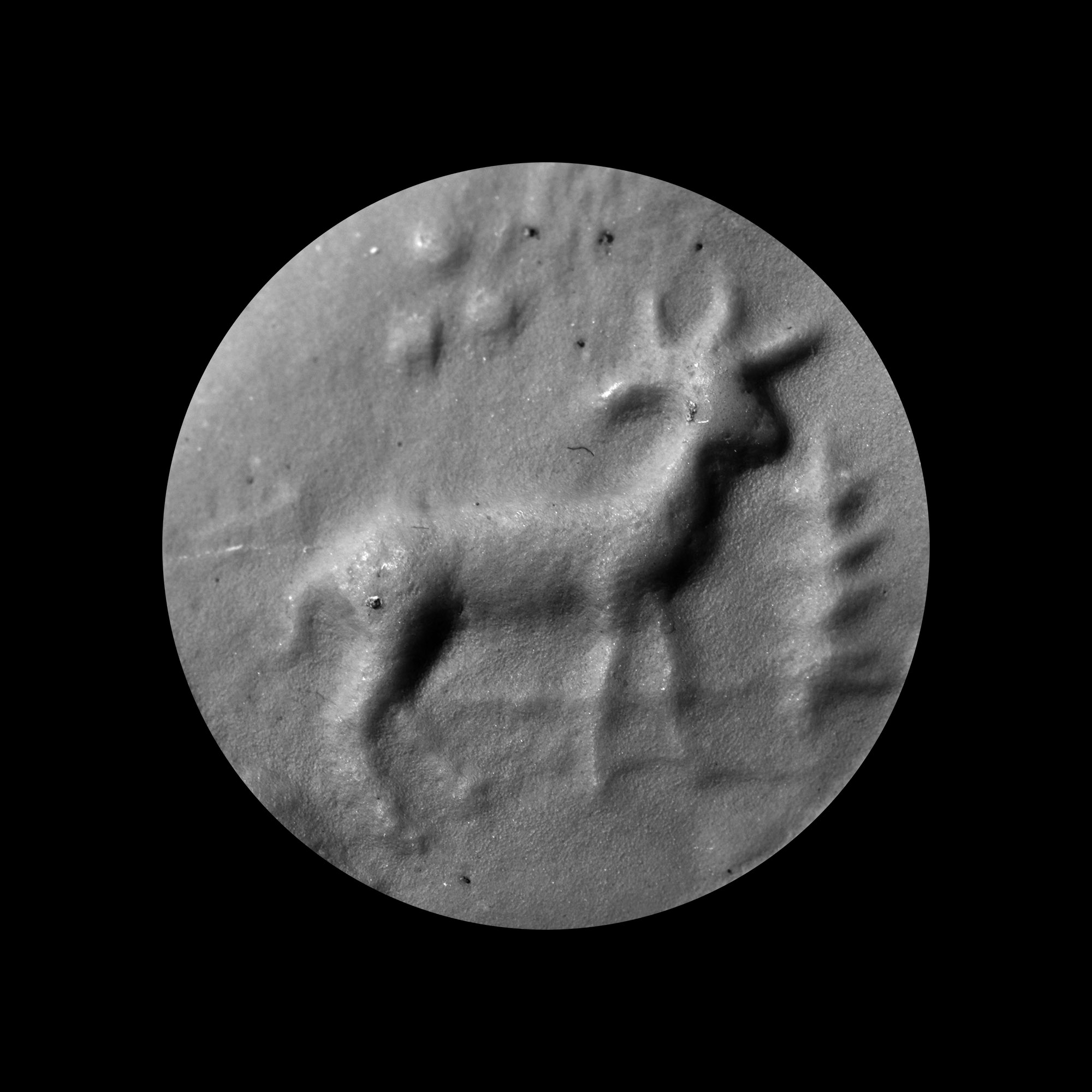
Western Asiatic Double-Sided Hematite Weight
ANATOLIA, 1ST MILLENNIUM B.C.
7/8 in. (24.1 grams, 21 mm).
Conical body with the larger end featuring a standing deer before a small tree, the other end with linear motifs, possibly an inscription.
ProvenanceUK private collection, acquired on the English market in the 2000s.
CONDITIONTimeLine Auctions follows a vetting process to ensure the authenticity and legality of all items, reinforcing our commitment to integrity and responsible trading. Each antiquity, antique, and coin lot undergoes thorough examination by a vetting committee of at least ten external specialists, professional trade association members, scientists, and archaeologists: Our Vetting Process
AUCTIONS:
TimeLine is a leading auction house specialising in antiquities, ancient art, collectables, natural history, coins, medals, and books. Our auctions offer museums, collectors, historians, and enthusiasts the opportunity to acquire unique and historically significant pieces.
LOT 1215
Western Asiatic Double-Sided Hematite Weight
Estimate £300 - 400€350 - 460 (for guidance only)$410 - 540 (for guidance only)
-
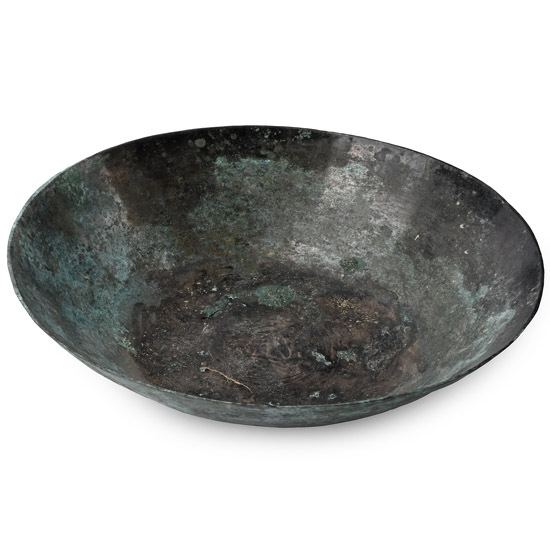
Sasanian Bronze Bowl
Circa 4th-6th century A.D.Sold for (Inc. bp): £65
Shallow sheet-bronze bowl with sloping walls and flattened base. 123 grams, 14.6 cm wide
From a London, UK, collection, 1990s-2010. -
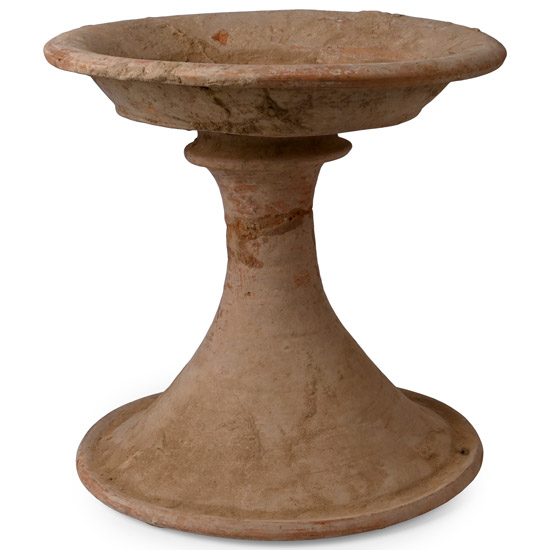
Large Bactrian Terracotta Chalice
1st millennium B.C.Estimate: £100 - 140 (+bp*)
Current Winning Bid: £50
Comprising a broad shallow bowl with carination, supported by a sturdy shank on a conical base. 6.15 kg. 32 cm wide
From a London, UK, collection, 1990s. -
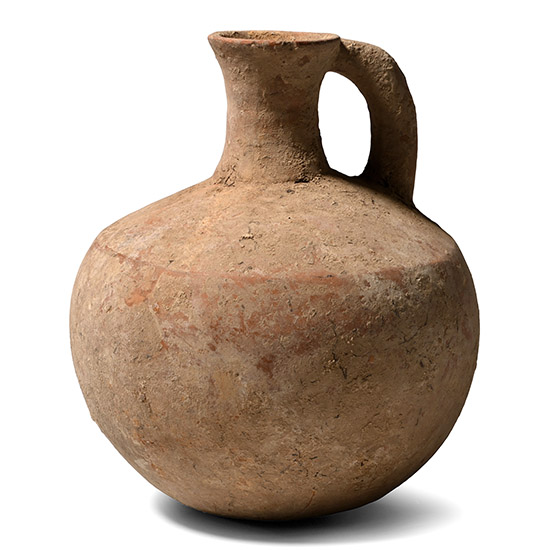
Western Asiatic Pottery Vessel with Handle
1st millennium B.C.Sold for (Inc. bp): £117
Comprising a squat bulbous body with a flattened base, a short neck with an everted rim and a handle to the rear. 413 grams, 15.1 cm
From an important specialist collection, London, UK, 1990s.
