
Loading, please wait...
LOT 1748
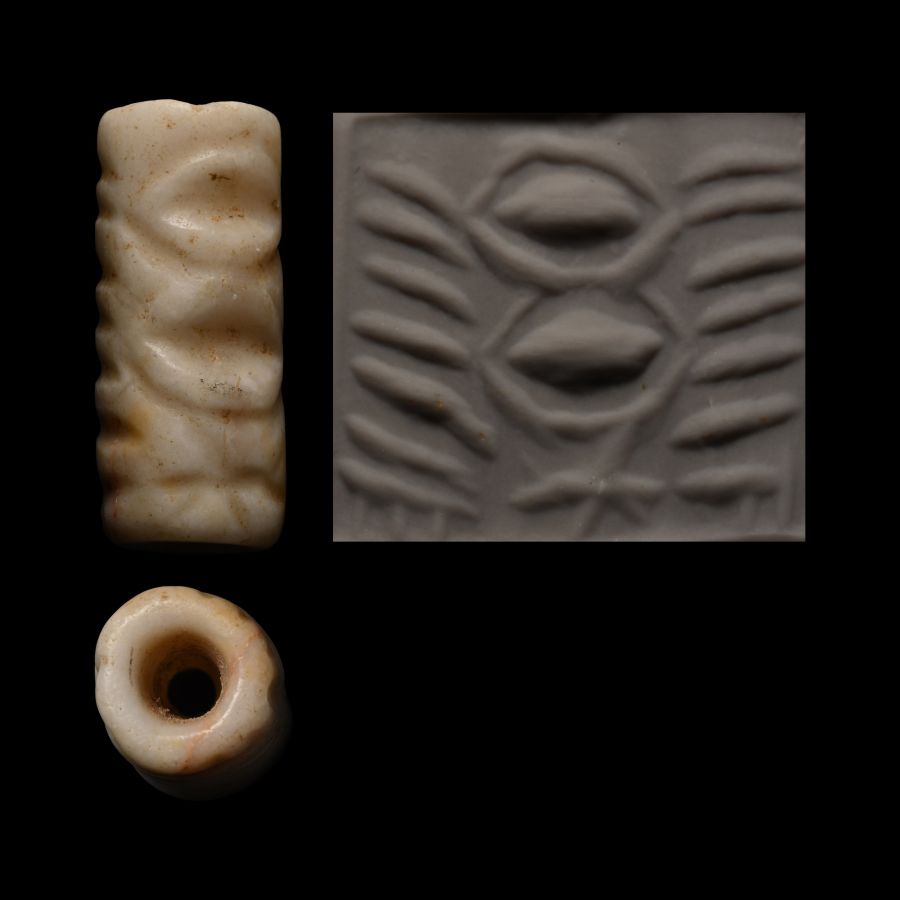
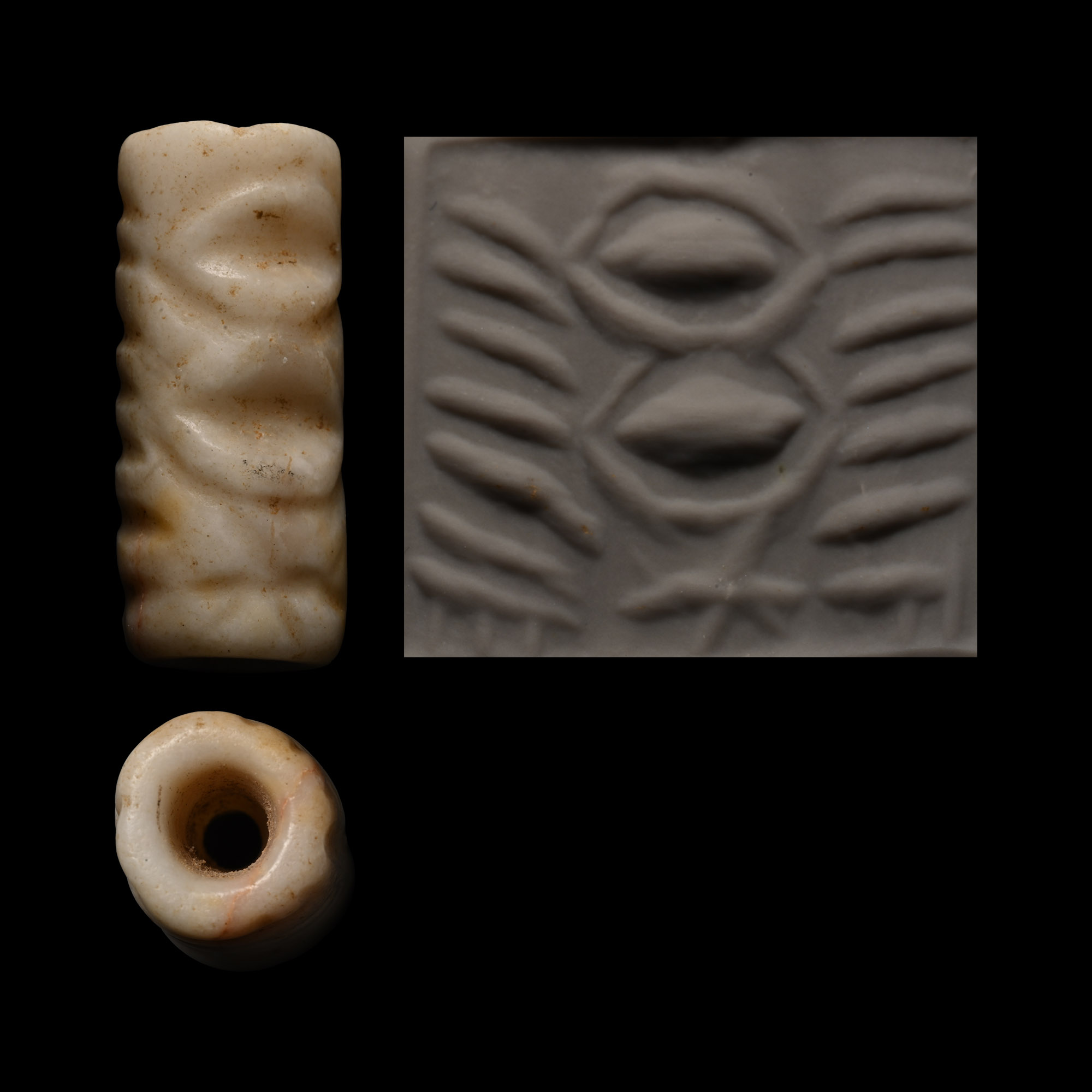
Western Asiatic Cylinder Seal with Geometric Design
3RD-2ND MILLENNIUM B.C.
1 in. (5.38 grams, 26 mm).
With incuse geometric design of hatching and vesica shapes; accompanied by a museum-quality impression.
ProvenanceUK private collection before 2000.
Acquired on the UK art market.
Private collection, London, UK.
TimeLine Auctions follows a vetting process to ensure the authenticity and legality of all items, reinforcing our commitment to integrity and responsible trading. Each antiquity, antique, and coin lot undergoes thorough examination by a vetting committee of at least ten external specialists, professional trade association members, scientists, and archaeologists: Our Vetting Process
AUCTIONS:
TimeLine is a leading auction house specialising in antiquities, ancient art, collectables, natural history, coins, medals, and books. Our auctions offer museums, collectors, historians, and enthusiasts the opportunity to acquire unique and historically significant pieces.
LOT 1748
Western Asiatic Cylinder Seal with Geometric Design
Estimate £300 - 400€350 - 460 (for guidance only)$410 - 540 (for guidance only)
-
.jpg)
Silver Ring with Carnelian Gemstone and Etched Hebrew Prayer
Circa 18th-19th century A.D.Sold for (Inc. bp): £143
Comprising a flat-section hoop with fluted shoulders, oval bezel set with a carnelian intaglio bearing a three-line inscription referring to the Prophet Ezekiel. 11.17 grams, 28.34 mm overall, 21.18 mm internal diameter (approximate size British X, USA 11 1/2, Europe 26.29, Japan 25)
From the collection of a gentleman, acquired on the London art market in the 1990s. -
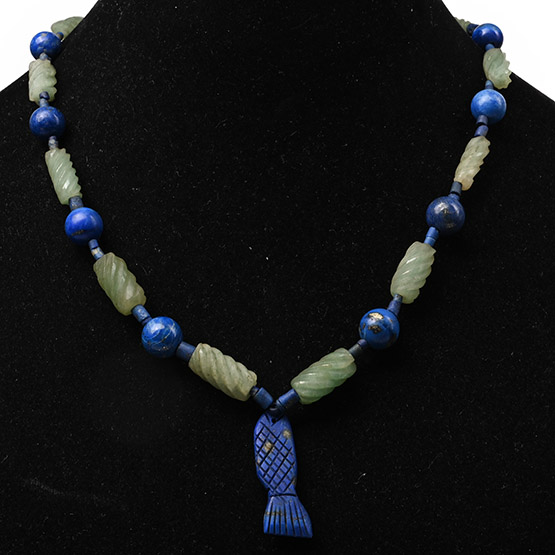
Western Asiatic Style Lapis Lazuli and Other Bead Necklace String
20th century A.D.Sold for (Inc. bp): £46
Composed of spherical beads interspersed with barley twist beads and a large fish-shaped bead at the centre; restrung. 52 grams, 44.5 cm
Ex London, UK, art market 1990s. -
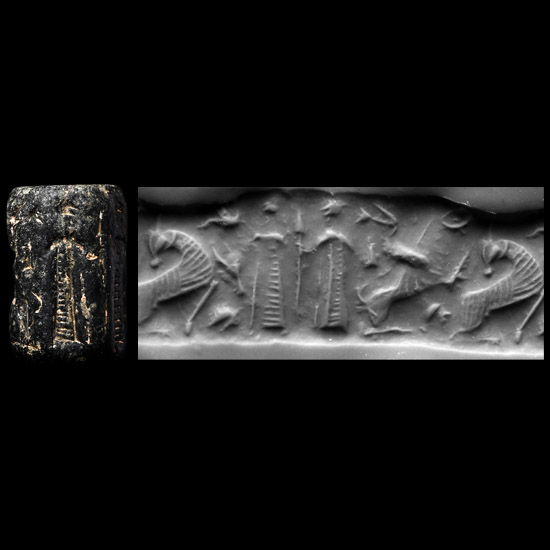
Western Asiatic Black Stone Cylinder Seal with Animals
2nd-1st millennium B.C.Sold for (Inc. bp): £169
Frieze depicting two robed figures each holding a spear, stag and other animals; supplied with a museum-quality impression. 5.22 grams, 18.63 mm
From the private collection of a European gentleman (1942-2024), formed since the 1970s.
