
Loading, please wait...
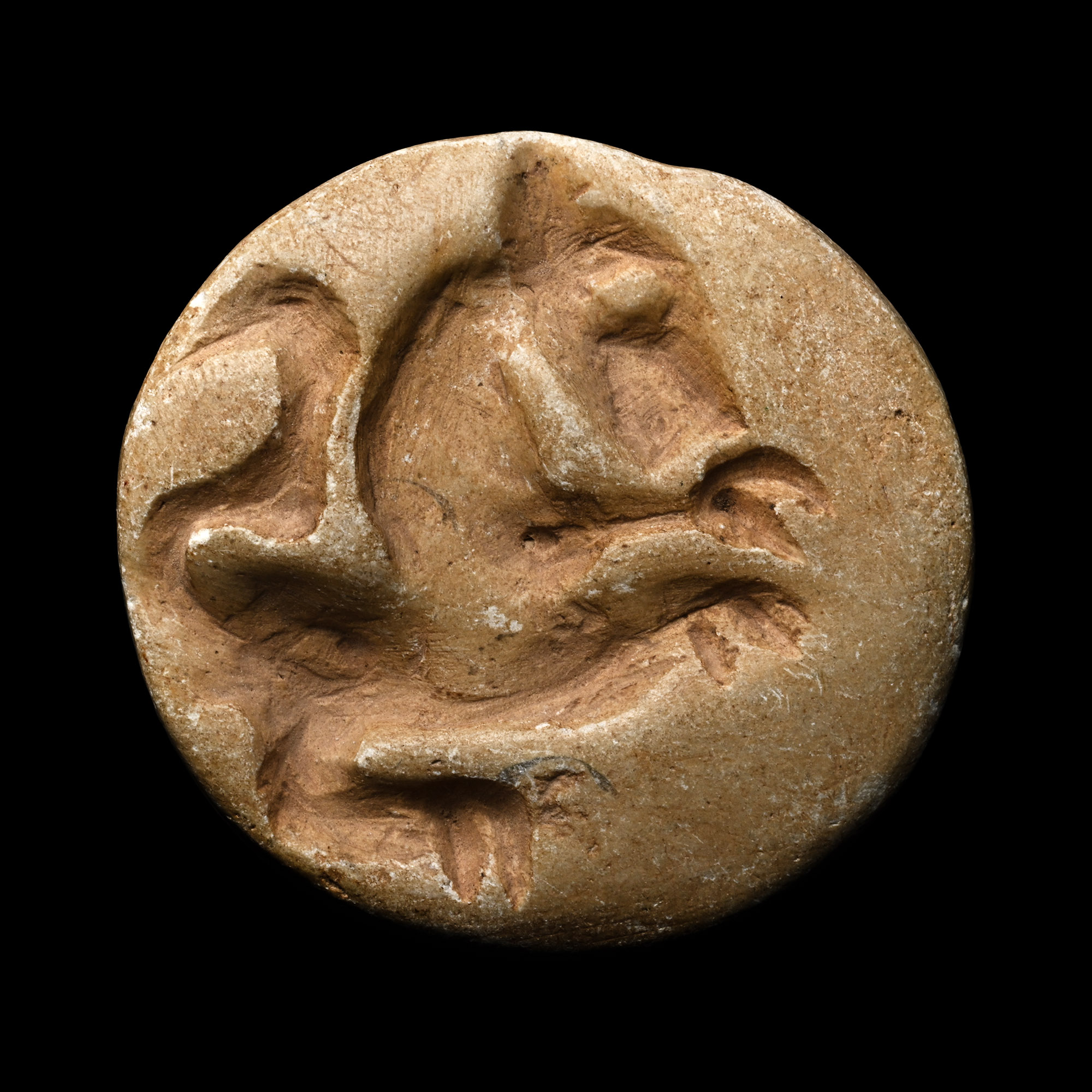
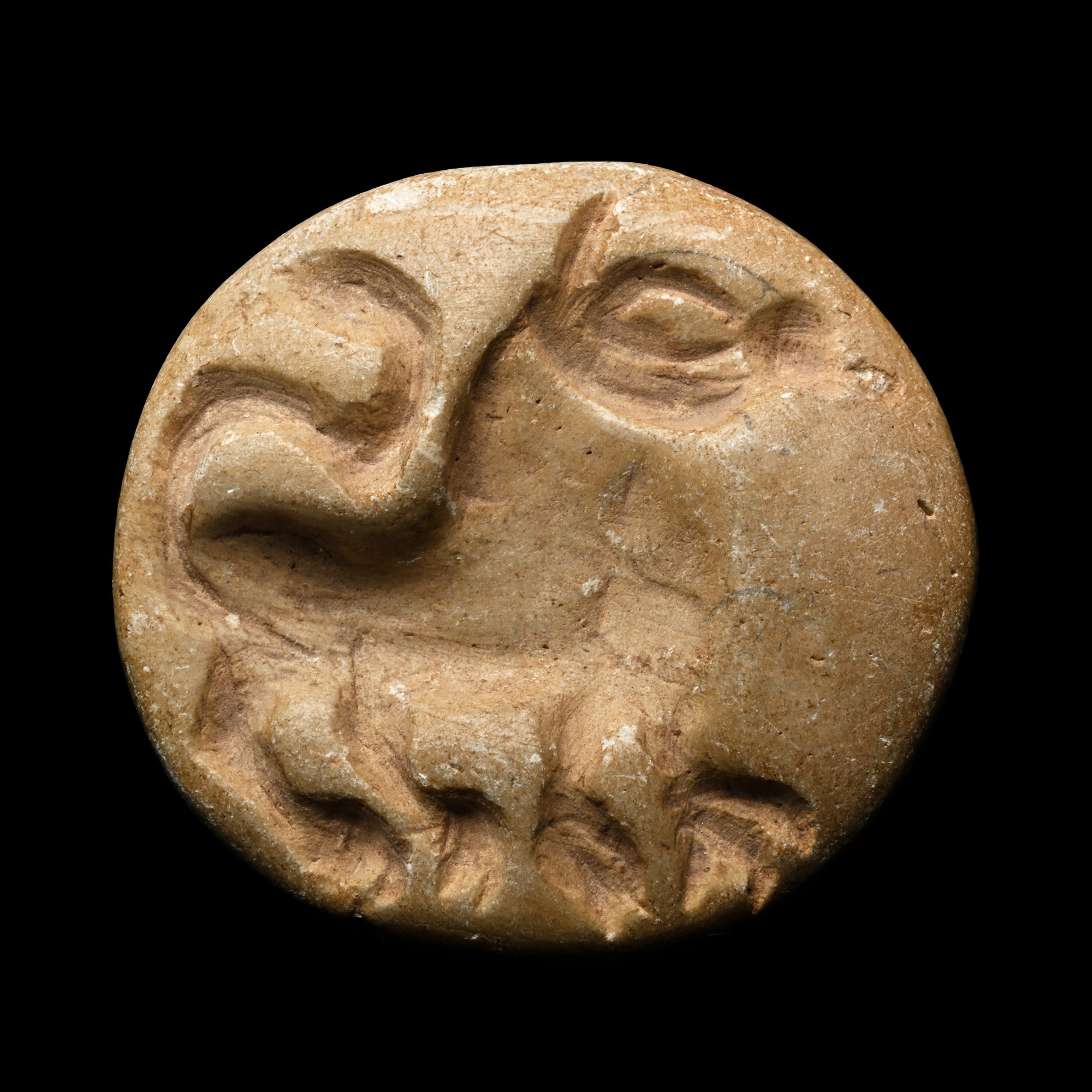
LOT 1668
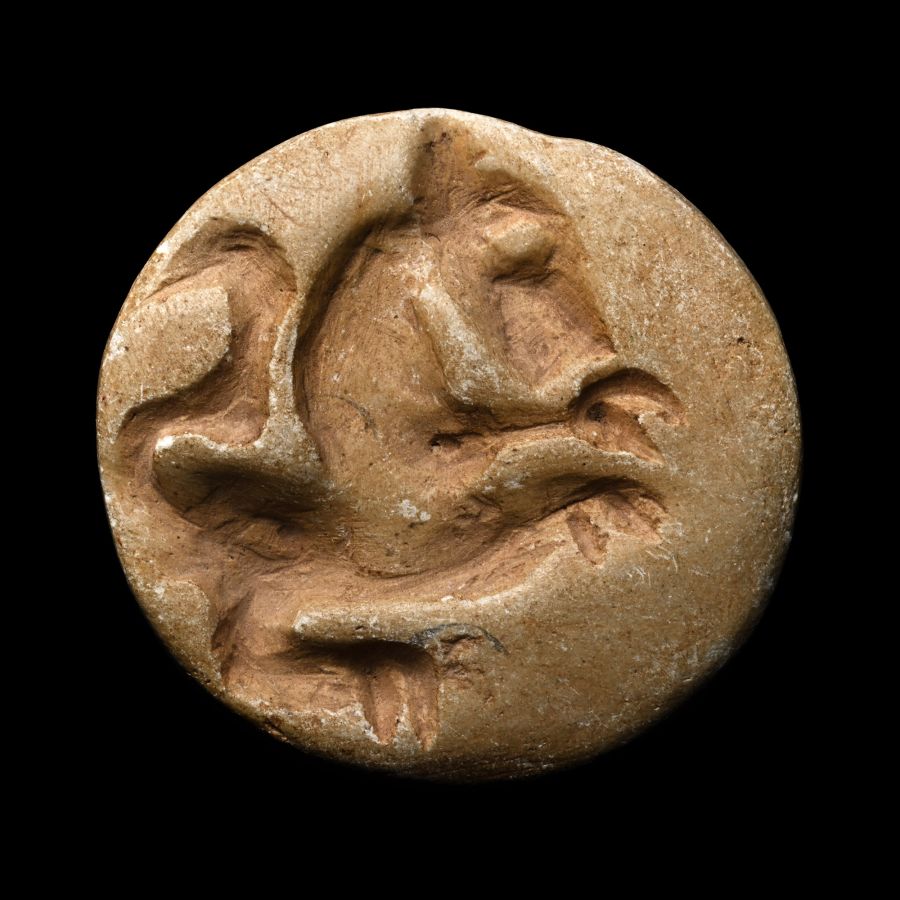
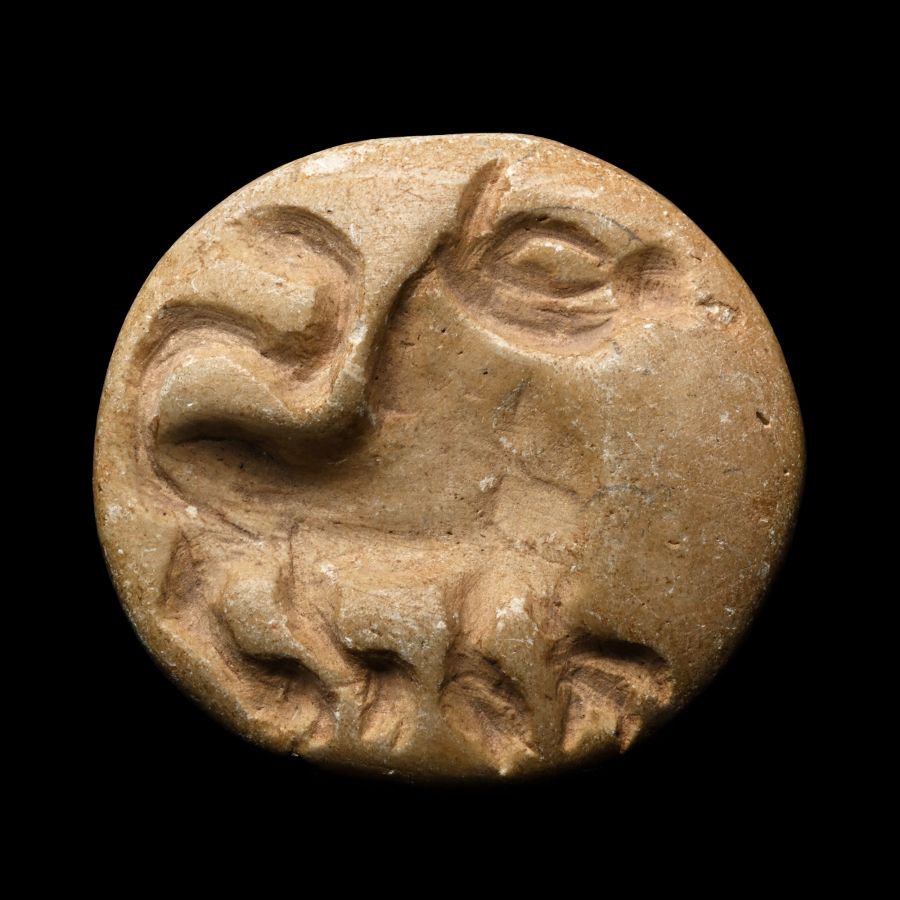
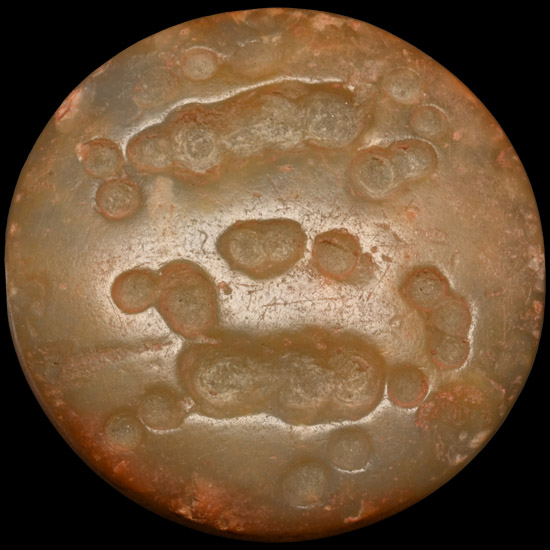
Western Asiatic Cream Hardstone Bifacial Seal Amulet with Zoomorphic Engraving
1ST MILLENNIUM B.C.
1 5/8 in. (35.88 grams, 43 mm).
Spool-shaped disc, one side with a standing lion, the other with a squirrel-like creature standing on its hind legs; pierced for suspension. [No Reserve]
ProvenanceFrom the private collection of Mr S.M., London collection, by descent, 1970-1999.
Property of a West Northamptonshire, UK, gentleman.
TimeLine Auctions follows a vetting process to ensure the authenticity and legality of all items, reinforcing our commitment to integrity and responsible trading. Each antiquity, antique, and coin lot undergoes thorough examination by a vetting committee of at least ten external specialists, professional trade association members, scientists, and archaeologists: Our Vetting Process
AUCTIONS:
TimeLine is a leading auction house specialising in antiquities, ancient art, collectables, natural history, coins, medals, and books. Our auctions offer museums, collectors, historians, and enthusiasts the opportunity to acquire unique and historically significant pieces.
LOT 1668
Western Asiatic Cream Hardstone Bifacial Seal Amulet with Zoomorphic Engraving
Sold for (Inc. bp): £46
-
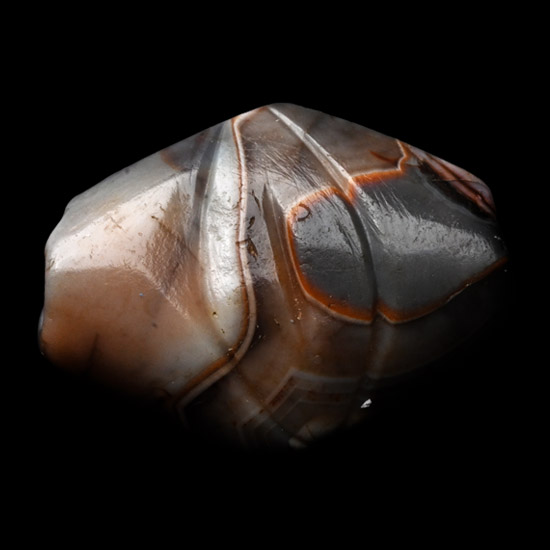
Western Asiatic Decorated Banded Agate Bead
1st millennium B.C.Sold for (Inc. bp): £13
Fusiform type with incised geometric motif. 1.98 grams, 18.99 mm
From the private collection of a European gentleman (1942-2024), formed since the 1970s. -
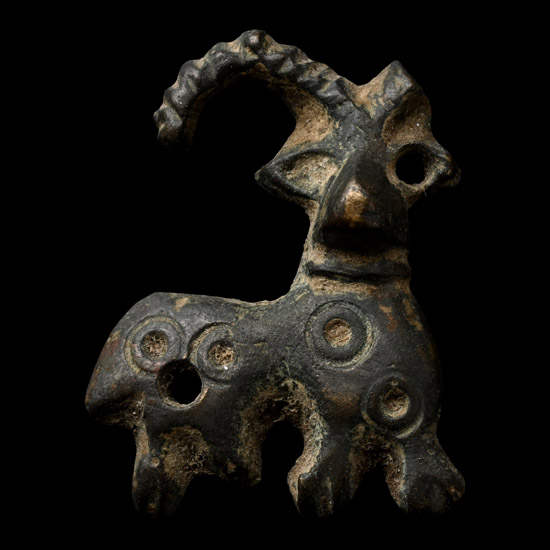
Luristan Bronze Ibex Mount
1st millennium B.C.Sold for (Inc. bp): £65
Reclining with its head turned to the side, long striated horns and ring-and-dot decoration on the body. 12.2 grams, 31 mm
From the private collection of a European gentleman (1942-2024), formed since the 1970s. -
Large Mesopotamian Jemdet Nasr Type Animal Agate Stamp Seal
31st-29th century B.C.Sold for (Inc. bp): £143
Plano-convex in section with drilled motif to underside of two running quadrupeds; supplied with a museum-quality impression. 36.97 grams, 38.05 mm
From the private collection of the late Mr W. Magee, Hartlepool, County Durham, UK, 1960s-1990s, thence by descent. Accompanied by a previous cataloguing information card.
