
Loading, please wait...
LOT 1298
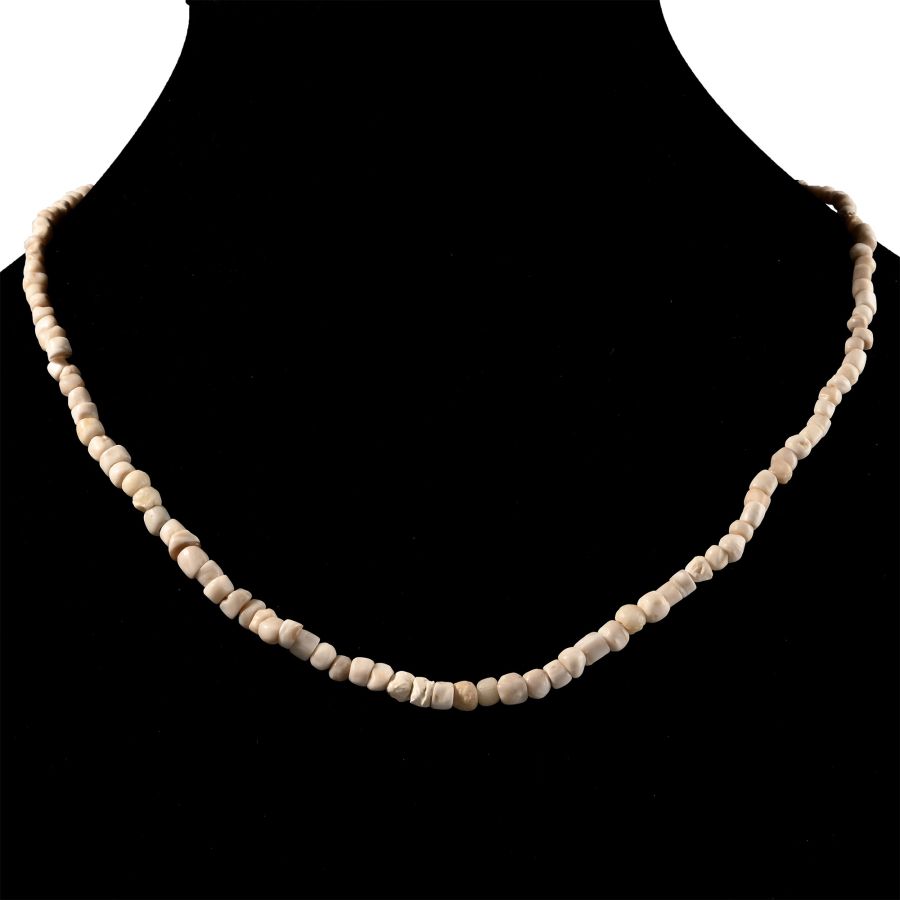
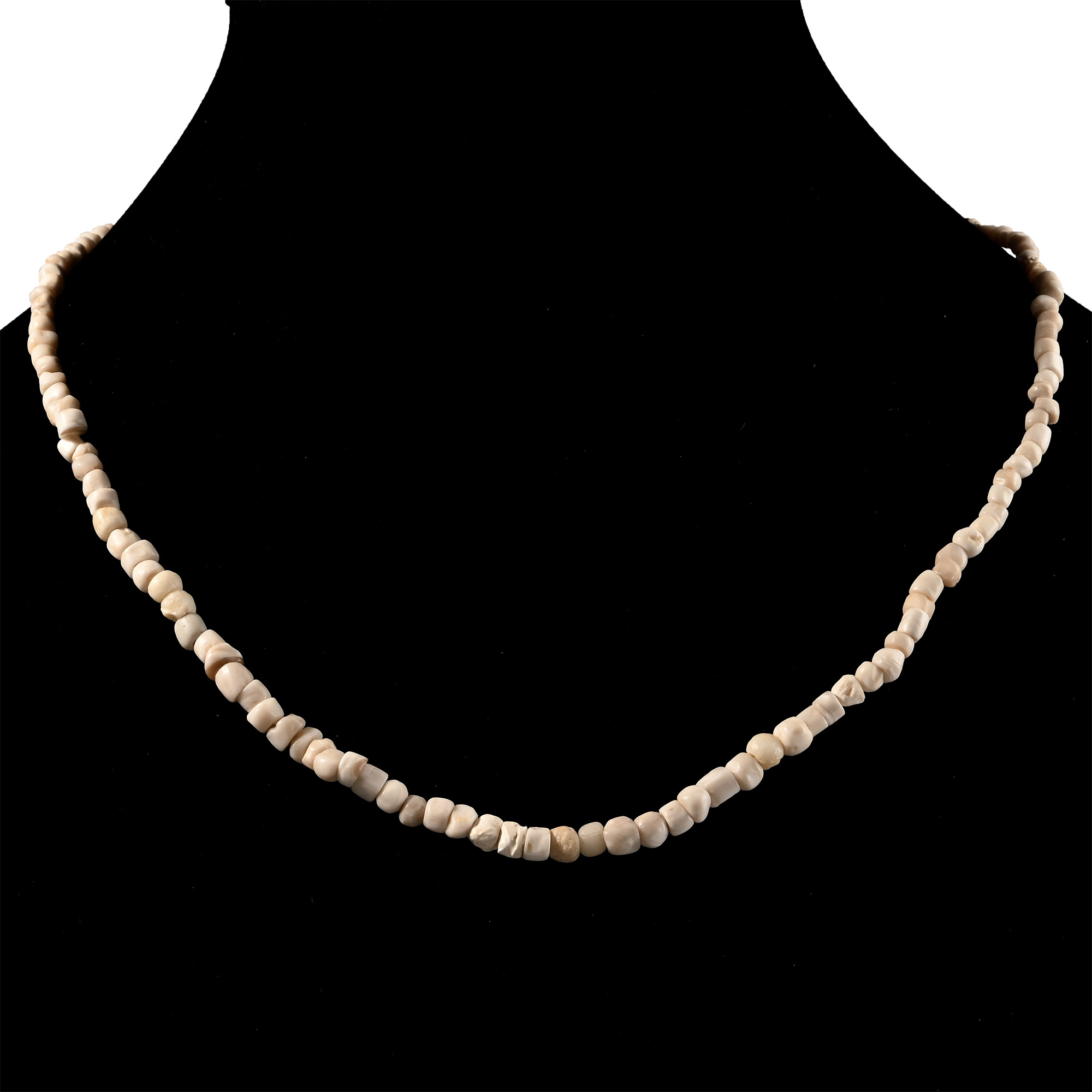
Western Asiatic Cream Glass and Other Bead Necklace String
1ST MILLENNIUM B.C. AND LATER
16 in. (14.2 grams, 40.5 cm).
Composed mainly of oblate beads, restrung. [No Reserve]
ProvenanceAcquired in the 1990s.
Ex London, UK, collection.
TimeLine Auctions follows a vetting process to ensure the authenticity and legality of all items, reinforcing our commitment to integrity and responsible trading. Each antiquity, antique, and coin lot undergoes thorough examination by a vetting committee of at least ten external specialists, professional trade association members, scientists, and archaeologists: Our Vetting Process
AUCTIONS:
TimeLine is a leading auction house specialising in antiquities, ancient art, collectables, natural history, coins, medals, and books. Our auctions offer museums, collectors, historians, and enthusiasts the opportunity to acquire unique and historically significant pieces.
LOT 1298
Western Asiatic Cream Glass and Other Bead Necklace String
Sold for (Inc. bp): £26
-
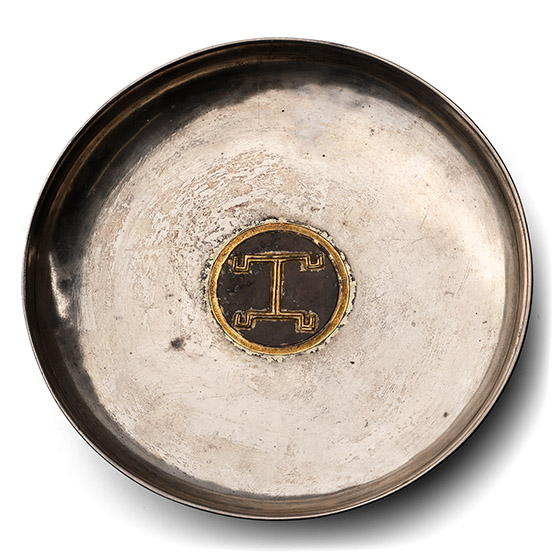
Post Sasanian Silver Footed Dish with 'Tamga'
Circa 8th-10th century A.D. or laterEstimate: £1,500 - 2,000 (+bp*)
Opening Bid: £800
Discoid footed dish with raised rim, central tondo with parcel-gilt ring and 'tamga' motif. 466 grams, 22 cm
Private collection, UK. Accompanied by an academic report by Dr Raffaele D’Amato. This lot has been checked against the Interpol Database of stolen works of art and is accompanied by search certificate number no.13029-247330.
During the Sasanian Empire, the North Iranian ‘tamgas’ became ‘Neshan’ or seals and heraldic symbols of nobility and military personnel, worn on their dress, horses, standards and personal belongings like this vessel. This characteristic continued during the early Muslim domination. Among the Neshan published by Christensen, one particular ‘tamga’, related to an unknown Sasanian clan, recalls exactly half of the one impressed on the present example (Farrokh, 2005, p.23 no.5). -
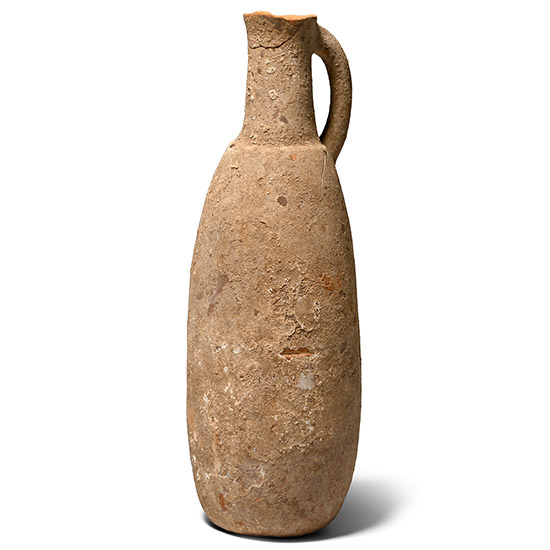
Western Asiatic Pottery Vessel
1st millennium B.C.Sold for (Inc. bp): £117
Slender cylindrical body with tubular neck and a strap handle to the rear. 200 grams, 18.7 cm
From an important specialist collection, London, UK, 1990s. -
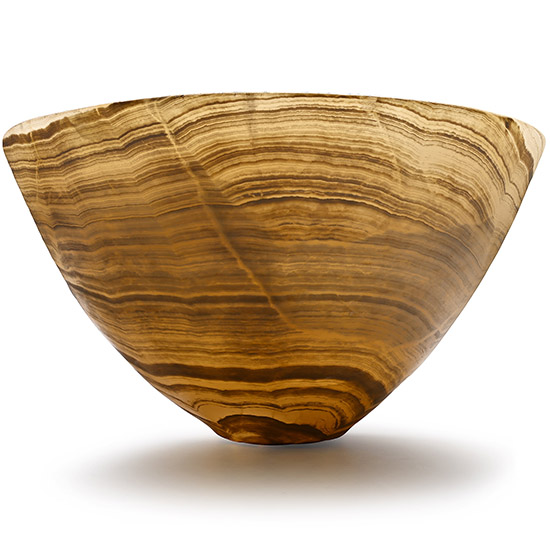
Mesopotamian Alabaster Bowl
2nd-1st millennium B.C.Sold for (Inc. bp): £1,170
Conical with a narrow, slightly rounded base; repaired. 1.66 kg, 22 cm diameter
Acquired in the early 2000s. Private collection, UK. This lot has been checked against the Interpol Database of stolen works of art and is accompanied by a search certificate number no.12705-235147.
