
Loading, please wait...
LOT 1631
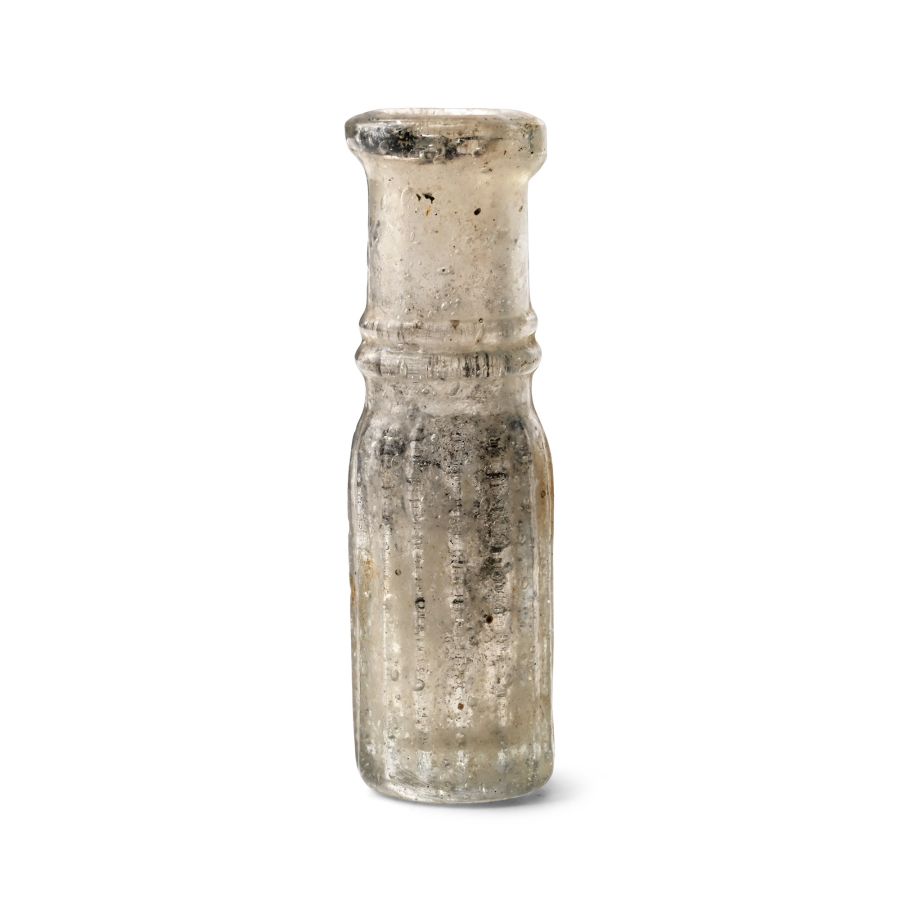
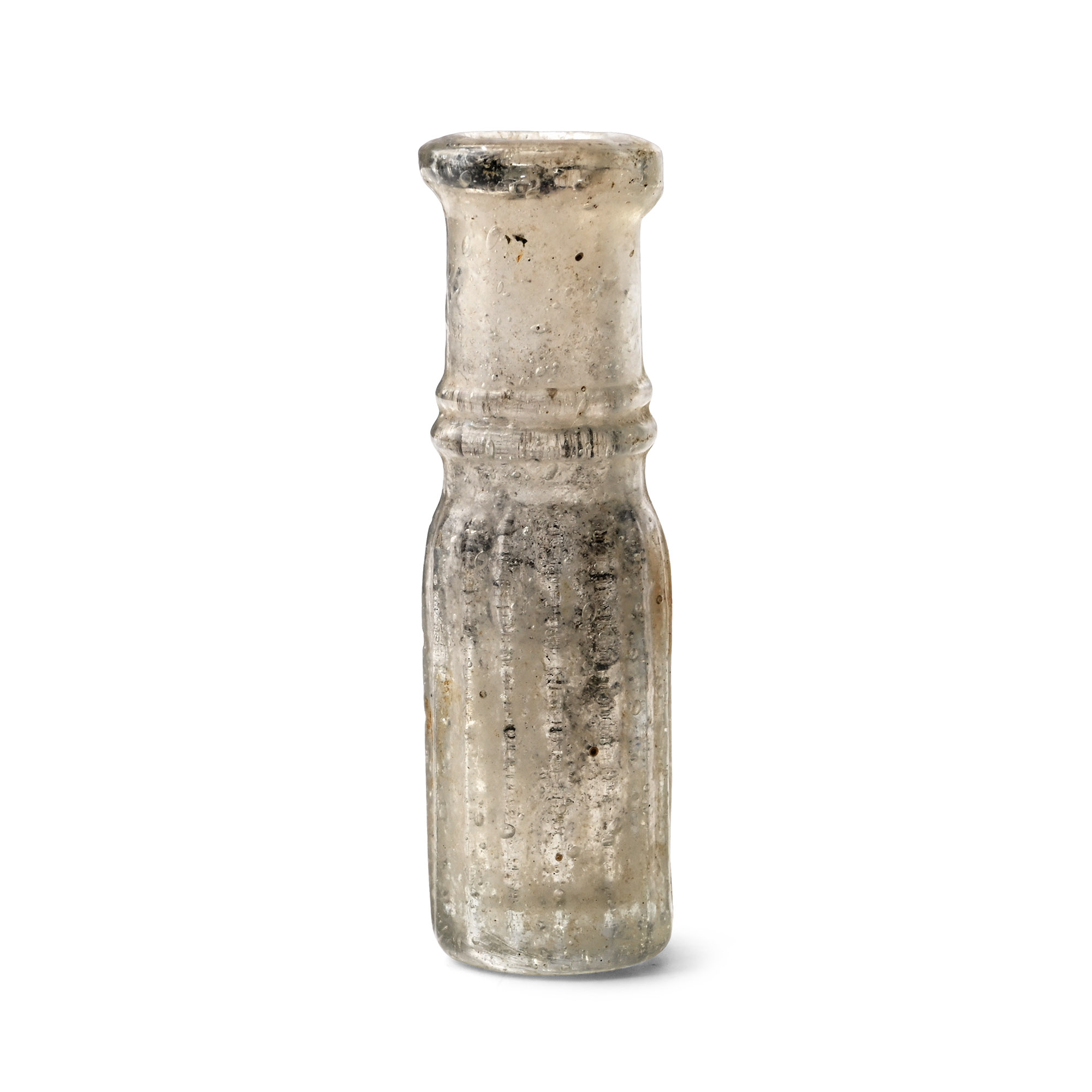
Western Asiatic Cosmetic Glass Vessel
8TH-12TH CENTURY A.D.
2 in. (9.29 grams, 49 mm).
Ribbed round-section body with tubular neck and everted rim. [No Reserve]
ProvenanceFrom a London, UK, collection of glass, 1970-2000s.
CONDITIONTimeLine Auctions follows a vetting process to ensure the authenticity and legality of all items, reinforcing our commitment to integrity and responsible trading. Each antiquity, antique, and coin lot undergoes thorough examination by a vetting committee of at least ten external specialists, professional trade association members, scientists, and archaeologists: Our Vetting Process
AUCTIONS:
TimeLine is a leading auction house specialising in antiquities, ancient art, collectables, natural history, coins, medals, and books. Our auctions offer museums, collectors, historians, and enthusiasts the opportunity to acquire unique and historically significant pieces.
-
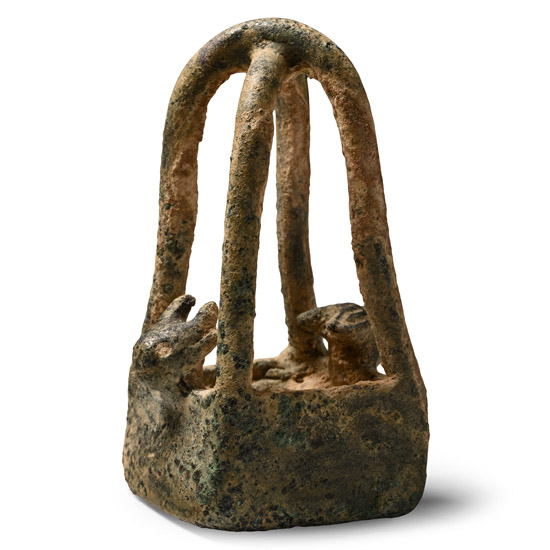
Western Asiatic Bronze Cage Weight
2nd-1st millennium B.C.Estimate: £500 - 700 (+bp*)
Opening Bid: £270
Comprising a rectangular basket with two overlapping U-shaped handles, two bull heads resting on the edge of the basket. 198 grams, 74 mm
From the collection of a gentleman, acquired on the London art market in the 1990s. -
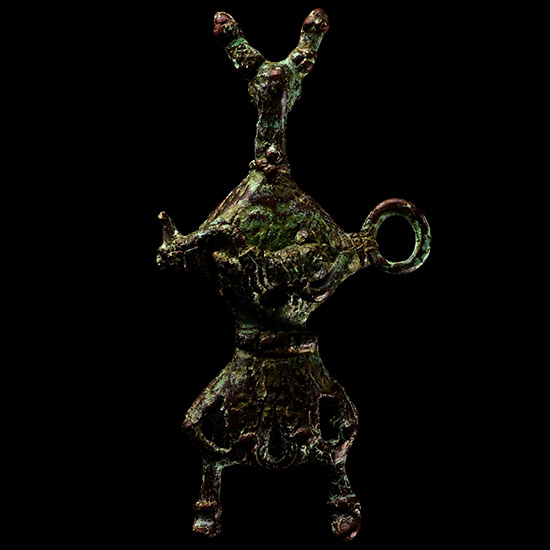
Large Marlik Bronze Maternity Figure with Child
9th-8th century B.C.Estimate: £400 - 600 (‡+bp*)
Opening Bid: £222
Formed as a standing figure cradling an infant; stylised facial and anatomical detailing; openwork cage structure and remains of suspension loop to reverse; accompanied by a custom-made display stand. 47 grams, 99 mm (90 grams total, 13 cm including stand)
with Dr Amnon Rosenfeld, Jerusalem, Israel. European private collection, acquired in 2015. -
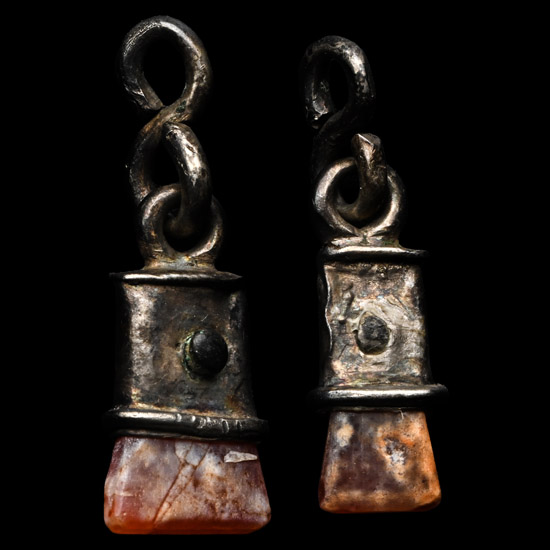
Western Asiatic Silver Amuletic Pendant Pair
1st millennium A.D.Sold for (Inc. bp): £72
Comprising two matched pendants, each a silver sleeve with applied collars and a transverse stud, inset polished carnelian bead, S-loop above. 3.58 grams total, 27-28 mm
Acquired on the UK art market. Early 1990s London, UK, collection. From a private collection, Lancashire, UK. Property of a West Northamptonshire, UK, gentleman.
