
Loading, please wait...
LOT 1327
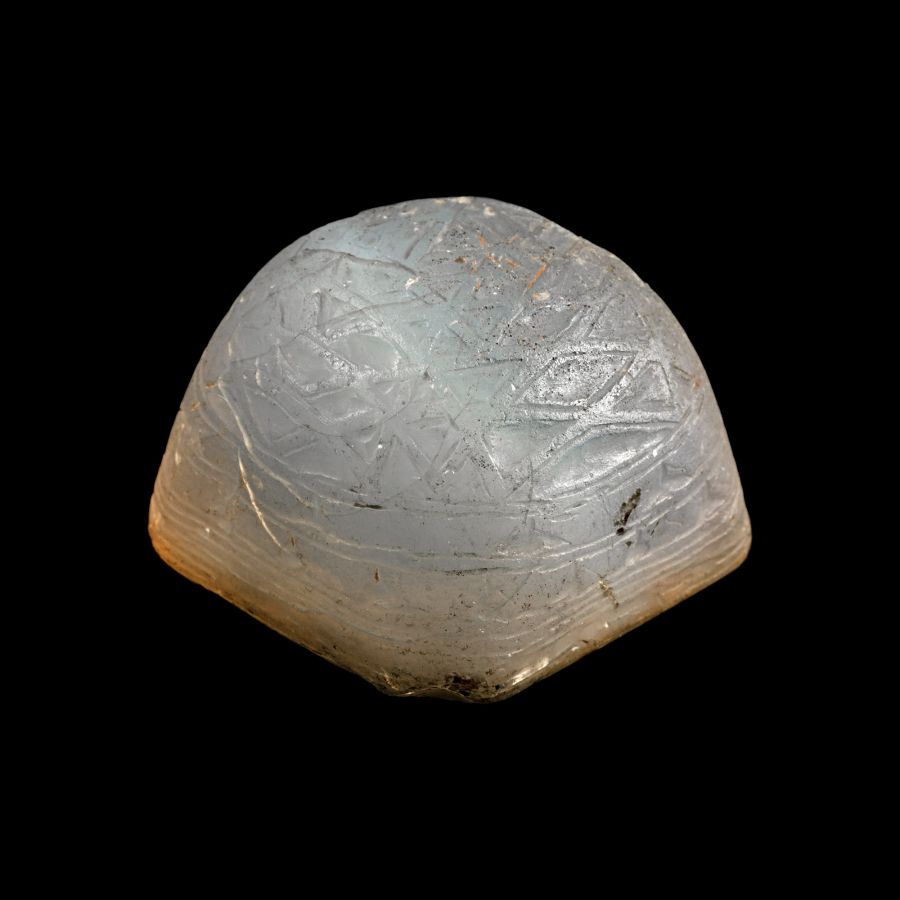
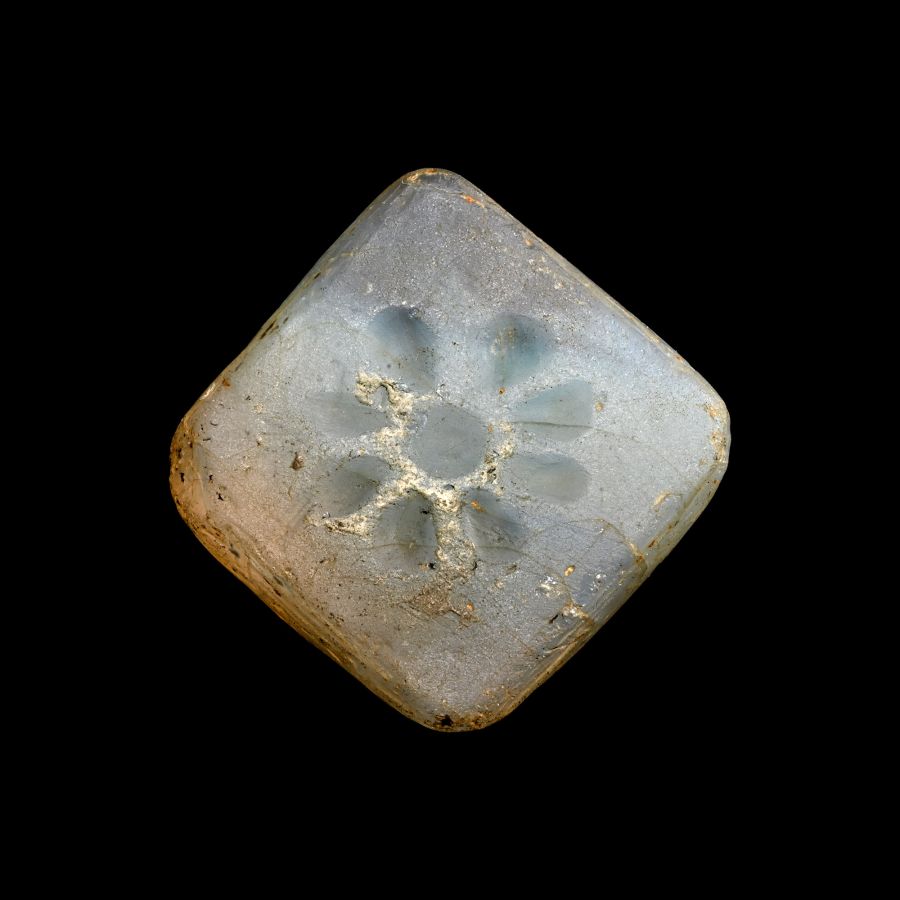
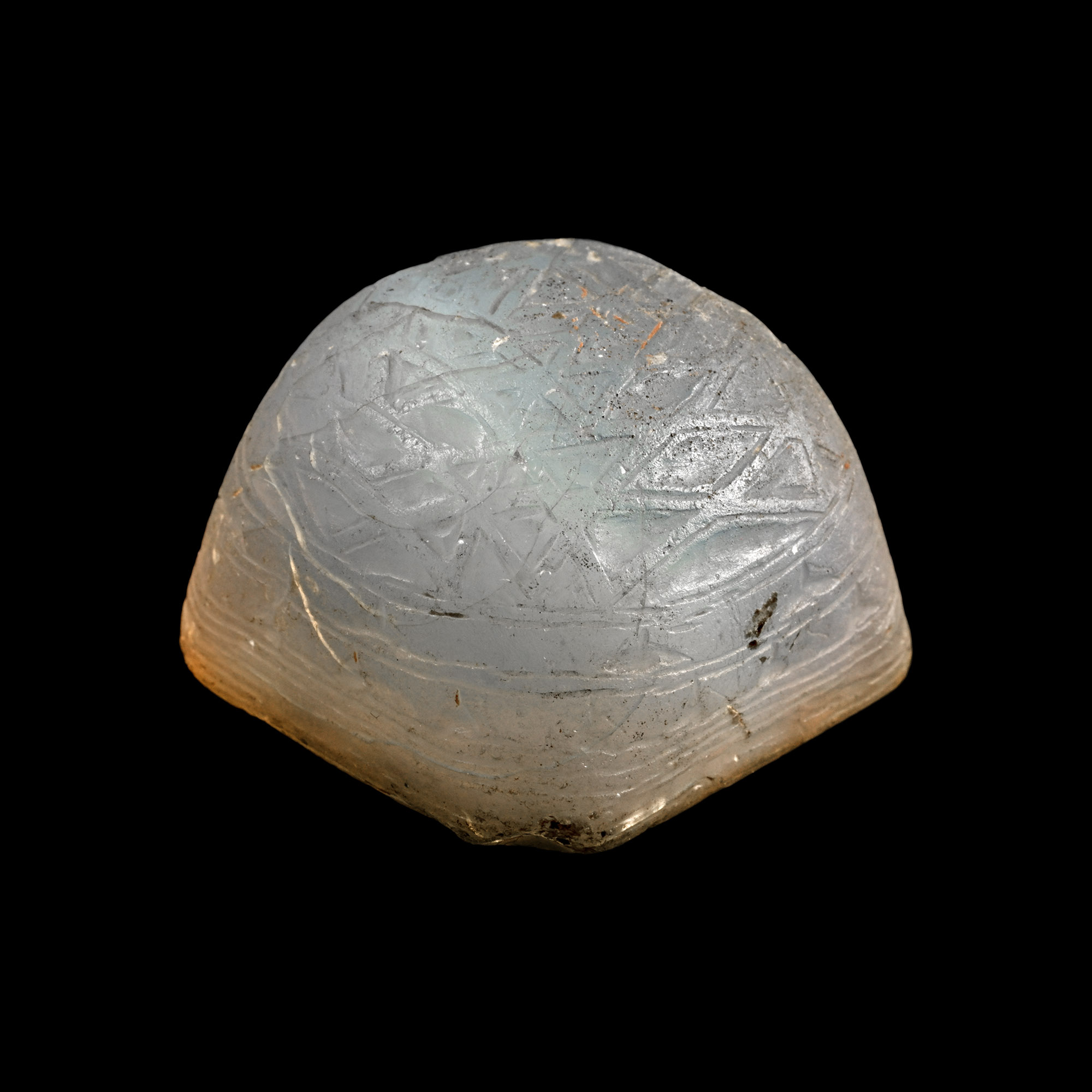
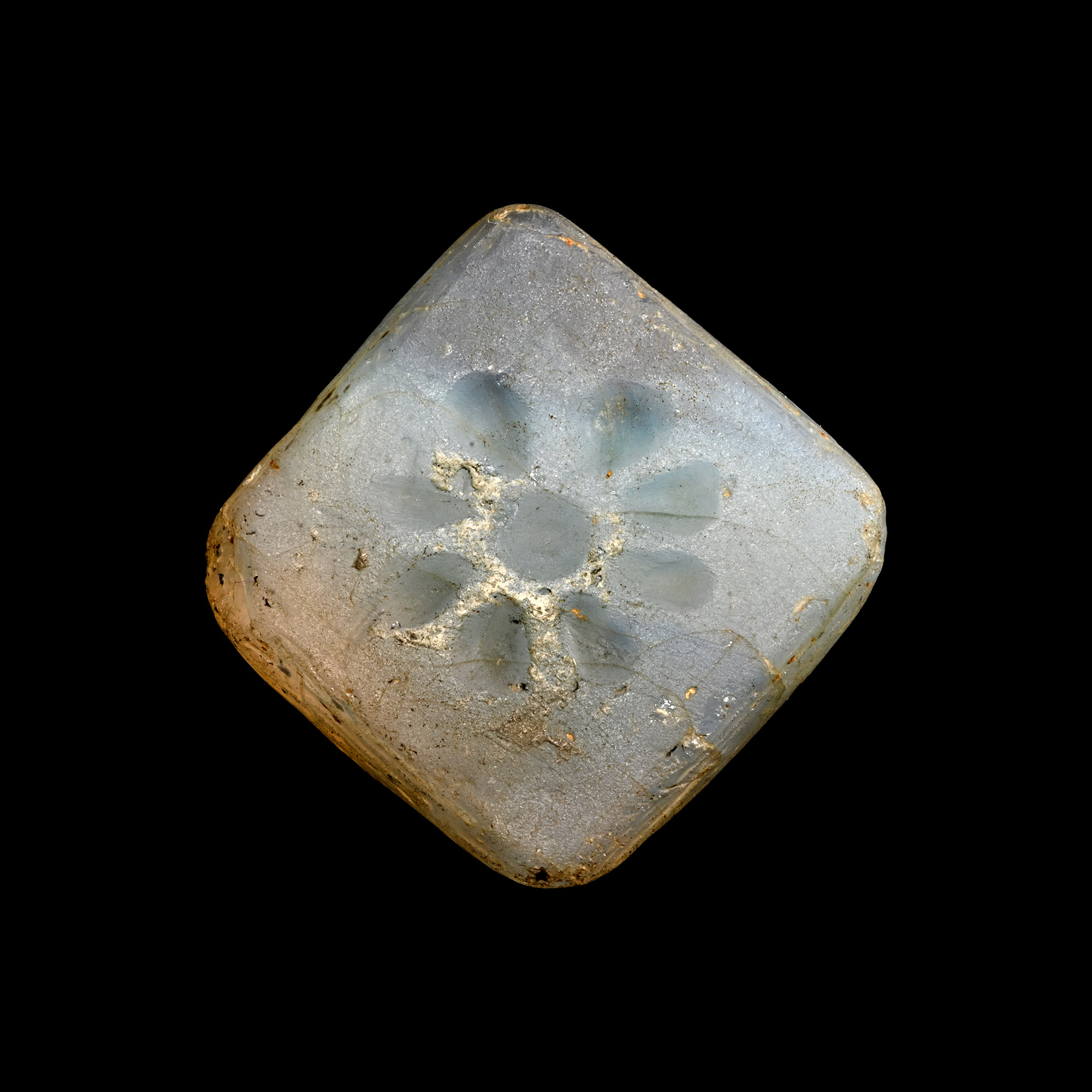
Western Asiatic Chalcedony Gaming Piece
3RD-5TH CENTURY A.D.
1 1/4 in. (39.7 grams, 31 mm).
Square in plan and plano-convex in section with tessellated triangles on the dome, horizontal grooves at the sides, incuse octofoil to the underside.
ProvenanceEx Mayfair, London, UK, collection, 1980s.
CONDITIONTimeLine Auctions follows a vetting process to ensure the authenticity and legality of all items, reinforcing our commitment to integrity and responsible trading. Each antiquity, antique, and coin lot undergoes thorough examination by a vetting committee of at least ten external specialists, professional trade association members, scientists, and archaeologists: Our Vetting Process
AUCTIONS:
TimeLine is a leading auction house specialising in antiquities, ancient art, collectables, natural history, coins, medals, and books. Our auctions offer museums, collectors, historians, and enthusiasts the opportunity to acquire unique and historically significant pieces.
LOT 1327
Western Asiatic Chalcedony Gaming Piece
Estimate £400 - 600€460 - 700 (for guidance only)$540 - 810 (for guidance only)
-
.jpg)
Sumerian Ceramic Administrative Cuneiform Tablet
Akkadian, circa 2300-2200 B.C.Sold for (Inc. bp): £624
Square in plan, accompanied by a copy of an old scholarly note, typed by W.G. Lambert, late Professor of Assyriology, University of Birmingham, 1970-1993, which states: 'Clay tablet, 34 x 32 mm., with a total of 8 lines of Sumerian cuneiform on obverse and reverse. Some surface corrosion but much of the script clear. An administrative document with many figures, from Sumer from the Akkadian period, c. 2300-2200 B.C.' 22.22 grams, 35 mm
London, UK, art market, 1980s. Private collection, London, UK. Accompanied by a scholarly note (11.), typed and unsigned by Professor Wilfrid George Lambert, with a copy of the note with notes to verso, including 'offered to JPR (J.P. Rosen) at $190 '(19)86. -
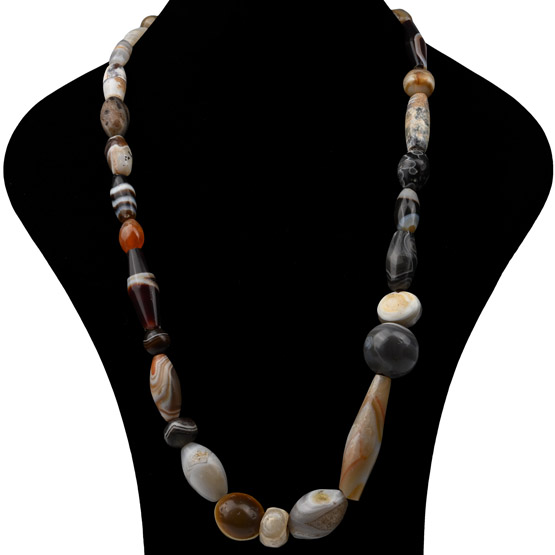
Large Bactrian Mixed Agate Bead Necklace String
Circa 1st millennium B.C.-early 1st millennium A.D. and laterSold for (Inc. bp): £1,300
Restrung group of round, oval, biconical and other beads. 225 grams total, 67 cm long
Acquired on the UK art market. Private collection, England. -
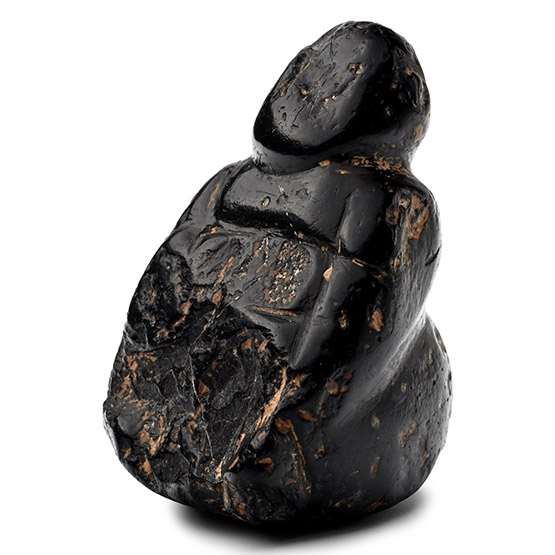
Anatolian Obsidian Idol
5th-4th millennium B.C.Estimate: £1,000 - 1,400 (‡+bp*)
Opening Bid: £500
Squat and rounded in profile with hands resting on the knees. 48.4 grams, 46 mm
Private collection, Austria. Private collection, Europe.
